Sweet and Sour Chicken Recipe
A good Sweet and Sour Chicken Recipe should give you the best of both worlds. The chicken needs to be crisp on the outside and tender inside, while the sauce should be glossy, balanced, and full of bright flavor.
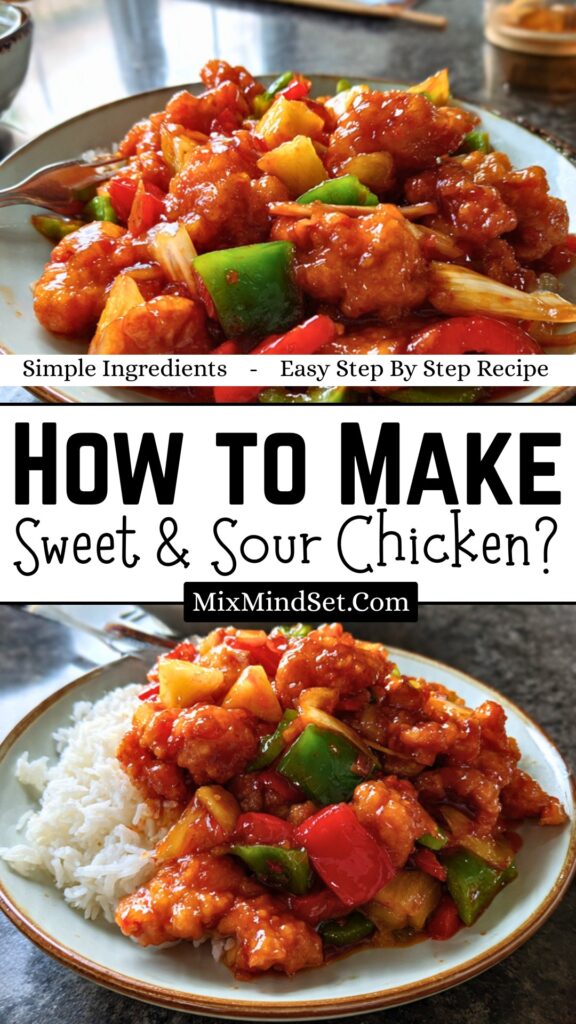
It should taste sweet, tangy, savory, and fresh all at once. When made well, this dish feels like proper takeout-style comfort food, but even better because you control the ingredients, the texture, and the flavor.
One of the reasons this recipe is so popular is that it is familiar and easy to enjoy. It works for weeknight dinners, casual family meals, or even meal prep if you keep the sauce and chicken handled the right way.
The ingredients are simple, the steps are manageable, and the final result feels colorful and satisfying. You get juicy chicken, crisp peppers, onion, and pineapple coated in a sauce that is full of personality without being difficult to make.
In this guide, I will walk you through a practical homemade version that is clear, dependable, and easy to repeat.
I will also cover the little details that help the dish turn out better, such as how to keep the coating crisp, how to avoid a watery sauce, and how to get that classic sweet and sour flavor without making it too sugary.
If you want a homemade meal that feels lively, flavorful, and comforting, this recipe is a very good one to keep close.
Why This Recipe Works?
This recipe works because each part has a clear purpose.
- Chicken thigh or breast gives a tender base
- Cornstarch coating helps create a light crisp finish
- Bell peppers and onion add color and texture
- Pineapple brings sweetness and acidity
- The sauce balances sugar, vinegar, ketchup, and soy sauce
The result is a dish that feels complete rather than one-note. It is sweet, sour, savory, and lightly fruity, with enough texture contrast to stay interesting.
Sweet and Sour Chicken Recipe
| Detail | Time |
|---|---|
| Prep time | 20 minutes |
| Cook time | 20 minutes |
| Total time | About 40 minutes |
| Servings | 4 to 5 |
| Difficulty | Easy to moderate |
Ingredients
Here is a practical ingredient table for this Sweet and Sour Chicken Recipe.
| Ingredient | Amount | Notes |
|---|---|---|
| Boneless chicken thighs or breasts | 1 1/2 pounds | Cut into bite-sized pieces |
| Salt | 1/2 teaspoon | For seasoning chicken |
| Black pepper | 1/4 teaspoon | Adjust to taste |
| Garlic powder | 1/2 teaspoon | Optional but helpful |
| Eggs | 2 | For coating |
| Cornstarch | 3/4 cup | Helps create crisp texture |
| All-purpose flour | 1/4 cup | Optional, for extra coating support |
| Neutral oil | As needed | For frying or shallow frying |
| Red bell pepper | 1 | Cut into chunks |
| Green bell pepper | 1 | Cut into chunks |
| Onion | 1 medium | Cut into chunks |
| Pineapple chunks | 1 cup | Fresh or canned |
| Green onion | 2 tablespoons | Optional garnish |
| Sesame seeds | 1 teaspoon | Optional garnish |
Sauce Ingredients Table
| Ingredient | Amount | Purpose |
|---|---|---|
| Ketchup | 1/2 cup | Classic sweet and sour base |
| Rice vinegar | 1/3 cup | Main sour note |
| Brown sugar | 1/3 cup | Adds sweetness and depth |
| Soy sauce | 2 tablespoons | Balances the sauce |
| Pineapple juice | 1/4 cup | Adds fruity flavor |
| Garlic | 2 cloves, minced | Adds savory aroma |
| Cornstarch | 1 tablespoon | Thickens the sauce |
| Water | 2 tablespoons | Mixed with cornstarch |
Ingredient Notes:
Best chicken to use
Chicken thighs stay juicier and are more forgiving, especially if you fry the chicken. Chicken breast also works well if you want a leaner result, but be careful not to overcook it.
Pineapple choice
Fresh pineapple gives a brighter taste, while canned pineapple is more convenient and often slightly sweeter. Both work.
Vinegar choice
Rice vinegar is ideal because it is clean and mild. White vinegar can work, but it tastes sharper, so use a little less if needed.
Sweet and Sour Chicken: Step-by-Step Step Instructions
1) Prepare the Chicken
Start by placing the chicken pieces in a bowl. Season with salt, pepper, and garlic powder. Add the eggs and mix well so the chicken is evenly coated.
In a separate shallow bowl, combine the cornstarch and flour. Dredge each piece of chicken in the mixture until lightly coated on all sides.
Let the coated chicken sit for a few minutes while you prepare the vegetables and sauce. This helps the coating cling better.
2) Make the Sauce
In a bowl, whisk together:
- Ketchup
- Rice vinegar
- Brown sugar
- Soy sauce
- Pineapple juice
- Minced garlic
In a small separate bowl, mix the cornstarch and water to make a slurry. Set it aside for later.
3) Cook the Chicken
Heat oil in a deep pan or heavy skillet over medium-high heat. Once the oil is hot, fry the chicken in batches so the pan does not get crowded.
Cook each batch for about 4 to 6 minutes, turning as needed, until golden and cooked through. Transfer the cooked chicken to a plate lined with paper towels or a wire rack.
For extra crispiness, you can fry the chicken a second time for about 1 more minute after the first fry.
4) Stir-Fry the Vegetables
Remove most of the oil from the pan, leaving about 1 tablespoon. Add the onion and bell peppers. Stir-fry for 2 to 3 minutes so they soften slightly but still keep some bite.
Add the pineapple chunks and cook for another 1 minute.
5) Finish the Sauce
Pour the prepared sauce mixture into the pan with the vegetables and pineapple. Bring it to a gentle simmer. Stir the cornstarch slurry again, then pour it in slowly while stirring.
Cook for 1 to 2 minutes until the sauce thickens and turns glossy.
6) Combine Everything
Add the fried chicken back into the pan and toss quickly until evenly coated in the sauce. Do not cook too long once the chicken is in the sauce or the coating may soften too much.
Garnish with green onion or sesame seeds if using, then serve right away.
Video Guide 📺
Serving Suggestions
This dish goes well with simple sides that let the sauce stand out.
| Side Dish | Why It Works |
|---|---|
| Steamed white rice | Classic and absorbs the sauce well |
| Fried rice | More filling and flavorful |
| Noodles | Soft texture pairs nicely with the crisp chicken |
| Stir-fried vegetables | Adds more color and freshness |
| Jasmine rice | Light fragrance works very well |
Practical Tips for the Best Result
A homemade Sweet and Sour Chicken Recipe is not difficult, but a few choices matter a lot.
- Cut the chicken evenly so it cooks at the same speed
- Do not overcrowd the pan while frying
- Keep the vegetables slightly crisp for better texture
- Use the slurry at the end so the sauce thickens properly
- Toss the chicken quickly in the sauce and serve fast
- Taste the sauce before thickening if you want to adjust sweetness or tang
For a lighter version: You can bake or air fry the chicken instead of deep frying. The texture will be a little different, but it still works well.
For a stronger tangy flavor: Add a little more rice vinegar, about 1 to 2 teaspoons at a time, until it tastes balanced for you.
Common Mistakes to Avoid:
This section is where many good recipes become much more dependable.
Using oil that is not hot enough
If the oil is too cool, the coating absorbs oil and turns heavy instead of crisp. The chicken should sizzle as soon as it goes in.
Crowding the pan
Too much chicken in one batch lowers the oil temperature and causes uneven cooking. Fry in batches for better color and texture.
Overcooking the chicken
Chicken breast especially can dry out if left too long in the oil. Remove it as soon as it is cooked through and golden.
Making the sauce too thick
A thick glossy sauce is good, but too much cornstarch can make it sticky and heavy. Add the slurry gradually.
Cooking the vegetables too long
Bell peppers and onions should still have a little bite. If they become too soft, the whole dish loses freshness.
Letting the chicken sit in the sauce too long
The crisp coating softens quickly once coated. Toss and serve soon after combining.
Storage and Reheating
- Refrigeration: Store leftovers in an airtight container in the fridge for up to 3 days.
- Reheating: Reheat gently in a skillet over medium-low heat or in the microwave. Add a small splash of water if the sauce thickens too much in the fridge.
- Best texture tip: If possible, store the fried chicken and sauce separately. This helps preserve the texture much better.
Nutritional Facts
These values are approximate and depend on the exact ingredients, frying method, and serving size.
| Nutrient | Approximate Amount per Serving |
|---|---|
| Calories | 420 to 520 |
| Protein | 25 g |
| Fat | 18 g |
| Saturated Fat | 3 to 5 g |
| Carbohydrates | 38 to 48 g |
| Sugar | 18 to 24 g |
| Fiber | 2 g |
| Sodium | 700 to 950 mg |
| Cholesterol | 95 mg |
Frequently Asked Questions
Can I use chicken breast instead of thighs?
Yes. Chicken breast works well in this recipe. Just be careful not to overcook it, because it can dry out faster than thighs.
Can I make Sweet and Sour Chicken without pineapple?
Yes. Pineapple adds a classic fruity note, but you can leave it out if you prefer. The sauce will still work well.
Can I bake the chicken instead of frying it?
Yes. Coat the chicken, place it on a lined tray, lightly spray with oil, and bake until cooked through and golden. It will be less crisp than fried chicken but still tasty.
What makes sweet and sour sauce taste balanced?
A good balance comes from sweetness, acidity, and a little saltiness. Sugar, vinegar, ketchup, and soy sauce each play a role.
How do I keep the chicken crispy longer?
Fry in batches, place cooked pieces on a rack instead of stacking them, and only toss in the sauce right before serving.
Can I add other vegetables?
Yes. Carrot, snap peas, or cucumber-style stir-fry vegetables can work, but keep the mix simple so the sauce remains the main flavor.
Final Thoughts
This Sweet and Sour Chicken Recipe is a strong homemade option when you want something colorful, flavorful, and satisfying without making the process harder than it needs to be.
It has the familiar comfort of takeout-style food, but it tastes fresher and gives you much more control over the final result. You can keep the vegetables crisp, adjust the sweetness, and decide exactly how saucy you want the dish to be.
What makes this recipe especially useful is that it is easy to understand once you break it into parts. The chicken gets coated and cooked until crisp, the sauce comes together with a simple balance of pantry ingredients, and the vegetables bring color and contrast. Nothing here is overly complicated, but the dish still feels lively and complete when it reaches the table.
It is also flexible enough to fit different needs. You can fry the chicken for a more classic finish, bake it for a lighter version, or serve it with rice, noodles, or extra vegetables depending on the meal you want.
With a few careful steps and attention to texture, this recipe gives you a dependable result that is worth making again.