Shrimp Linguine Recipe
There is a reason shrimp linguine is a staple on Italian restaurant menus. When done right, it is elegant enough for a date night yet simple enough for a busy weeknight.
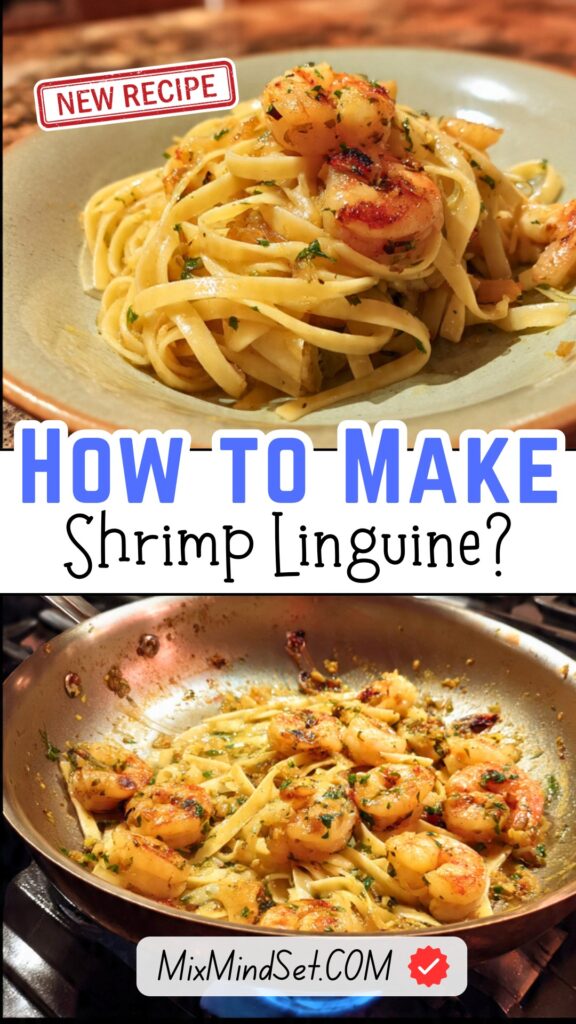
The combination of succulent shrimp, al dente pasta, and a silky garlic-lemon sauce feels luxurious, but the entire dish comes together in about the same time it takes to boil water.
The challenge? Shrimp overcooks in seconds, and pasta can easily become gluey if not handled properly. This recipe solves both problems with a few restaurant techniques—like using pasta water to emulsify the sauce and cooking shrimp just until they curl—so you can serve a dish that tastes like it came from a coastal trattoria.
Whether you prefer a light olive oil base or a touch of cream, this guide gives you the foundational recipe plus variations to make it your own.
How to Make Shrimp Linguine?
Great shrimp linguine relies on a short list of high-quality ingredients. Because the flavor is so direct, every component matters. Below is what you will need for 4 generous servings.
| Ingredient | Quantity | Notes |
|---|---|---|
| Large shrimp | 1 lb (450g) | Peeled and deveined; tails on or off per preference. |
| Linguine | 12 oz (340g) | Can substitute fettuccine or spaghetti. |
| Extra virgin olive oil | 3 tablespoons | For cooking; use a good-quality oil. |
| Unsalted butter | 2 tablespoons | Adds richness and silkiness. |
| Garlic | 4–5 cloves | Thinly sliced or minced. |
| Red pepper flakes | ½ teaspoon (or to taste) | Optional, for gentle heat. |
| Dry white wine | ½ cup (120ml) | Pinot Grigio, Sauvignon Blanc, or vermouth. |
| Lemon | 1 large | Zest + juice (about 2 tablespoons juice). |
| Fresh parsley | ¼ cup | Chopped, for garnish. |
| Kosher salt & black pepper | To taste | For seasoning pasta water and dish. |
| Pasta water | ½ cup reserved | The secret to a cohesive sauce. |
Ingredient Spotlight
- Shrimp: Look for wild-caught if possible. “Large” means 21–25 count per pound. Deveining is essential—the dark intestinal tract can contain grit. Leaving tails on adds visual appeal but is optional.
- Pasta water: Starchy water from boiling pasta acts as a natural thickener and helps the sauce cling to every strand.
- White wine: Choose a wine you would drink. It adds acidity and depth. If you avoid alcohol, substitute with additional lemon juice plus a splash of chicken or vegetable broth.
Step-by-Step Method:
This recipe moves quickly. Have everything prepped before you start cooking.
1. Prepare the Shrimp
Pat the shrimp completely dry with paper towels. Moisture is the enemy of browning. Season lightly with salt and pepper.
2. Cook the Pasta
Bring a large pot of generously salted water to a boil. Cook linguine according to package directions until al dente. Reserve ½ cup of pasta water before draining. Do not rinse the pasta—the starch is needed for the sauce.
3. Sear the Shrimp
While pasta cooks, heat 2 tablespoons of olive oil in a large skillet over medium-high heat. Add shrimp in a single layer. Cook for 1–2 minutes per side, until pink and curled into a loose “C” shape. Do not overcrowd the pan; work in batches if needed. Remove shrimp to a plate and set aside.
4. Build the Sauce
Reduce heat to medium. Add remaining 1 tablespoon olive oil and butter to the skillet. Add garlic and red pepper flakes. Sauté for 30–60 seconds until fragrant—do not let garlic brown. Pour in white wine, scraping up any browned bits from the bottom of the pan (this is flavor). Let wine reduce by half, about 2 minutes.
5. Combine Everything
Add the cooked linguine to the skillet, along with reserved pasta water, lemon zest, and lemon juice. Toss vigorously to coat the pasta in the sauce. The starchy water will emulsify with the oil and butter, creating a light, clinging sauce.
Return the shrimp to the pan, along with any accumulated juices. Toss gently to warm through (about 1 minute). Remove from heat.
6. Finish and Serve
Stir in fresh parsley. Taste and adjust salt and pepper. Serve immediately with extra lemon wedges on the side.
Video Guide 📺
5 Mistakes to Avoid:
Even simple recipes have common pitfalls. Here is how to sidestep them.
- Overcooking the shrimp: Shrimp go from opaque and juicy to rubbery in less than a minute. Cook just until they turn pink and curl. They will finish heating through when added back at the end.
- Skipping the pasta water: A dry sauce will sit on top of the pasta rather than coating it. The starch in reserved pasta water helps the sauce emulsify and cling.
- Crowding the pan: If you add too many shrimp at once, they will steam instead of sear. Cook in batches for that golden, caramelized exterior.
- Using pre-grated garlic or bottled lemon juice: Fresh garlic and fresh lemon are non‑negotiable here. Pre‑minced garlic has a harsh, bitter note, and bottled juice lacks brightness.
- Draining pasta without reserving water: Always scoop out at least a cup of pasta water before draining. It is your best tool for a silky sauce.
Variations to Try
Once you master the classic, experiment with these twists.
| Variation | Adjustments |
|---|---|
| Creamy Shrimp Linguine | Add ⅓ cup heavy cream with the pasta water and reduce heat to low. Toss until thickened. |
| Spicy Arrabbiata Style | Double the red pepper flakes and add ½ cup crushed tomatoes along with the wine. |
| Lemony Herb | Increase lemon zest and add fresh basil or dill alongside parsley. |
| Garlic Butter Shrimp Scampi | Omit red pepper flakes; use 4 tablespoons butter instead of oil/butter mix. Finish with a sprinkle of Parmesan (though traditional scampi does not include cheese). |
Nutritional Facts (Per Serving)
Values are approximate for one serving (¼ of recipe) without optional cream.
| Nutrient | Amount |
|---|---|
| Calories | 520 kcal |
| Carbohydrates | 58g |
| Protein | 32g |
| Fat | 16g |
| Saturated Fat | 5g |
| Fiber | 3g |
| Sugar | 3g |
| Sodium | 680mg |
Frequently Asked Questions
Can I use frozen shrimp?
Yes. Frozen shrimp are often flash‑frozen at peak freshness. Thaw them overnight in the refrigerator or run them under cold water in a colander for a few minutes. Pat them extremely dry before cooking to ensure proper searing.
What can I substitute for white wine?
If you prefer not to cook with wine, use ½ cup chicken or vegetable broth plus an extra 1 tablespoon lemon juice. The result will be slightly less acidic but still delicious.
How do I prevent the sauce from breaking?
The combination of butter, oil, and pasta water creates a stable emulsion. To maintain it:
- Do not overheat after adding the pasta water.
- Toss vigorously, using tongs to lift and swirl.
- If the sauce looks thin, cook for an extra minute—the starch will thicken.
Can I add vegetables?
Absolutely. Spinach, cherry tomatoes, or asparagus are excellent additions. Sauté cherry tomatoes until they burst before adding the wine; add spinach at the very end until just wilted.
What is the best pasta shape for shrimp?
Linguine is traditional because its flat, narrow strands catch the sauce beautifully. Spaghetti, fettuccine, or even bucatini work well. Avoid short pastas like penne if you want the classic “twirl” experience.
Conclusion
Shrimp linguine is a dish that feels special without demanding hours in the kitchen. By focusing on a few key techniques—drying the shrimp, reserving pasta water, and cooking everything just until done—you can create a meal that rivals any restaurant. It is the kind of recipe that becomes a reliable favorite, adaptable to what you have on hand and always impressive.
Serve it with a crisp green salad and a glass of the same white wine you cooked with, and you have a complete dinner ready in under 20 minutes. Once you taste the bright, garlicky sauce clinging to perfectly cooked pasta, you will never reach for a jarred sauce again.