Homemade Kofta Recipe
There’s something deeply satisfying about biting into a perfectly grilled kofta—a tender, spiced skewer of seasoned ground meat that’s bursting with flavor.
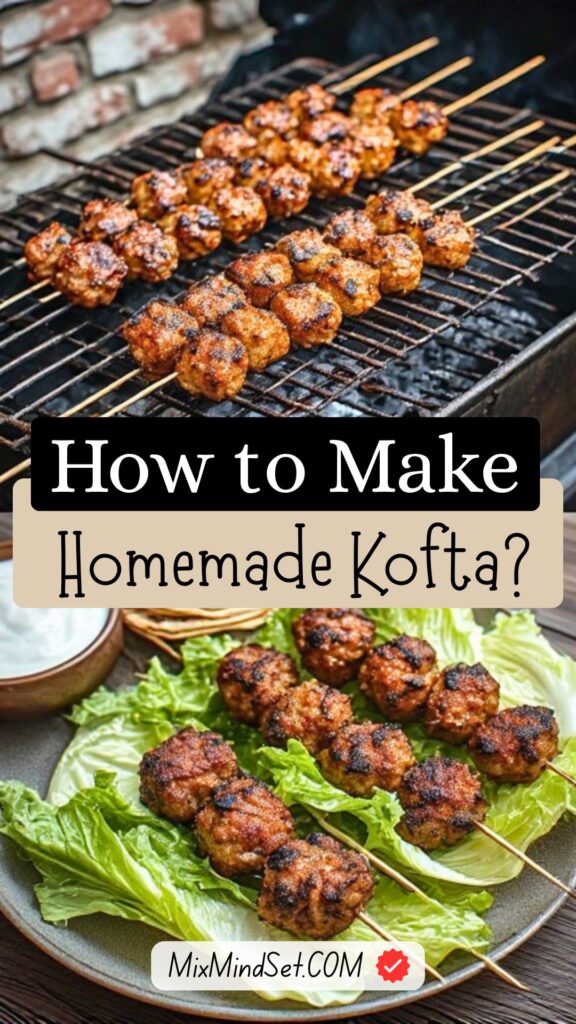
Whether you know it from Middle Eastern street stalls, Mediterranean feasts, or South Asian barbecues, kofta is a dish that brings people together. And while it tastes like it came from a seasoned grill master, the truth is that homemade kofta is remarkably simple to make.
I’m Fatima, and I’ll walk you through a foolproof kofta recipe that delivers juicy, aromatic results every time. You’ll learn how to choose the right meat, balance the spices, and shape perfect koftas that hold together on the grill or in a pan. Let’s get cooking.
What Makes Kofta Special?
Kofta is essentially seasoned ground meat—usually lamb, beef, chicken, or a combination—shaped into cylinders, patties, or meatballs and cooked until caramelized on the outside while staying moist inside. The magic lies in the spice blend and the technique.
Unlike plain burgers, kofta relies on aromatics like onion, garlic, and fresh herbs, plus warm spices such as cumin, coriander, and paprika. The result is a deeply savory, fragrant bite that pairs beautifully with rice, flatbreads, and yogurt sauce.
Table of Contents
How to Make Homemade Kofta?
This recipe makes about 8–10 medium-sized kofta skewers (or 20 meatballs), serving 4 people. The ingredient list is divided into the kofta mixture and optional serving accompaniments.
| Ingredient | Quantity | Notes |
|---|---|---|
| Kofta Mixture | ||
| Ground lamb or beef (or half and half) | 1 lb (450g) | 80/20 fat content recommended for juiciness |
| Onion | ½ medium | Finely grated or minced |
| Garlic | 3 cloves | Minced or pressed |
| Fresh parsley | ¼ cup | Finely chopped; cilantro also works |
| Fresh mint | 2 tbsp | Optional, adds brightness |
| Ground cumin | 1 tsp | Toasted if possible |
| Ground coriander | 1 tsp | |
| Paprika | 1 tsp | Sweet or smoked |
| Cayenne pepper | ¼ tsp | Optional, for heat |
| Salt | 1 tsp | |
| Black pepper | ½ tsp | |
| Breadcrumbs | 2 tbsp | Optional, helps bind |
| Egg | 1 | Optional, for extra binding |
| For Cooking | ||
| Olive oil or ghee | 2 tbsp | For pan-frying or brushing skewers |
| For Serving (Optional) | ||
| Flatbread, rice, or salad | ||
| Tzatziki, tahini sauce, or yogurt |
Step-by-Step Kofta Recipe
1. Prepare the Aromatics
Grate the onion using a box grater or pulse it in a food processor. To prevent the kofta from becoming watery, place the grated onion in a clean kitchen towel or cheesecloth and squeeze out excess liquid. This step is crucial for keeping the mixture firm.
2. Mix the Kofta
In a large bowl, combine the ground meat, squeezed onion, garlic, fresh herbs, and all spices. Mix gently with your hands until just combined. Overworking the meat can lead to dense kofta.
Optional binding: If you’re using lean meat or plan to grill over high heat, add the breadcrumbs and egg. These help the kofta hold its shape. For fattier meat (like lamb) and pan-cooking, you can skip them.
3. Chill the Mixture
Cover the bowl and refrigerate for at least 30 minutes (or up to 24 hours). Chilling firms up the fat and allows the flavors to meld, making shaping easier.
4. Shape the Kofta
- For skewers: Divide the mixture into 8–10 equal portions. Shape each into a log about 1 inch thick and 4–5 inches long. Gently press onto flat metal skewers (or wooden skewers soaked in water for 30 minutes). If using wooden skewers, double them up for stability.
- For patties or meatballs: Form into small patties or 1½-inch balls. These work well for pan-frying or baking.
5. Cook the Kofta
- Grilling: Preheat a grill to medium-high. Brush the kofta with oil. Grill for 3–4 minutes per side, turning once, until charred in spots and cooked through (internal temperature of 160°F for beef/lamb).
- Pan-frying: Heat 1–2 tablespoons of oil in a large skillet over medium-high heat. Cook kofta in batches, turning every 2 minutes, until browned all over and cooked through, about 8–10 minutes total.
- Oven-baking: Place kofta on a lined baking sheet. Bake at 425°F for 12–15 minutes, flipping halfway, until browned and cooked through.
6. Rest and Serve
Let the kofta rest for 5 minutes before serving. This allows the juices to redistribute. Serve with warm pita, rice, fresh salad, and a dollop of tzatziki or tahini sauce.
Video Guide 📺
Common Mistakes to Avoid:
Even a simple kofta recipe can go wrong. Here’s how to stay on track.
- Using meat that’s too lean: Ground lamb is ideal because of its fat content. If using beef, choose 80/20. Lean meat produces dry, crumbly kofta.
- Skipping the onion draining: Excess moisture from onion makes the mixture loose and difficult to shape. Always squeeze grated onion well.
- Over-mixing the meat: Handling the mixture too much compacts it, resulting in dense, tough kofta. Mix gently until just combined.
- Not chilling before shaping: A cold mixture is much easier to shape and stays intact during cooking. Don’t skip the fridge time.
- Cooking at too low heat: Kofta needs high heat to develop a flavorful crust. Low heat causes the fat to render out slowly, leaving you with dry, pale kofta.
- Overcrowding the pan or grill: Leave space between each piece so they sear rather than steam.
Delicious Variations to Try:
Once you’ve mastered the classic, experiment with these twists:
- Chicken Kofta: Use ground chicken or turkey. Add 2 tablespoons of yogurt to the mixture for moisture, and increase breadcrumbs to help binding. Cook until internal temperature reaches 165°F.
- Vegetarian Kofta: Substitute cooked lentils or chickpeas, mixed with sautéed onions, breadcrumbs, and spices. Form into patties and pan-fry gently.
- Cheese-Stuffed Kofta: Flatten a portion of meat, place a small cube of feta or mozzarella in the center, and seal into a log. Cook carefully to avoid leakage.
- Spicy Kofta: Add 1 teaspoon of harissa paste or finely chopped fresh chili to the mixture. Serve with a cooling yogurt sauce.
- Kofta Kebabs with Sumac: Sprinkle sumac over the cooked kofta for a tangy, vibrant finish.
Nutritional Information
Values below are estimated for one kofta skewer (using lamb and including egg and breadcrumbs) and do not include serving sides or sauces.
| Nutrient | Amount Per Kofta (1 skewer) |
|---|---|
| Calories | 180–210 |
| Protein | 14g |
| Carbohydrates | 4g |
| Fat | 12g |
| Saturated Fat | 5g |
| Fiber | 0.5g |
| Sodium | 320mg |
Frequently Asked Questions
Can I make kofta without a grill?
Absolutely. Pan-frying and oven-baking are excellent alternatives. A cast-iron skillet gives a great sear, and baking is a hands-off method that works well for large batches.
Why do my kofta fall apart on the grill?
Common causes: too much moisture (onion not squeezed), lack of binding (egg or breadcrumbs), or handling the skewers too much. Make sure the mixture is well-chilled and the skewers are properly shaped and pressed firmly.
Can I prepare kofta in advance?
Yes. Shape the kofta and place them on a tray, cover, and refrigerate for up to 24 hours. You can also freeze uncooked kofta: arrange on a baking sheet, freeze until solid, then transfer to a freezer bag for up to 3 months. Cook from frozen, adding a few extra minutes.
What’s the best meat for kofta?
Ground lamb is traditional for its richness and flavor. A 50/50 blend of lamb and beef is also popular. For a leaner option, use ground chicken or turkey, but add a little oil or yogurt to keep them moist.
What sauces go well with kofta?
Tzatziki (cucumber yogurt sauce), tahini sauce, garlic yogurt, or a simple squeeze of lemon with fresh herbs all complement kofta beautifully.
Conclusion
Making kofta at home is one of those kitchen skills that feels rewarding from the very first bite. With quality meat, a well-balanced spice blend, and a few simple techniques, you can create a dish that rivals your favorite restaurant.
Whether you’re grilling for a summer gathering or pan-frying a quick weeknight dinner, this recipe gives you the confidence to serve up juicy, flavorful kofta every time.
Pair it with warm flatbread, a fresh salad, and a cooling sauce, and you’ve got a meal that’s simple enough for everyday cooking yet impressive enough for guests.