Korean Japchae Recipe
There’s a reason japchae is the undisputed star of Korean celebrations. It’s the dish that appears at birthdays, holidays, and family gatherings—a beautiful tangle of translucent sweet potato noodles, jewel-toned vegetables, and thinly sliced beef, all coated in a savory-sweet sesame sauce. But beyond its festive reputation, japchae is also an incredibly rewarding dish to make at home.
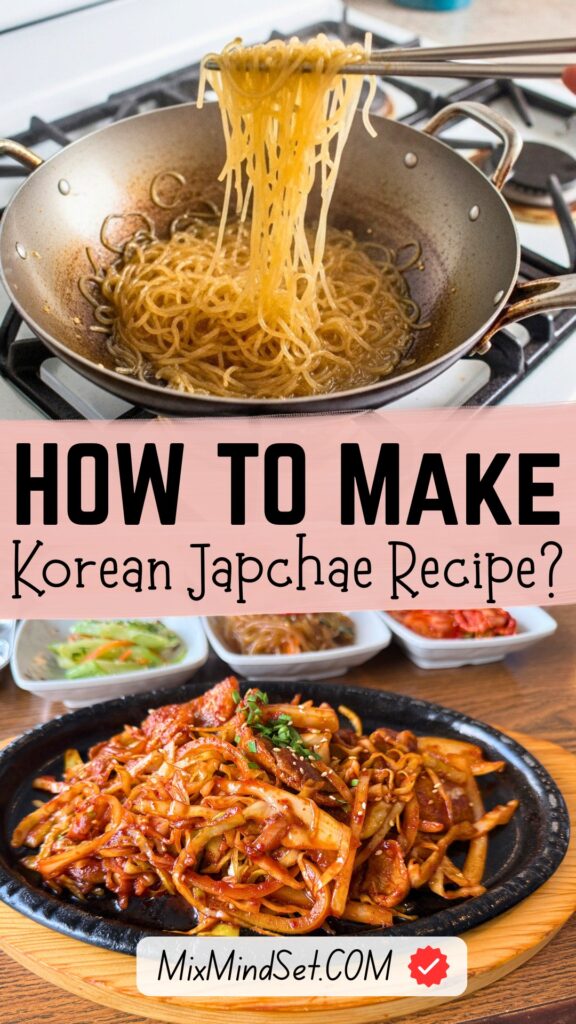
If you’ve ever ordered this in a restaurant and wondered if you could recreate that glossy, perfectly seasoned noodle dish in your own kitchen, the answer is yes. While the ingredient list might look long, the process is straightforward. This recipe focuses on building layers of flavor and getting that signature bouncy, chewy noodle texture that makes japchae so addictive.
Let’s walk through how to make authentic, restaurant-quality japchae that will earn you a spot as the designated cook at every future potluck.
What is Japchae? (And Why You’ll Love It)
Originally, japchae was a dish made without noodles—just vegetables and beef. When sweet potato starch noodles (dangmyeon) were introduced to the recipe in the early 20th century, they became the defining feature. Today, japchae is beloved for its unique texture and versatility.
Why this recipe works:
- Perfect balance: It hits all the notes—savory, sweet, nutty, and earthy.
- Great for meal prep: Japchae is often served at room temperature, making it ideal for lunchboxes or buffets.
- Customizable: It’s easy to make vegetarian by omitting the beef and using soy sauce instead of the meat marinade.
Korean Japchae Recipe
The key to great japchae is preparation. In Korean cooking, this is called mis en place—having everything chopped, marinated, and ready to go before the heat turns on. Here is everything you’ll need to serve 4 to 6 people as a main dish or 8 as a side.
| Ingredient | Quantity | Notes |
|---|---|---|
| For the Noodles & Base | ||
| Sweet potato starch noodles (dangmyeon) | 8 oz (250g) | The essential chewy glass noodle. |
| Soy sauce | ¼ cup | Use low-sodium for better control. |
| Sesame oil | 2 tbsp | Toasted sesame oil is a must. |
| Sugar | 2 tbsp | White sugar or brown sugar. |
| For the Vegetables | ||
| Fresh spinach | 6 oz (170g) | Washed thoroughly. |
| Carrot | 1 large | Cut into thin matchsticks. |
| Yellow onion | 1 medium | Thinly sliced. |
| Red bell pepper | 1 | Thinly sliced. |
| Shiitake mushrooms | 4-5 | Rehydrated if dried, sliced. |
| Scallions | 3 | Cut into 2-inch pieces. |
| Garlic | 4 cloves | Minced. |
| For the Protein | ||
| Beef (sirloin or ribeye) | ½ lb (225g) | Thinly sliced into strips. |
| Soy sauce | 1 tbsp | For marinating the beef. |
| Sugar | 1 tsp | For marinating the beef. |
| For Garnish | ||
| Sesame seeds | 1 tbsp | Toasted. |
| Extra sesame oil | 1 tsp | For finishing. |
Step-by-Step:
This process is divided into three main stages: preparing the protein and vegetables, cooking the noodles, and the final stir-fry. Work efficiently by starting with the noodles first, as they take the longest to cook and rest.
Prepare Your Ingredients
Before turning on the stove, ensure all your vegetables are sliced uniformly. This ensures even cooking. Thin matchsticks for carrots and thin strips for beef are ideal. In a small bowl, combine the beef with 1 tablespoon of soy sauce and 1 teaspoon of sugar. Set it aside while you prep the rest.
Cook the Vegetables Separately (The Secret to Color and Texture)
In traditional japchae, vegetables are cooked individually. This prevents them from bleeding color into each other or becoming a mushy mess.
- Spinach: Blanch the spinach in boiling water for 30 seconds. Rinse in cold water, squeeze out all excess water, and toss with a pinch of salt and a few drops of sesame oil.
- Carrots: In a hot skillet with a touch of oil, sauté the carrot matchsticks for 1-2 minutes until slightly softened. Remove and set aside.
- Onion, Bell Pepper, Mushrooms: In the same skillet, sauté the onion, bell pepper, shiitake mushrooms, and scallions with a pinch of salt until just tender. Remove and set aside.
- Beef: In the same skillet, cook the marinated beef over high heat until just browned. Set aside.
Cook the Noodles
- Bring a large pot of water to a rolling boil. Add the sweet potato starch noodles and cook according to package instructions—typically 6 to 7 minutes until they are soft and translucent.
- Drain the noodles in a colander. Rinse them under cold running water to stop the cooking process and remove excess starch. This also gives them that signature bouncy texture.
- Using kitchen shears, cut the noodles 2 to 3 times. This is a crucial step. Long, uncut noodles are difficult to stir-fry and eat. A few snips make the dish infinitely more manageable.
The Final Toss
- In a large, deep skillet or wok, combine the noodles, beef, and all the cooked vegetables.
- In a small bowl, mix the ¼ cup soy sauce, 2 tablespoons sugar, and minced garlic. Pour this sauce over the noodles.
- Toss everything together over medium heat for 3 to 4 minutes. The noodles will absorb the sauce and take on a glossy, dark amber color.
- Turn off the heat. Add 2 tablespoons of sesame oil and the cooked spinach. Toss one final time.
Video Guide 📺
5 Common Japchae Mistakes (And How to Avoid Them)
Even a simple dish has pitfalls. Here’s how to ensure your japchae turns out perfect every time.
- Overcooking the vegetables: Mushy vegetables ruin the texture. Cook each vegetable just until it loses its raw edge. They should still have a slight crunch.
- Skipping the noodle cut: If you don’t cut the noodles after boiling, you will end up with a tangled mess that’s difficult to mix and even harder to eat. Always cut them.
- Using too much sesame oil: Sesame oil is potent. Adding it during the cooking process can make the flavor bitter if it burns. Always add it at the end, off the heat, to preserve its nutty aroma.
- Not squeezing the spinach: Watery spinach will dilute your sauce. After blanching, squeeze the spinach firmly (using a clean kitchen towel or your hands) until it’s completely dry.
- Cooking everything together from the start: If you throw all the ingredients into the pan at once, the noodles will become gummy and the vegetables will steam instead of sauté. Separate cooking is non-negotiable for authentic japchae.
Nutritional Facts
Japchae is often perceived as a healthy dish, and it largely is—especially when loaded with vegetables. The sweet potato noodles are gluten-free and lower on the glycemic index than wheat noodles. Here’s an approximate breakdown per serving (based on 4 main-dish servings):
| Nutrient | Amount |
|---|---|
| Calories | 380–420 kcal |
| Carbohydrates | 55g |
| Protein | 14g |
| Fat | 12g |
| Fiber | 4g |
| Sodium | 780mg |
Frequently Asked Questions
Can I make japchae vegetarian or vegan?
Absolutely. Simply omit the beef. To add depth, use shiitake mushrooms and a touch more soy sauce. You can also add firm tofu, pan-fried until golden, as a protein substitute. Ensure your sugar is vegan-friendly if that is a concern.
Why are my japchae noodles clumping together?
This usually happens for two reasons. First, the noodles may have been rinsed insufficiently after boiling—a quick rinse removes excess starch. Second, the noodles were left to sit without oil. Once drained, tossing them with a teaspoon of sesame oil prevents sticking while you prepare the other ingredients.
Can I prepare japchae ahead of time?
Yes, and it tastes wonderful the next day. Store it in an airtight container in the refrigerator. To serve, let it come to room temperature (about 20 minutes) or briefly reheat in a skillet. You may need to add a tiny splash of soy sauce and a drizzle of sesame oil to refresh the flavors.
What is the best substitute for sweet potato starch noodles?
There isn’t a perfect substitute for dangmyeon because the unique chewy texture comes from sweet potato starch. However, in a pinch, mung bean thread noodles (cellophane noodles) will work, though they are slightly softer. Avoid rice noodles, as they will become mushy.
Conclusion
Making japchae at home is more than just following a recipe—it’s an act of care. The process of preparing each component with attention, from the quick sauté of vibrant carrots to the final glossy toss of noodles, results in a dish that feels both festive and deeply comforting.
Whether you’re serving it for a special celebration or as a satisfying weeknight dinner, this recipe gives you the structure to create authentic Korean glass noodles with confidence.
The first time you hear the compliments roll in—“This is better than the restaurant!”—you’ll know the extra few steps were well worth it. Give it a try, and don’t be surprised if it becomes a permanent fixture in your recipe rotation.