25+ Easy Gestational Diet Pregnancy Meals List
If you’ve just been diagnosed with gestational diabetes (GD), your first thought might be panic. What can I eat? Will my baby be okay? Do I have to give up everything I love?

Take a deep breath. Gestational diabetes is common — about 6-9% of pregnancies — and it’s manageable. The right diet not only keeps your blood sugar stable but also gives your baby the nutrients needed for healthy growth.
This guide gives you over 25 easy, delicious meal ideas designed specifically for gestational diabetes. Every meal balances protein, healthy fats, and complex carbs to prevent spikes. No starvation. No weird diet foods. Just real meals that work for you and your baby.
Why Your Diet Matters in Gestational Diabetes?
During pregnancy, your placenta produces hormones that can make your body resistant to insulin. For most women, the pancreas adjusts by making more insulin. But when it can’t keep up, blood sugar rises — that’s gestational diabetes.
Left unmanaged, high blood sugar can lead to:
- A larger baby (macrosomia), which may complicate delivery
- Low blood sugar in baby after birth
- Increased risk of preeclampsia
- Higher chance of developing type 2 diabetes later in life
The good news? Diet and exercise control GD in 80-90% of cases. You may not need medication at all. And the eating habits you learn now will serve you and your family for years.
The Golden Rules of a Gestational Diabetes Diet
- Eat every 2-3 hours – 3 small meals plus 2-3 snacks daily. Never skip a meal.
- Pair carbs with protein and fat – Never eat a carb alone (no apple by itself; add peanut butter).
- Choose complex carbs – Whole grains, beans, starchy vegetables over white bread, soda, juice.
- Watch portion sizes – About 1/4 to 1/3 of your plate for carbs.
- Test and learn – Your blood glucose meter tells you what works for your body.
Key target: Fasting blood sugar below 95 mg/dL; 1 hour after meals below 140 mg/dL.
Best Foods for Gestational Diabetes (Quick Reference Table)
| Category | Best Choices | Limit/Avoid |
|---|---|---|
| Complex carbs | Whole grain bread, brown rice, quinoa, oats, sweet potato, beans, lentils | White rice, white bread, pasta, juice, soda, candy |
| Protein | Chicken, turkey, eggs, fish (low mercury), tofu, lean beef, pork | Fried meats, breaded meats, processed deli meats (heat first) |
| Vegetables | All non-starchy: spinach, broccoli, cauliflower, bell peppers, zucchini, cucumber | Corn, peas, potatoes (count as carbs) |
| Fruits | Berries, apple, pear, orange, peach (1 small serving with protein) | Watermelon, mango, dried fruit, fruit juice |
| Dairy | Plain Greek yogurt, cottage cheese, skim milk, hard cheese | Sweetened yogurt, flavored milk |
| Healthy fats | Avocado, olive oil, nuts, seeds, nut butters | Trans fats, excessive butter |
| Snacks | Hard-boiled egg, cheese stick, handful nuts, small apple with peanut butter | Chips, cookies, granola bars (most are sugary) |
25+ Easy Gestational Diabetes Meal Ideas (By Meal)
Breakfast Ideas (6 Ideas)
Breakfast is critical because your fasting blood sugar may be high. Always include protein.
- Scrambled eggs (2) with spinach and 1 slice whole grain toast – Add half an avocado if hungry.
- Greek yogurt parfait – ¾ cup plain Greek yogurt, ¼ cup low-sugar granola, ½ cup berries.
- Peanut butter banana toast – 1 slice whole grain bread, 1 tbsp natural peanut butter, ½ small banana (sliced).
- Vegetable omelette – 2 eggs, ¼ cup diced bell peppers, ¼ cup mushrooms, sprinkle of cheese.
- Overnight oats – ½ cup rolled oats, ¾ cup unsweetened almond milk, 1 tbsp chia seeds, ½ cup blueberries. Refrigerate overnight.
- Cottage cheese bowl – ½ cup low-fat cottage cheese, ¼ cup sliced peaches (canned in juice, drained), 1 tbsp chopped walnuts.
Lunch Ideas (7 Ideas)
Keep lunch balanced with protein, fiber, and a small carb serving.
- Turkey & cheese roll-ups – 3 slices turkey breast, 1 slice low-fat cheese, rolled around a pickle spear. Side of apple slices.
- Quinoa salad – ¾ cup cooked quinoa, ½ cup chickpeas, diced cucumber, tomatoes, feta, lemon- olive oil dressing.
- Leftover dinner – Always make extra for easy next-day lunch.
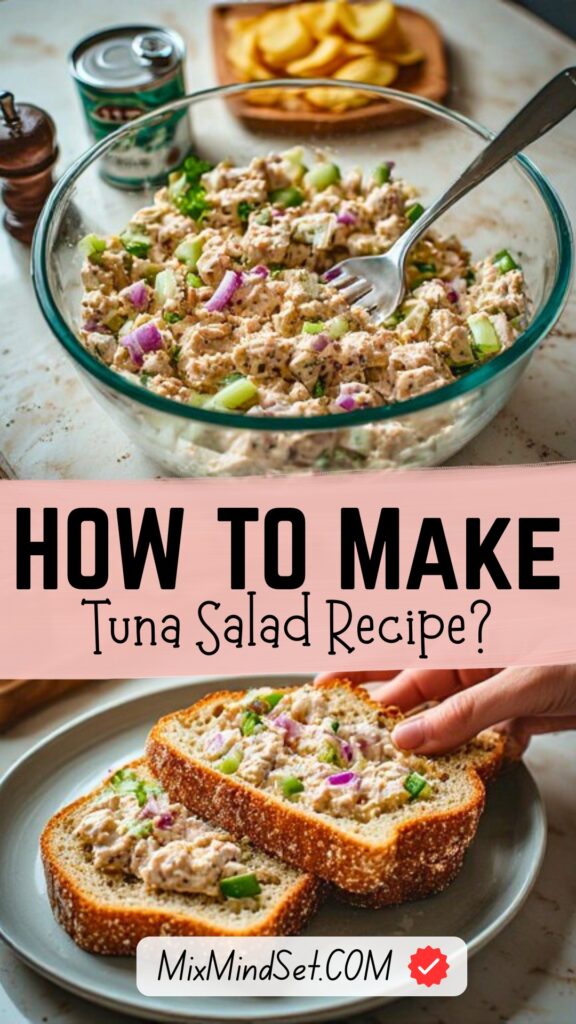
- Tuna salad lettuce wraps – 1 can tuna (in water) mixed with 2 tbsp Greek yogurt and mustard. Scoop into 3 large lettuce leaves.
- Egg salad on whole grain crackers – 2 hard-boiled eggs mashed with 1 tbsp mayo (light). Serve with 6 whole grain crackers.
- Black bean soup – 1 cup low-sodium black bean soup, topped with 1 tbsp Greek yogurt and avocado slices.
- Hummus & veggie plate – ¼ cup hummus, carrot sticks, cucumber slices, bell pepper strips, plus 1 oz low-fat cheese.
Dinner Ideas (8 Ideas)
Dinner should be satisfying but not too heavy. Aim for half your plate non-starchy vegetables.
- Baked salmon with roasted broccoli – 4 oz salmon, 1 cup broccoli, ½ cup quinoa.
- Turkey meatballs with zucchini noodles – 4 small turkey meatballs (homemade or low-sugar jarred sauce), over spiralized zucchini.
- Chicken stir-fry – 4 oz chicken breast, 1 cup mixed bell peppers and snap peas, low-sodium soy sauce. Serve with ½ cup brown rice.
- Lentil & vegetable stew – 1 cup lentil stew (carrots, celery, tomatoes), side salad.
- Grilled shrimp skewers – 5 large shrimp, ½ cup cooked barley, 1 cup grilled asparagus.
- Tofu & broccoli sheet pan – Cubed tofu, broccoli florets, drizzle of sesame oil, bake at 400°F for 20 minutes. Serve with ½ cup brown rice.
- Lean beef burger (no bun) – 4 oz patty, lettuce wrap, tomato, onion, avocado. Side of sweet potato fries (baked, not fried).
- Stuffed bell pepper – Bell pepper filled with ground turkey, brown rice, and diced tomatoes. Baked until tender.
Snack Ideas (6 Ideas)
Snacks prevent blood sugar crashes between meals. Never skip your bedtime snack — it helps morning fasting numbers.
- Hard-boiled egg + 1 small orange
- Apple slices (½ medium apple) with 1 tbsp peanut butter
- Cheese stick + 6 whole grain crackers
- Handful of almonds (about 12) + 1 light cheese stick
- Greek yogurt (½ cup) with 1 tbsp chia seeds
- Hummus (2 tbsp) with cucumber rounds
- Cottage cheese (¼ cup) with 5 strawberries
3 Complete Gestational Diabetes Recipes (Numbered)
Recipe 1: Blood Sugar Friendly Overnight Oats
Perfect for busy mornings. Prep the night before.
Ingredients:
| Ingredient | Amount |
|---|---|
| Rolled oats | ½ cup |
| Unsweetened almond milk | ¾ cup |
| Plain Greek yogurt | ¼ cup |
| Chia seeds | 1 tbsp |
| Blueberries (fresh or frozen) | ½ cup |
| Cinnamon | ¼ tsp |
| Vanilla extract | ½ tsp (optional) |
Instructions:
- In a mason jar or bowl, combine oats, almond milk, Greek yogurt, chia seeds, cinnamon, and vanilla.
- Stir well. Gently fold in blueberries.
- Cover and refrigerate overnight (or at least 4 hours).
- Eat cold or warm gently in the microwave.
Nutritional Facts (per serving):
| Nutrient | Amount |
|---|---|
| Calories | 380 |
| Protein | 18g |
| Carbohydrates | 48g |
| Fiber | 12g |
| Sugar | 12g (natural from berries) |
| Fat | 14g |
| Net carbs (approx) | 36g |
Recipe 2: Turkey & Zucchini Meatballs with Zucchini Noodles
A low-carb, high-protein dinner that won’t spike blood sugar.
Ingredients (for 4 servings):
| Ingredient | Amount |
|---|---|
| Ground turkey (93% lean) | 1 lb |
| Zucchini (grated, excess water squeezed out) | 1 medium |
| Egg | 1 |
| Almond flour | ¼ cup |
| Garlic powder | ½ tsp |
| Dried oregano | 1 tsp |
| Salt (optional, small amount) | ¼ tsp |
| Black pepper | To taste |
| Zucchini (spiralized into noodles) | 4 medium |
| No-sugar-added marinara sauce | 2 cups |
| Olive oil | 1 tbsp |
Instructions:
- Preheat oven to 400°F (200°C). Line a baking sheet with parchment.
- In a bowl, combine ground turkey, grated zucchini, egg, almond flour, garlic powder, oregano, salt, and pepper. Mix gently.
- Roll into 16 small meatballs (about 1.5 inches). Place on baking sheet.
- Bake for 15-18 minutes until browned and cooked through.
- Meanwhile, heat olive oil in a skillet. Add spiralized zucchini noodles and sauté for 2-3 minutes until just tender.
- Heat marinara sauce in a small pot. Serve meatballs over zucchini noodles with sauce.
Nutritional Facts (per serving – 4 meatballs + 1 cup zucchini noodles + ½ cup sauce):
| Nutrient | Amount |
|---|---|
| Calories | 350 |
| Protein | 32g |
| Carbohydrates | 18g |
| Fiber | 5g |
| Sugar | 9g (from tomatoes) |
| Fat | 18g |
Recipe 3: Sheet Pan Salmon & Broccoli
A 20-minute dinner that’s packed with omega-3s for baby’s brain development.
Ingredients (per serving):
| Ingredient | Amount |
|---|---|
| Salmon fillet (wild caught if possible) | 4-5 oz |
| Broccoli florets | 1 cup |
| Olive oil | 1 tbsp |
| Lemon juice | 1 tbsp |
| Garlic powder | ¼ tsp |
| Paprika | ¼ tsp |
| Black pepper | To taste |
| Quinoa (cooked) | ½ cup |
Instructions:
- Preheat oven to 400°F (200°C). Line a baking sheet with foil.
- Place salmon and broccoli on the sheet. Drizzle with olive oil and lemon juice.
- Sprinkle salmon with garlic powder, paprika, and pepper. Toss broccoli to coat.
- Bake for 12-15 minutes until salmon flakes easily and broccoli is tender-crisp.
- Serve with ½ cup cooked quinoa on the side.
Nutritional Facts (per serving):
| Nutrient | Amount |
|---|---|
| Calories | 480 |
| Protein | 36g |
| Carbohydrates | 28g |
| Fiber | 5g |
| Sugar | 3g |
| Fat | 24g |
| Omega-3 fatty acids | ~2g |
5 Common Gestational Diabetes Mistakes (And How to Avoid Them)
1. Cutting carbs completely.
Your baby needs carbohydrates for brain development. Very low-carb diets can cause ketones, which may harm baby. Solution: Eat 150-200g of complex carbs daily spread across meals.
2. Skipping the bedtime snack.
Many women wake up with high fasting blood sugar because their liver releases glucose overnight. A small protein-carb snack before bed helps. Solution: Try a hard-boiled egg + 6 crackers or ½ apple with peanut butter.
3. Eating “sugar-free” processed foods.
Sugar-free cookies or ice cream often contain other carbs or artificial sweeteners that may still spike blood sugar. Solution: Stick to whole foods.
4. Not eating enough at meals.
Undereating can cause your body to release stress hormones, which raise blood sugar. Solution: Fill half your plate with non-starchy vegetables, 1/4 with protein, 1/4 with complex carbs.
5. Ignoring portion sizes of “healthy” carbs.
Brown rice and quinoa are great, but too much still raises blood sugar. Solution: Measure ½ cup cooked grains per meal.
Frequently Asked Questions
Will I have to take insulin if I follow this diet?
Not necessarily. Many women manage gestational diabetes with diet and exercise alone. If your blood sugar remains high despite following the plan, insulin may be needed — and that’s okay. It does not mean you failed.
Can I ever eat sweets or desserts?
Occasionally, and only paired with protein and fat. For example, 2 small dark chocolate squares with a handful of nuts after a protein-rich meal. Avoid sugary drinks and large desserts.
What fruits are best for gestational diabetes?
Berries (strawberries, blueberries, raspberries), apples, pears, oranges, and peaches. Limit bananas, grapes, mangoes, and cherries. Always eat fruit with a protein (cheese, nuts, yogurt).
Do I need to avoid all carbohydrates after 6 PM?
No. That’s a myth. Your body handles carbs similarly regardless of time. The important factor is portion size and pairing with protein. Many women need a bedtime carb snack to lower morning fasting numbers.
What if I’m vegetarian or vegan?
Absolutely doable. Focus on tofu, tempeh, edamame, beans, lentils, nuts, seeds, eggs (if ovo), and dairy (if lacto). Pair plant proteins with whole grains. You may need a prenatal vitamin with iron and B12.
When will gestational diabetes go away?
For most women, blood sugar returns to normal immediately after delivery. You’ll be tested 6-12 weeks postpartum. However, you have a higher risk (about 50%) of developing type 2 diabetes later in life, so healthy eating is a lifelong gift.
Sample 1-Day Gestational Diabetes Meal Plan
| Meal | Food | Carb estimate |
|---|---|---|
| Breakfast (7:00 AM) | 2 scrambled eggs, 1 slice whole grain toast, ½ avocado | 15g |
| Snack (10:00 AM) | 1 hard-boiled egg, 6 baby carrots | 5g |
| Lunch (12:30 PM) | Quinoa salad (¾ cup quinoa, chickpeas, veggies, feta) | 45g |
| Snack (3:30 PM) | ½ apple + 1 tbsp peanut butter | 10g |
| Dinner (6:30 PM) | Salmon, 1 cup broccoli, ½ cup brown rice | 30g |
| Bedtime snack (9:30 PM) | Cheese stick + 6 whole grain crackers | 15g |
| Total | ~120g carbs |
Final Thoughts: You’ve Got This
A gestational diabetes diagnosis can feel scary, but it’s also empowering. You now have clear guidelines to nourish yourself and your baby. You’ll learn to read your body’s signals. You’ll discover new favorite meals. And you’ll likely come out of pregnancy healthier than before.
Start with three days of following the meal ideas above. Test your blood sugar as your doctor advises. Notice what works. Adjust as needed. And remember — this is temporary. Your baby will thank you for every thoughtful bite.
One healthy meal at a time, you’re building a strong foundation for both of you.
Disclaimer: This article is for informational purposes only and does not constitute medical advice. Every pregnancy is unique. Always follow the specific guidance of your obstetrician, midwife, or registered dietitian regarding gestational diabetes management. Do not change your diet or medications without medical supervision.