45+ ACID Reflux Diet
That burning sensation in your chest after a meal. The sour taste creeping up your throat when you lie down. The constant clearing of your throat. If you live with acid reflux (GERD), you know how exhausting it can be.

Acid reflux happens when stomach acid flows back into your esophagus, the tube that connects your mouth to your stomach. Over time, this acid can damage the esophageal lining, leading to chronic heartburn, coughing, hoarseness, and even difficulty swallowing.
The good news is that diet is one of the most powerful tools for managing reflux. The right foods can neutralize acid, strengthen the lower esophageal sphincter (the valve that keeps acid down), and reduce inflammation.
This guide gives you over 45 practical, delicious meal ideas plus three complete recipes designed to keep you symptom-free. No bland “reflux diet” stereotypes here — just real food that works with your body, not against it.
What Is an Acid Reflux Diet? (The 5 Simple Rules)
An acid reflux diet isn’t about starving yourself. It’s about choosing foods that are low in acid, low in fat, and gentle on your digestive system while avoiding common triggers.
The 5 Golden Rules
- Avoid high-acid foods – Citrus fruits, tomatoes, vinegar, and coffee can directly irritate an already-inflamed esophagus.
- Limit fatty and fried foods – High-fat meals relax the lower esophageal sphincter (LES), allowing acid to splash up. This includes fried foods, fatty meats, full-fat dairy, and creamy sauces.
- Avoid common triggers – Onions, garlic, chocolate, mint, spicy peppers, caffeine, and alcohol are notorious for triggering reflux.
- Eat smaller, more frequent meals – A full stomach puts pressure on the LES. Eating 4-5 smaller meals instead of 3 large ones reduces that pressure.
- Time your meals wisely – Stop eating at least 3 hours before lying down. Gravity helps keep acid where it belongs.
Key fact: Studies show that dietary changes alone can reduce reflux symptoms by 40-60% in people with mild to moderate GERD — comparable to over-the-counter medications.
Foods to Eat and Avoid: Quick Reference Table
Reflux-Friendly Foods (Enjoy Freely)
| Category | Best Choices |
|---|---|
| Low-acid vegetables | Broccoli, cauliflower, green beans, spinach, kale, cucumber, zucchini, carrots, celery, asparagus, sweet potatoes, potatoes (not fried) |
| Low-acid fruits | Bananas, melons (cantaloupe, honeydew), papaya, watermelon, pears, apples (non-citrus) |
| Lean proteins | Skinless chicken, turkey, fish (salmon, cod, tilapia), tofu, eggs (poached or scrambled, not fried), lean ground beef (93%+), seafood |
| Whole grains | Oats, brown rice, quinoa, whole wheat bread, whole grain pasta, couscous |
| Healthy fats (in small amounts) | Olive oil, avocado (small portion), nuts (almonds, walnuts), seeds (chia, flax) |
| Dairy (low-fat or non-dairy) | Low-fat milk, low-fat yogurt, low-fat cheese, almond milk, oat milk |
| Herbs & seasonings | Ginger, turmeric, parsley, basil, oregano, thyme, rosemary, sage, salt (in moderation) |
| Beverages | Water, herbal tea (chamomile, ginger, licorice), almond milk |
Foods to Limit or Avoid (Common Triggers)
| Category | Avoid These |
|---|---|
| High-acid foods | Citrus fruits (oranges, lemons, limes, grapefruit), tomatoes, tomato sauce, pineapple, vinegar, pickles |
| High-fat foods | Fried foods (french fries, fried chicken), fatty red meat, bacon, sausage, full-fat dairy (cream, butter, whole milk), creamy dressings |
| Trigger foods | Onions, garlic, chocolate, mint (peppermint, spearmint), spicy peppers (jalapeño, chili), coffee, black tea, alcohol, carbonated drinks |
| Processed foods | Fast food, processed meats, sugary snacks, chips, commercial baked goods |
Note: Triggers vary from person to person. Keep a symptom diary to identify your unique offenders.
45+ Acid Reflux Diet Meal Ideas (By Meal)
Here are over 45 simple, reflux-friendly meal ideas you can rotate throughout your week.
Breakfast Ideas (10 Ideas)
- Oatmeal with banana & almond butter – ½ cup rolled oats cooked with water or low-fat milk. Top with 1 sliced banana and 1 tbsp almond butter.
- Scrambled eggs with spinach – 2 eggs scrambled, 1 cup fresh spinach, served with 1 slice whole grain toast.
- Low-fat Greek yogurt parfait – ¾ cup plain low-fat Greek yogurt, ½ cup melon balls (cantaloupe or honeydew), 1 tbsp chia seeds.
- Rice cake with peanut butter – 2 brown rice cakes, 2 tbsp natural peanut butter, topped with banana slices.
- Quinoa breakfast bowl – ½ cup cooked quinoa, ½ cup unsweetened almond milk, 1 tbsp chopped walnuts, ½ cup blueberries.
- Chamomile tea + hard-boiled egg – Gentle on the stomach, rich in protein.
- Oat pancakes – Made with oats, banana, and egg. Skip the butter and use maple syrup lightly.
- Melon smoothie – 1 cup cantaloupe, ½ cup low-fat yogurt, ¼ cup water, handful of spinach.
- Turkey & avocado roll-ups – Sliced turkey breast rolled with thin avocado slices.
- Cottage cheese with pear – ½ cup low-fat cottage cheese, 1 sliced pear.
Lunch Ideas (12 Ideas)
- Quinoa & roasted vegetable bowl – Quinoa, roasted zucchini and carrots, grilled chicken, olive oil drizzle.
- Turkey & hummus wrap – Whole wheat tortilla, sliced turkey, hummus, shredded carrots, cucumber.
- Leftover baked salmon – Flaked salmon over mixed greens with a drizzle of olive oil and lemon (use very little lemon if tolerated).
- Chicken & rice soup – Homemade with chicken breast, brown rice, carrots, celery, low-sodium broth (no onions or garlic).
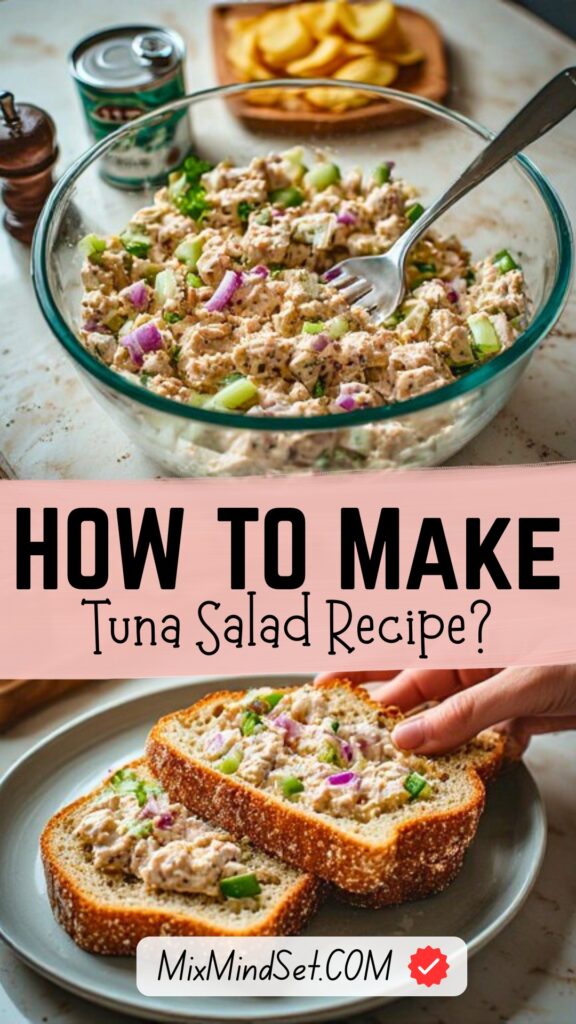
- Tuna salad on whole grain bread – Canned tuna (in water) mixed with plain Greek yogurt and diced celery.
- Lentil & vegetable soup – Lentils, carrots, zucchini, spinach, low-sodium broth. Avoid tomato.
- Egg salad lettuce wraps – 2 hard-boiled eggs mashed with 1 tbsp plain yogurt, scooped into butter lettuce cups.
- Grilled chicken salad – Grilled chicken breast, mixed greens, cucumber, bell peppers, olive oil dressing (no vinegar).
- Brown rice bowl with tofu – Brown rice, baked tofu, steamed broccoli, ginger, low-sodium tamari.
- Baked sweet potato – Topped with plain Greek yogurt and fresh chives.
- Turkey meatballs with zucchini noodles – Baked turkey meatballs (no onion/garlic) over spiralized zucchini.
- Hummus & veggie plate – Hummus with carrot sticks, cucumber rounds, bell pepper strips, and whole grain crackers.
Dinner Ideas (14 Ideas)
- Baked salmon with roasted asparagus – 5 oz salmon, 1 cup asparagus, olive oil, herbs. Serve with ½ cup brown rice.
- Chicken & broccoli stir-fry – Chicken breast, broccoli, carrots, ginger, low-sodium tamari. Serve over brown rice.
- Lean turkey burger (no bun) – 4 oz patty (93% lean), lettuce wrap, avocado, tomato. Side of baked sweet potato wedges.
- Baked cod with lemon (light) & green beans – 5 oz cod, 1 cup steamed green beans, ½ cup quinoa.
- Zucchini lasagna – Layers of sliced zucchini, ground turkey, low-fat ricotta, and spinach (no tomato sauce; use pesto or olive oil).
- Grilled shrimp skewers – 5 large shrimp, 1 cup grilled bell peppers and zucchini, ½ cup cooked farro.
- Lentil shepherd’s pie – Lentil-mushroom filling topped with mashed potatoes (no onion/garlic).
- Stuffed bell peppers – Bell peppers filled with ground turkey, brown rice, and diced zucchini (no tomato).
- Tofu & vegetable sheet pan – Cubed tofu, broccoli, carrots, olive oil, rosemary. Serve with ½ cup quinoa.
- Hearty white bean & kale soup – Cannellini beans, kale, carrots, celery, low-sodium vegetable broth, thyme.
- Chicken & wild rice casserole – Shredded chicken, wild rice, low-fat milk, celery, parsley (no onion/garlic).
- Eggplant & chickpea stew – Eggplant, chickpeas, zucchini, low-sodium broth, turmeric, ginger.
- Salmon cakes with avocado mash – Canned salmon mixed with almond flour and egg, pan-fried. Serve with mashed avocado.
- Simple omelette – 2 eggs, spinach, mushrooms, low-fat cheese. Side of melon slices.
Snack Ideas (10 Ideas)
- Banana (1 medium)
- Apple slices with peanut butter (1 tbsp)
- Handful of almonds (10-12)
- Low-fat string cheese
- Rice cakes with avocado
- Cantaloupe cubes (1 cup)
- Hard-boiled egg
- Low-fat yogurt (½ cup) with honey (1 tsp)
- Pear slices
- Celery sticks with almond butter
- Oatmeal cookie (low-sugar, homemade)
Drinks & Beverages (3 Ideas)
- Chamomile tea – Soothes the digestive tract.
- Ginger tea – Fresh ginger steeped in hot water; reduces inflammation.
- Almond milk (unsweetened) – A great low-acid milk alternative.
3 Complete Acid Reflux Diet Recipes (Numbered)
Recipe 1: Soothing Banana Oat Pancakes
These pancakes are naturally low-acid, dairy-free (if you use almond milk), and incredibly gentle on the stomach.
Ingredients:
| Ingredient | Amount |
|---|---|
| Rolled oats | 1 cup |
| Very ripe banana (small) | 1 |
| Eggs | 2 large |
| Unsweetened almond milk | ¼ cup |
| Baking powder | 1 tsp |
| Cinnamon | ½ tsp |
| Coconut oil (for cooking) | 1 tsp |
Instructions:
- In a blender, combine oats, banana, eggs, almond milk, baking powder, and cinnamon. Blend until smooth.
- Heat a non-stick skillet over medium heat. Lightly grease with coconut oil.
- Pour ¼ cup batter per pancake onto the skillet. Cook until bubbles form (about 2 minutes), then flip and cook another 1-2 minutes.
- Serve warm with a drizzle of maple syrup (optional) and fresh banana slices.
Nutritional Facts (per serving – 2 pancakes):
| Nutrient | Amount |
|---|---|
| Calories | 320 |
| Protein | 12g |
| Carbohydrates | 45g |
| Fiber | 8g |
| Fat | 11g |
| Saturated Fat | 3g |
| Sodium | 180mg |
Recipe 2: Soothing Ginger & Turmeric Chicken Soup
Ginger and turmeric are powerful anti-inflammatory herbs that can calm an irritated esophagus. No onions, garlic, or tomato.
Ingredients (makes 4 servings):
| Ingredient | Amount |
|---|---|
| Boneless, skinless chicken breast | 1 lb |
| Low-sodium chicken broth | 6 cups |
| Carrots (diced) | 2 medium |
| Celery stalks (diced) | 2 |
| Fresh ginger (grated) | 1 tbsp |
| Ground turmeric | 1 tsp |
| Fresh parsley (chopped) | ¼ cup |
| Brown rice (cooked) | 1 cup |
| Olive oil | 1 tbsp |
| Salt | ¼ tsp (or to taste) |
Instructions:
- In a large pot, heat olive oil over medium heat. Sauté carrots and celery for 5 minutes.
- Add grated ginger and turmeric, cook 1 minute.
- Add chicken broth and whole chicken breasts. Bring to a boil, then reduce heat and simmer for 20 minutes until chicken is cooked through.
- Remove chicken, shred with two forks, and return to pot.
- Stir in cooked brown rice and parsley. Simmer 5 more minutes.
- Season with salt. Serve warm.
Nutritional Facts (per serving – 1.5 cups):
| Nutrient | Amount |
|---|---|
| Calories | 310 |
| Protein | 30g |
| Carbohydrates | 22g |
| Fiber | 4g |
| Fat | 11g |
| Saturated Fat | 2g |
| Sodium | 450mg |
Recipe 3: Baked Lemon-Dill Salmon with Roasted Zucchini
This recipe uses a very light touch of lemon (well-tolerated by many) or you can omit it entirely. The focus is on gentle herbs and healthy fats.
Ingredients:
| Ingredient | Amount |
|---|---|
| Wild salmon fillet | 5 oz |
| Zucchini (sliced into rounds) | 1 medium |
| Fresh dill (chopped) | 1 tbsp |
| Olive oil | 1 tbsp |
| Lemon juice (optional – use only 1 tsp) | 1 tsp |
| Garlic powder | ¼ tsp |
| Black pepper | To taste |
| Quinoa (cooked) | ½ cup |
Instructions:
- Preheat oven to 400°F (200°C). Line a baking sheet with parchment.
- Place salmon and zucchini rounds on the sheet. Drizzle with olive oil.
- Sprinkle salmon with dill, garlic powder, and pepper. Add lemon juice if using (very little).
- Bake for 12-15 minutes until salmon flakes easily and zucchini is tender.
- Serve with ½ cup cooked quinoa.
Nutritional Facts (per serving):
| Nutrient | Amount |
|---|---|
| Calories | 460 |
| Protein | 36g |
| Carbohydrates | 25g |
| Fiber | 5g |
| Fat | 24g (mostly unsaturated) |
| Saturated Fat | 3g |
| Omega-3 fatty acids | ~2g |
| Sodium | 70mg |
5 Common Mistakes on an Acid Reflux Diet
1. Eating too close to bedtime.
Even the most reflux-friendly meal can cause symptoms if you lie down right after. Solution: Finish eating at least 3 hours before bed. Wait 2-3 hours after eating before lying down for a nap.
2. Drinking water or other liquids with meals.
Large volumes of liquid stretch your stomach and increase pressure on the lower esophageal sphincter. Solution: Sip small amounts during meals. Drink most of your fluids between meals.
3. Wearing tight clothing around your abdomen.
Tight belts, waistbands, or shapewear can push stomach contents upward. Solution: Wear loose-fitting clothes, especially after eating.
4. Assuming “low-acid” means you can eat any amount of fat.
High-fat meals relax the LES even if they’re not acidic. A fatty steak or creamy dressing can trigger reflux just as badly as tomato sauce. Solution: Keep total fat moderate (especially saturated fat) and choose cooking methods like baking, grilling, or steaming.
5. Ignoring other lifestyle factors.
Diet is powerful, but smoking, excess weight, stress, and certain medications (NSAIDs like ibuprofen) also worsen reflux. Solution: Combine diet changes with weight management (if needed), stress reduction, and quitting smoking.
Frequently Asked Questions
Can I ever eat tomato sauce or citrus again?
Maybe, in small amounts and not during flares. Some people with mild reflux can tolerate a little lemon juice on fish or a small amount of tomato sauce if paired with a low-acid food (like whole grain pasta) and not eaten late at night. Test carefully with a symptom diary.
Is coffee completely off limits?
For many people, yes — caffeine relaxes the LES and stimulates stomach acid. But some find that low-acid coffee (cold brew or dark roast) is better tolerated. Try a 2-week coffee break, then reintroduce a small cup in the morning (not on an empty stomach) and see how you feel.
What about chocolate?
Chocolate contains both caffeine and theobromine, both of which relax the LES. It also has high fat content. For most people with reflux, chocolate is a strong trigger. If you must have it, try a small piece of white chocolate (lowest in caffeine) after a full meal, not on an empty stomach.
Can I eat raw onions and garlic if they’re cooked?
Cooking reduces but does not eliminate the reflux-triggering compounds in onions and garlic. Some people tolerate small amounts of cooked onion or garlic; others do not. Experiment carefully. You can also use garlic-infused oil (without the solid pieces) as a flavor alternative.
How long until I see improvement?
Many people notice reduced heartburn within 3-5 days of following a low-acid, low-fat diet. Full healing of esophageal inflammation can take 4-8 weeks. Be patient and consistent.
What if I still have symptoms after changing my diet?
See your doctor. You may need medication (PPIs or H2 blockers) or further evaluation for conditions like hiatal hernia, Barrett’s esophagus, or eosinophilic esophagitis. Do not ignore persistent symptoms.
Your Simple 1-Day Acid Reflux Friendly Meal Plan
| Meal | Food |
|---|---|
| Breakfast | Banana oat pancakes with a drizzle of maple syrup + chamomile tea |
| Morning snack | 1 pear |
| Lunch | Turkey & hummus wrap (whole wheat tortilla, turkey, hummus, cucumber, carrots) |
| Afternoon snack | Low-fat string cheese + 6 whole grain crackers |
| Dinner | Baked lemon-dill salmon with roasted zucchini and quinoa |
| Evening drink | Ginger tea (no caffeine) |
Final Thoughts
Acid reflux can make you feel like you have to give up all the foods you love. But the truth is, you’re not giving up pleasure — you’re trading short-term satisfaction (followed by burning pain) for long-term comfort and healing.
Start with one reflux-friendly meal today. Maybe it’s the banana oat pancakes for breakfast. Or the ginger chicken soup for lunch. Notice how your body responds. Many people are shocked at how quickly the burning stops.
Your esophagus is designed to handle occasional acid exposure, not daily assault. Give it a break. Feed it gentle, nourishing foods. And soon, you’ll be eating without fear again.
Freedom from heartburn isn’t about restriction — it’s about listening to your body and giving it what it truly needs.
Disclaimer: This article is for informational purposes only and does not constitute medical advice. If you have severe or frequent acid reflux, difficulty swallowing, unintended weight loss, or black stools, consult your doctor immediately. Do not stop prescribed medications without medical supervision.