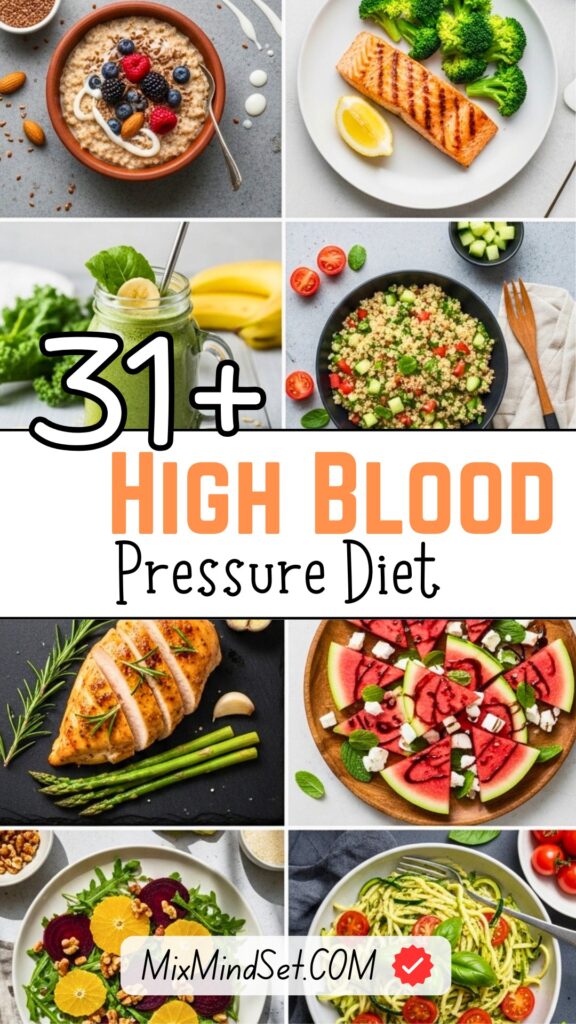
31+ High Blood Pressure Diet
High blood pressure (hypertension) is often called the “silent killer” because it has no obvious symptoms — until it causes a heart attack, stroke, or kidney damage. The good news? You can lower your blood pressure significantly by changing what you put on your plate.
The right diet for high blood pressure focuses on three powerful minerals: potassium, magnesium, and calcium. These help relax blood vessels, balance fluids, and counteract the effects of sodium. At the same time, you’ll reduce saturated fat, added sugar, and processed foods.
This guide gives you over 31 practical meal ideas, plus full recipes, to help you eat your way to healthier numbers. No bland “diet food.” No expensive supplements. Just real, satisfying meals that taste great and work fast.
How Food Lowers Blood Pressure (In Simple Terms)
Your blood pressure is the force of blood pushing against your artery walls. When that force stays too high, it damages arteries over time.
Certain foods naturally lower pressure by:
- Increasing potassium – Helps your kidneys flush out excess sodium. Think bananas, potatoes, spinach, beans.
- Providing magnesium – Relaxes blood vessel walls. Think nuts, seeds, leafy greens, whole grains.
- Delivering calcium – Supports healthy artery contraction. Think low-fat dairy, fortified plant milks, kale.
- Reducing sodium – Less salt means less fluid retention and lower pressure.
The most researched and proven diet for hypertension is the DASH diet (Dietary Approaches to Stop Hypertension). Studies show it can lower systolic blood pressure by 6-11 mmHg — comparable to a single medication.
Key fact: Most people see a drop in blood pressure within 2 weeks of starting a low-sodium, high-potassium diet.
Foods to Eat and Limit for Healthy Blood Pressure
Use this table as your daily reference.
Best Blood Pressure-Lowering Foods
| Category | Best Choices | Why It Helps |
|---|---|---|
| Leafy greens | Spinach, kale, Swiss chard, collards | Rich in magnesium and potassium |
| Root vegetables | Sweet potatoes, potatoes (with skin), beets, carrots | High potassium; beets also provide nitrates that widen vessels |
| Fruits | Bananas, oranges, berries, kiwi, melon, pomegranate | Potassium and antioxidants |
| Legumes | Lentils, black beans, chickpeas, kidney beans | Fiber, magnesium, potassium |
| Fatty fish | Salmon, mackerel, sardines, trout | Omega-3s reduce inflammation |
| Nuts & seeds | Walnuts, almonds, flaxseeds, chia seeds, pumpkin seeds | Magnesium and healthy fats |
| Whole grains | Oats, quinoa, brown rice, barley | Magnesium and fiber |
| Low-fat dairy | Yogurt, milk, cottage cheese | Calcium |
| Healthy oils | Olive oil, avocado oil | Unsaturated fats support arteries |
Foods to Limit or Avoid
| Category | Limit/Avoid | Why |
|---|---|---|
| High-sodium foods | Canned soups, deli meats, frozen meals, salty snacks, soy sauce | Sodium raises blood pressure |
| Saturated & trans fats | Fatty red meat, butter, fried foods, pastries | Damages arteries |
| Added sugars | Soda, candy, sugary cereals, baked goods | Promotes weight gain and inflammation |
| Alcohol | More than 1 drink/day (women) or 2 (men) | Raises pressure directly |
| Caffeine (in excess) | More than 3-4 cups coffee | Can temporarily spike pressure |
Target sodium intake: Aim for less than 2,300 mg per day (about 1 teaspoon of salt). Ideally, 1,500 mg for greater lowering.
31+ High Blood Pressure Diet Meal Ideas (By Meal)
Breakfast Ideas (7 Ideas)
Start your day with potassium and fiber.
- Oatmeal with banana & walnuts – ½ cup oats cooked with water or low-fat milk. Top with 1 sliced banana and 1 tbsp walnuts.
- Spinach & feta egg scramble – 2 eggs, 1 cup fresh spinach, 1 tbsp crumbled feta. Serve with 1 slice whole grain toast.
- Greek yogurt parfait – ¾ cup plain low-fat Greek yogurt, ½ cup mixed berries, 1 tbsp ground flaxseed.
- Sweet potato breakfast bowl – Roasted sweet potato cubes, 2 poached eggs, avocado slices.
- Green smoothie – 1 cup spinach, ½ banana, ½ cup frozen mango, 1 tbsp chia seeds, unsweetened almond milk.
- Avocado toast – 1 slice whole grain bread, ¼ mashed avocado, sprinkle of hemp seeds, side of orange slices.
- Overnight oats with berries – ½ cup oats, ¾ cup unsweetened almond milk, 1 tbsp chia seeds, ½ cup blueberries.
Lunch Ideas (8 Ideas)
Keep lunches light but packed with vegetables.
- Quinoa & black bean bowl – ¾ cup quinoa, ½ cup black beans (rinsed), diced bell peppers, corn, avocado, lime juice.
- Leftover salmon & roasted veggies – Flaked salmon over mixed greens with lemon vinaigrette.
- Turkey & hummus wrap – Whole wheat tortilla, 3 oz sliced turkey, 2 tbsp hummus, spinach, shredded carrots.
- Lentil soup – 1.5 cups homemade or low-sodium canned lentil soup. Side of whole grain crackers.
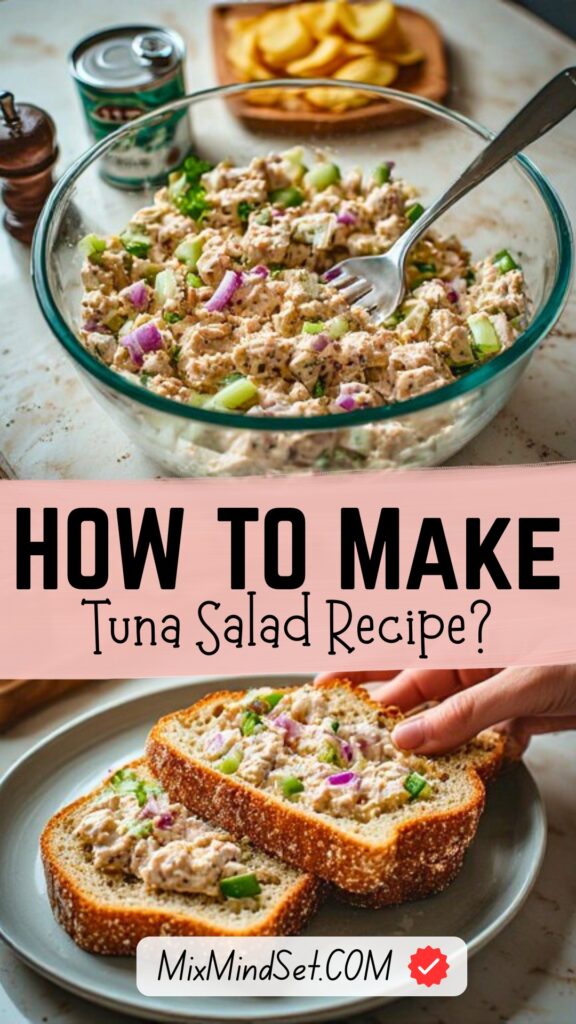
- Tuna salad lettuce wraps – 1 can tuna (in water) mixed with plain Greek yogurt and mustard. Scoop into butter lettuce leaves.
- Mediterranean chickpea salad – Chickpeas, cucumber, tomatoes, red onion (small amount), feta, olive oil, oregano.
- Egg salad on whole grain bread – 2 hard-boiled eggs mashed with 1 tbsp plain yogurt and mustard.
- Roasted vegetable & hummus plate – Roasted zucchini, bell peppers, eggplant with ¼ cup hummus and ½ cup cooked barley.
Dinner Ideas (9 Ideas)
Dinner should include a lean protein and at least two vegetable servings.
- Baked salmon with roasted Brussels sprouts – 5 oz salmon, 1 cup Brussels sprouts (halved), ½ cup quinoa.
- Turkey & kale meatballs – 4 meatballs over zucchini noodles with no-sugar-added marinara.
- Chicken & vegetable stir-fry – 4 oz chicken breast, 1 cup broccoli, ½ cup snap peas, low-sodium tamari. Serve with ½ cup brown rice.
- Lentil shepherd’s pie – Lentil-mushroom filling topped with mashed cauliflower and sweet potato.
- Grilled shrimp skewers – 5 large shrimp, 1 cup grilled asparagus, ½ cup cooked farro.
- Black bean & sweet potato chili – 1 cup chili made with black beans, sweet potatoes, diced tomatoes, chili powder.
- Baked cod with lemon & dill – 5 oz cod, 1 cup steamed green beans, ½ cup brown rice.
- Stuffed bell peppers – Bell pepper filled with ground turkey, brown rice, and diced tomatoes.
- Tofu & broccoli sheet pan – Cubed tofu, broccoli florets, sesame oil, baked. Serve with ½ cup quinoa.
Snack Ideas (7 Ideas)
Smart snacks keep energy steady and prevent overeating at meals.
- Apple slices (½ medium) with 1 tbsp peanut butter
- Handful of almonds (12) + 1 small orange
- Hard-boiled egg sprinkled with paprika
- Low-fat cottage cheese (½ cup) with cucumber slices
- Baby carrots with 2 tbsp hummus
- Plain Greek yogurt (½ cup) with 5 strawberries
- Whole grain rice cake with mashed avocado
- Small handful of pumpkin seeds + 1 light cheese stick
3 Complete High Blood Pressure Recipes (Numbered)
Recipe 1: Potassium-Packed Sweet Potato & Black Bean Bowl
This bowl delivers over 1,000 mg of potassium — nearly 30% of your daily need.
Ingredients:
| Ingredient | Amount |
|---|---|
| Sweet potato (cubed) | 1 medium |
| Black beans (rinsed, no salt added) | ½ cup |
| Quinoa (cooked) | ¾ cup |
| Avocado | ¼ medium |
| Fresh cilantro | 2 tbsp |
| Lime juice | 1 tbsp |
| Cumin | ¼ tsp |
| Olive oil | 1 tsp |
Instructions:
- Preheat oven to 400°F (200°C). Toss sweet potato cubes with olive oil and cumin. Roast for 20 minutes until tender.
- In a bowl, layer quinoa, black beans, and roasted sweet potato.
- Top with avocado slices, cilantro, and a squeeze of lime juice.
- Serve warm or at room temperature.
Nutritional Facts (per serving):
| Nutrient | Amount |
|---|---|
| Calories | 510 |
| Protein | 18g |
| Carbohydrates | 78g |
| Fiber | 18g |
| Sodium | 120mg |
| Potassium | 1,150mg |
| Magnesium | 120mg |
Recipe 2: Lemon Garlic Salmon with Roasted Asparagus
Omega-3 rich salmon helps reduce inflammation and supports healthy blood pressure.
Ingredients:
| Ingredient | Amount |
|---|---|
| Salmon fillet | 5 oz |
| Asparagus (trimmed) | 1 cup |
| Lemon juice | 2 tbsp |
| Garlic (fresh, minced) | 1 clove |
| Olive oil | 1 tbsp |
| Dried dill | ½ tsp |
| Black pepper | To taste |
| Quinoa (cooked) | ½ cup |
Instructions:
- Preheat oven to 400°F (200°C). Line a baking sheet with parchment.
- Place salmon and asparagus on the sheet. Drizzle with olive oil and lemon juice.
- Sprinkle salmon with garlic, dill, and pepper. Toss asparagus to coat.
- Bake for 12-15 minutes until salmon flakes easily.
- Serve with ½ cup quinoa.
Nutritional Facts (per serving):
| Nutrient | Amount |
|---|---|
| Calories | 490 |
| Protein | 38g |
| Carbohydrates | 28g |
| Fiber | 6g |
| Sodium | 95mg |
| Potassium | 950mg |
| Omega-3s | ~2g |
Recipe 3: Beet & Spinach Salad with Walnuts
Beets contain natural nitrates that widen blood vessels, lowering pressure within hours.
Ingredients:
| Ingredient | Amount |
|---|---|
| Cooked beets (sliced or cubed) | 1 medium |
| Fresh spinach | 2 cups |
| Walnuts (chopped) | 1 tbsp |
| Goat cheese or feta (optional) | 1 tbsp |
| Orange segments | ½ orange |
| Balsamic vinegar | 1 tbsp |
| Olive oil | 1 tsp |
Instructions:
- If using raw beets, roast or boil until tender (about 45 minutes). Let cool, then peel and slice.
- In a large bowl, combine spinach, beets, orange segments, walnuts, and cheese.
- Whisk together balsamic vinegar and olive oil. Drizzle over salad.
- Toss gently and serve immediately.
Nutritional Facts (per serving):
| Nutrient | Amount |
|---|---|
| Calories | 240 |
| Protein | 7g |
| Carbohydrates | 18g |
| Fiber | 6g |
| Sodium | 160mg (without added salt) |
| Potassium | 650mg |
| Nitrates (from beets) | ~200mg |
5 Common Mistakes on a High Blood Pressure Diet
1. Focusing only on salt reduction.
Cutting sodium is important, but increasing potassium, magnesium, and calcium is equally powerful. Solution: Add a potassium-rich food (banana, potato, beans) to every meal.
2. Buying “low sodium” processed foods that are still high in fat or sugar.
Low-sodium frozen dinners or soups often replace salt with sugar or unhealthy fats. Solution: Cook from scratch when possible, or read labels carefully.
3. Ignoring portion sizes of healthy fats.
Nuts, avocado, and olive oil are heart-healthy, but they’re calorie-dense. Overeating them can lead to weight gain, which raises blood pressure. Solution: Stick to 1 oz of nuts (about ¼ cup) or ¼ avocado per serving.
4. Drinking too much caffeine or alcohol.
Three cups of coffee can temporarily spike pressure. More than one drink daily for women (two for men) raises baseline pressure. Solution: Limit coffee to 1-2 cups. Choose alcohol-free days.
5. Expecting overnight results.
Blood pressure responds quickly to diet changes — often within 2 weeks — but full benefits take 4-6 weeks of consistency. Solution: Track your readings weekly, not daily, to see the trend.
Frequently Asked Questions
How quickly will my blood pressure drop on this diet?
Many people see a drop of 5-10 mmHg in systolic pressure within 2 weeks. For some, it takes 4 weeks. The more strictly you follow the plan (especially sodium below 1,500 mg), the faster the results.
Do I need to cut out all salt completely?
No. Your body needs some sodium to function. The goal is to reduce excess sodium, especially from processed foods. Cooking at home with minimal salt and using herbs/spices instead is the best approach.
Can I still eat red meat?
Yes, but limit it. Choose lean cuts (sirloin, tenderloin) and keep portions to 3-4 oz. Aim for no more than once or twice per week. Replace red meat with fish, poultry, or beans most days.
Is coffee allowed?
Moderate coffee (1-2 cups daily) is fine for most people. If you have very high pressure or caffeine sensitivity, switch to decaf. Monitor your readings — some people see a 5-10 mmHg spike after caffeine.
What about dark chocolate?
Dark chocolate (70% cocoa or higher) in small amounts (1 square, about 0.5 oz) contains flavonoids that may help lower pressure. Just watch the sugar and calories.
Can this diet replace my blood pressure medication?
Never stop or adjust medication without your doctor’s approval. For many people, diet and exercise can reduce the need for medication or lower the dose. Work with your doctor to monitor your numbers and adjust meds accordingly.
Sample 1-Day High Blood Pressure Meal Plan
| Meal | Food | Sodium (approx) |
|---|---|---|
| Breakfast | Oatmeal with banana & walnuts (no salt added) | 10 mg |
| Morning snack | 1 apple + 1 tbsp peanut butter | 5 mg |
| Lunch | Quinoa & black bean bowl (homemade) | 120 mg |
| Afternoon snack | Handful of almonds + 1 orange | 5 mg |
| Dinner | Baked salmon with roasted asparagus and quinoa | 95 mg |
| Evening snack | ½ cup plain Greek yogurt with berries | 60 mg |
| Total | ~295 mg (well below 1,500 mg target) |
Final Thoughts
Lowering your blood pressure doesn’t require a complete life overhaul. Start with one swap today: replace white rice with quinoa. Add spinach to your omelette. Snack on almonds instead of chips. Drink water instead of soda.
Within a few weeks, you’ll likely notice more energy, better sleep, and lower numbers on the monitor. And here’s the best part — the same diet that lowers blood pressure also protects your heart, brain, and kidneys for decades to come.
Your blood pressure is not a life sentence. It’s a number you can change, starting with your next meal.
Disclaimer: This article is for informational purposes only and does not constitute medical advice. If you have high blood pressure, heart disease, kidney disease, or take blood pressure medications, consult your doctor before making significant dietary changes. Do not stop or adjust medications without medical supervision.