41+ Healthy Menopausal Diet Meal Plan
Menopause is not an illness. But the hot flashes, night sweats, brain fog, weight creep, and mood swings can make you feel like a stranger in your own body. The good news? You don’t have to suffer through it. What you eat during menopause can be your most powerful ally.
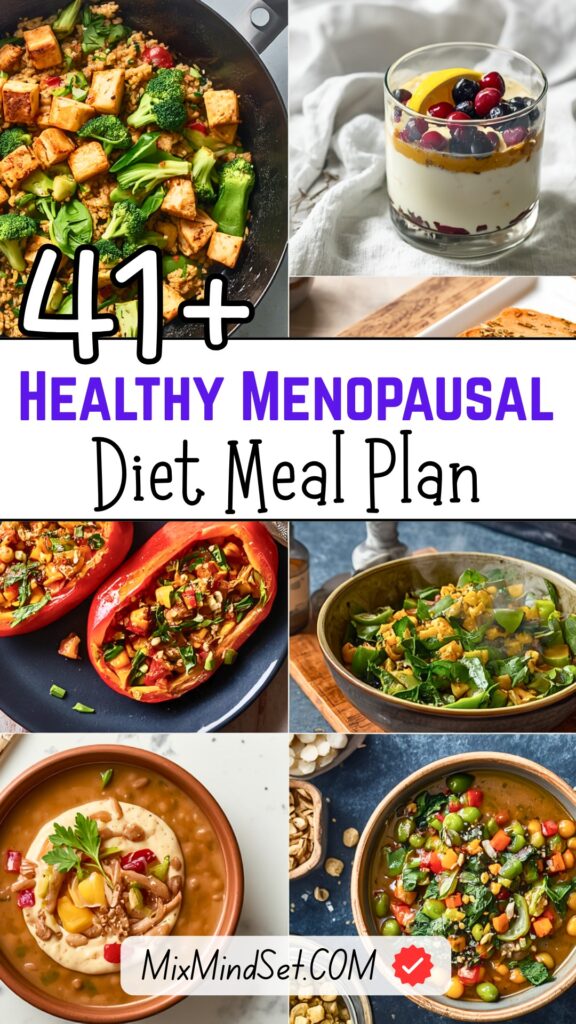
A well-planned menopausal diet helps cool hot flashes, support bone density, stabilize blood sugar, and protect your heart — all while keeping you energized and satisfied. And no, you don’t need to eat weird superfoods or starve yourself.
This guide gives you over 41 practical, delicious meal ideas, three complete recipes, and a flexible 7-day meal plan designed specifically for women in perimenopause and menopause. Every idea focuses on whole foods, healthy fats, plant estrogens, and key nutrients like calcium, magnesium, and omega-3s.
Why Your Nutritional Needs Change During Menopause?
As estrogen levels drop, your body responds differently to food. Understanding these changes helps you eat smarter.
The 5 Big Shifts
- Metabolism slows – Muscle mass naturally decreases with age, lowering your resting metabolic rate. You may need 200-300 fewer calories per day than in your 30s.
- Bone loss accelerates – Estrogen protects bone density. After menopause, women can lose up to 20% of bone mass, increasing fracture risk.
- Insulin sensitivity decreases – Your body may struggle to process carbohydrates efficiently, leading to belly fat storage.
- Hot flashes & night sweats – Fluctuating hormones affect your body’s thermostat. Certain foods (spicy, caffeine, alcohol) trigger symptoms; others (soy, flax, cooling veggies) help.
- Heart disease risk rises – Lower estrogen is linked to higher LDL cholesterol and blood pressure. Diet becomes critical for cardiovascular protection.
Key Nutrients for Menopause
| Nutrient | Why You Need It | Best Food Sources |
|---|---|---|
| Calcium | Slows bone loss; 1,200 mg daily after age 50 | Low-fat dairy, fortified plant milks, leafy greens, canned sardines (with bones) |
| Vitamin D | Helps absorb calcium; supports mood | Sunlight, fatty fish, fortified foods, supplement (800-1,000 IU daily) |
| Magnesium | Reduces hot flashes; improves sleep; supports bone health | Pumpkin seeds, almonds, spinach, black beans, dark chocolate |
| Omega-3 fatty acids | Reduces inflammation; may lessen hot flash frequency | Salmon, sardines, walnuts, flaxseeds, chia seeds |
| Phytoestrogens | Plant compounds that weakly mimic estrogen; may ease symptoms | Soy (tofu, edamame), flaxseeds, sesame seeds, oats, berries |
| Fiber | Helps manage weight; lowers cholesterol; prevents constipation | Oats, beans, lentils, berries, apples, broccoli |
| Protein | Preserves muscle mass; keeps you full | Eggs, poultry, fish, tofu, Greek yogurt, lentils |
Key fact: A 2019 study found that women who followed a Mediterranean diet rich in vegetables, fruits, whole grains, and olive oil had 50% fewer hot flashes and better quality of life during menopause.
Menopause-Friendly Foods: Eat Freely vs. Limit
Use this table as your daily guide.
Eat Freely (Alkaline, Cooling, Nutrient-Dense)
| Category | Best Choices |
|---|---|
| Vegetables | Leafy greens (spinach, kale), broccoli, cauliflower, zucchini, bell peppers, cucumber, celery, carrots, asparagus |
| Fruits | Berries (blueberries, strawberries), apples, pears, oranges, kiwi, cherries, pomegranate |
| Whole grains | Oats, quinoa, brown rice, barley, buckwheat, whole wheat bread |
| Lean protein | Chicken, turkey, fish (salmon, sardines, cod), eggs, tofu, edamame, lentils, beans |
| Healthy fats | Olive oil, avocado, nuts (walnuts, almonds), seeds (flax, chia, pumpkin) |
| Dairy & alternatives | Low-fat milk, low-fat Greek yogurt, fortified soy milk, almond milk |
| Herbs & spices | Turmeric, ginger, cinnamon, garlic, oregano, rosemary |
| Beverages | Water, herbal tea (chamomile, peppermint, red raspberry leaf), green tea (limited) |
Limit or Avoid (Common Triggers)
| Category | Limit/Avoid | Why |
|---|---|---|
| Spicy foods | Hot peppers, curry, chili | Can trigger hot flashes |
| Caffeine | Coffee, black tea, energy drinks | Worsens night sweats and anxiety |
| Alcohol | Wine, beer, liquor | Triggers hot flashes; disrupts sleep |
| Added sugar | Soda, candy, pastries, sweetened yogurt | Promotes belly fat and inflammation |
| Refined carbs | White bread, white rice, crackers | Spike blood sugar, worsen energy crashes |
| High-sodium foods | Processed meats, canned soups, salty snacks | Increases blood pressure and bloating |
| Saturated fats | Fatty red meat, butter, full-fat dairy, coconut oil | Raises cholesterol and inflammation |
41+ Healthy Menopausal Diet Meal Ideas (By Meal)
Here are over 41 practical, delicious ideas you can rotate throughout the week. Each idea is designed to support hormone balance, energy, and weight management.
Breakfast Ideas (10 Ideas)
Start your day with protein, fiber, and healthy fats to stabilize blood sugar.
- Flaxseed oatmeal – ½ cup rolled oats cooked with low-fat milk. Top with 1 tbsp ground flaxseed, ½ cup blueberries, and 1 tbsp chopped walnuts.
- Tofu scramble – Crumbled firm tofu sautéed with turmeric, spinach, and cherry tomatoes. Serve with 1 slice whole grain toast.
- Greek yogurt parfait – ¾ cup plain low-fat Greek yogurt, ½ cup mixed berries, 1 tbsp chia seeds, 2 tbsp low-sugar granola.
- Green smoothie – 1 cup spinach, ½ frozen banana, ½ cup frozen mango, 1 tbsp flaxseed, 1 cup unsweetened almond milk.
- Avocado & egg toast – 1 slice whole grain bread, ¼ mashed avocado, 1 poached egg, sprinkle of red pepper flakes (skip if sensitive).
- Chia seed pudding – 3 tbsp chia seeds + 1 cup coconut milk + ½ tsp vanilla. Refrigerate overnight. Top with sliced kiwi and pumpkin seeds.
- Quinoa breakfast bowl – ½ cup cooked quinoa, ½ cup unsweetened almond milk, ½ cup raspberries, 1 tbsp slivered almonds, cinnamon.
- Savory sweet potato hash – Diced sweet potato, bell peppers, onion, sautéed in olive oil. Top with 2 fried eggs.
- Apple cinnamon oats – Oats cooked with diced apple, cinnamon, and a drizzle of maple syrup. Top with Greek yogurt.
- Cottage cheese bowl – ½ cup low-fat cottage cheese, ½ cup sliced peaches (in juice), 1 tbsp hemp seeds.
Lunch Ideas (12 Ideas)
Keep lunches balanced with lean protein, colorful vegetables, and whole grains.
- Quinoa & chickpea salad – 1 cup cooked quinoa, ½ cup chickpeas, cucumber, tomatoes, parsley, lemon- olive oil dressing.
- Leftover salmon & roasted vegetables – Flaked wild salmon over mixed greens with balsamic vinaigrette.
- Turkey & avocado wrap – Whole wheat tortilla, 3 oz sliced turkey, ¼ avocado, spinach, mustard.
- Lentil & vegetable soup – 1.5 cups homemade lentil soup (carrots, celery, kale). Side of whole grain crackers.
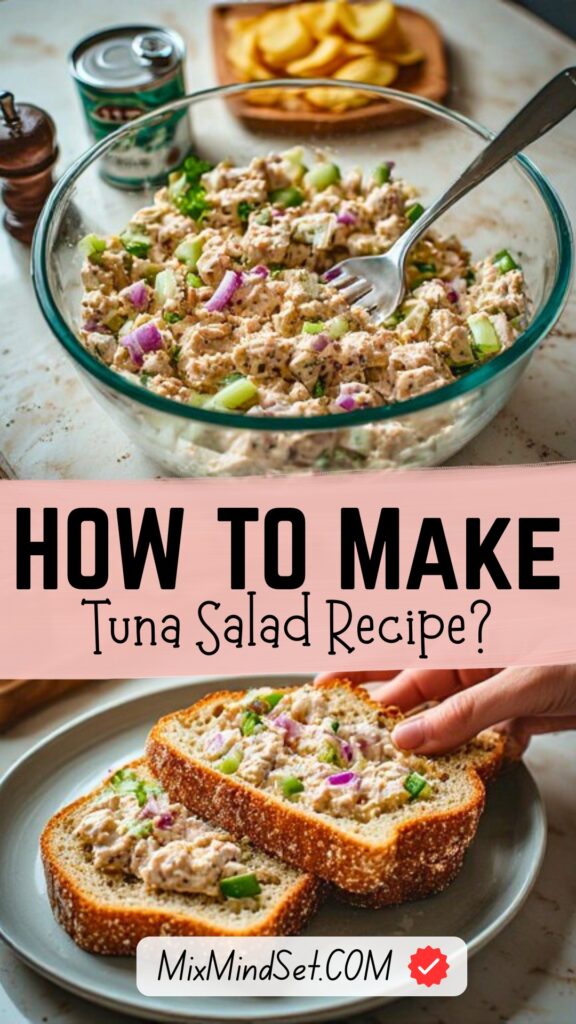
- Tuna salad lettuce wraps – 1 can tuna (in water) mixed with Greek yogurt and diced celery. Serve in butter lettuce cups.
- Mediterranean chickpea bowl – Chickpeas, cucumber, cherry tomatoes, red onion, feta, olives, olive oil, oregano.
- Egg salad on whole grain bread – 2 hard-boiled eggs mashed with Greek yogurt and mustard. Side of carrot sticks.
- Roasted vegetable & hummus plate – Roasted zucchini, bell peppers, eggplant with ¼ cup hummus and ½ cup cooked farro.
- Black bean & corn salsa bowl – ½ cup black beans, ¼ cup corn, diced avocado, salsa, over ½ cup brown rice.
- Grilled chicken & kale salad – 3 oz grilled chicken, massaged kale, shredded carrots, sunflower seeds, lemon-tahini dressing.
- Zucchini noodles with pesto – Spiralized zucchini, 2 tbsp basil pesto (dairy-free), cherry tomatoes, pine nuts.
- Leftover tofu stir-fry – Over brown rice with extra steamed broccoli.
Dinner Ideas (12 Ideas)
Dinner is your chance to load up on vegetables and anti-inflammatory foods.
- Baked salmon with roasted Brussels sprouts – 5 oz wild salmon, 1 cup halved Brussels sprouts, olive oil, lemon, dill. Serve with ½ cup quinoa.
- Turkey & kale meatballs – 4 baked meatballs over zucchini noodles with no-sugar-added marinara.
- Chicken & vegetable stir-fry – 4 oz chicken breast, 1 cup broccoli, ½ cup snap peas, ginger, low-sodium tamari. Serve with ½ cup brown rice.
- Lentil shepherd’s pie – Lentil-mushroom filling topped with mashed cauliflower and sweet potato.
- Grilled shrimp skewers – 5 large shrimp, 1 cup grilled asparagus, ½ cup cooked farro.
- Black bean & sweet potato chili – 1 cup chili made with black beans, sweet potatoes, diced tomatoes, chili powder. Top with avocado.
- Baked cod with lemon & dill – 5 oz cod, 1 cup steamed green beans, ½ cup brown rice.
- Stuffed bell peppers – Bell pepper filled with ground turkey, brown rice, diced tomatoes, baked. Top with a sprinkle of low-fat cheese.
- Tofu & broccoli sheet pan – Cubed firm tofu, broccoli florets, sesame oil, baked. Serve with ½ cup quinoa.
- Hearty white bean & kale soup – Cannellini beans, kale, carrots, celery, low-sodium broth, rosemary.
- Grilled portobello mushroom burger – Large portobello cap marinated in balsamic, grilled, served on whole wheat bun with avocado and spinach.
- Vegetable curry with chickpeas – Light coconut milk, curry paste, chickpeas, cauliflower, spinach. Serve with brown rice.
Snack Ideas (7 Ideas)
Smart snacks prevent blood sugar dips that trigger hot flashes and irritability.
- Apple slices with 1 tbsp almond butter
- Handful of walnuts (10-12) + 5 strawberries
- Hard-boiled egg sprinkled with paprika
- Low-fat Greek yogurt (½ cup) with 1 tsp honey
- Baby carrots with 2 tbsp hummus
- Cucumber slices with ¼ avocado mash
- Dark chocolate (1 square, 70%+) + 10 almonds
- Roasted chickpeas – Toss canned chickpeas with olive oil and rosemary, bake at 400°F for 20 minutes.
3 Complete Menopause-Balancing Recipes (Numbered)
Recipe 1: Flaxseed & Berry Overnight Oats
Flaxseeds are rich in lignans, a type of phytoestrogen that can reduce hot flash frequency.
Ingredients:
| Ingredient | Amount |
|---|---|
| Rolled oats | ½ cup |
| Unsweetened almond milk | ¾ cup |
| Plain low-fat Greek yogurt | ¼ cup |
| Ground flaxseed | 1 tbsp |
| Frozen or fresh blueberries | ½ cup |
| Cinnamon | ¼ tsp |
| Walnuts (chopped, for topping) | 1 tbsp |
Instructions:
- In a mason jar or bowl, combine oats, almond milk, Greek yogurt, flaxseed, blueberries, and cinnamon.
- Stir well. Cover and refrigerate overnight (or at least 4 hours).
- In the morning, top with chopped walnuts. Eat cold or warm gently.
Nutritional Facts (per serving):
| Nutrient | Amount |
|---|---|
| Calories | 420 |
| Protein | 18g |
| Carbohydrates | 52g |
| Fiber | 13g |
| Sugar | 14g (natural) |
| Fat | 17g |
| Calcium | 25% DV |
| Omega-3s | ~2g |
Recipe 2: Bone-Building Salmon & Kale Salad
Rich in calcium, vitamin D, and omega-3s — a triple threat for menopausal bone health.
Ingredients:
| Ingredient | Amount |
|---|---|
| Wild salmon fillet | 5 oz |
| Fresh kale (stems removed, chopped) | 3 cups |
| Lemon juice | 2 tbsp |
| Olive oil | 2 tbsp |
| Pumpkin seeds | 1 tbsp |
| Dried cranberries (no sugar added) | 1 tbsp |
| Avocado (sliced) | ¼ medium |
| Garlic powder | ¼ tsp |
| Black pepper | To taste |
Instructions:
- Preheat oven to 400°F (200°C). Line a baking sheet with parchment.
- Place salmon on sheet. Drizzle with 1 tsp olive oil and 1 tsp lemon juice. Sprinkle with garlic powder and pepper.
- Bake for 12-15 minutes until salmon flakes easily.
- While salmon bakes, massage kale with remaining olive oil and lemon juice for 1-2 minutes until softened.
- Flake salmon over kale. Top with pumpkin seeds, cranberries, and avocado slices.
Nutritional Facts (per serving):
| Nutrient | Amount |
|---|---|
| Calories | 540 |
| Protein | 36g |
| Carbohydrates | 20g |
| Fiber | 7g |
| Sugar | 6g |
| Fat | 36g (mostly unsaturated) |
| Calcium | 15% DV |
| Vitamin D | 80% DV |
Recipe 3: Cooling Cucumber & Tofu Sesame Salad
No-cook, hydrating, and packed with plant-based protein and phytoestrogens.
Ingredients:
| Ingredient | Amount |
|---|---|
| Firm tofu (cubed) | ½ block (7 oz) |
| English cucumber (thinly sliced) | 1 |
| Rice vinegar (unseasoned) | 2 tbsp |
| Low-sodium tamari | 1 tbsp |
| Sesame oil | 1 tsp |
| Sesame seeds | 1 tsp |
| Fresh cilantro (chopped) | ¼ cup |
Instructions:
- Press tofu between paper towels to remove excess water. Cube into bite-sized pieces.
- In a bowl, whisk together rice vinegar, tamari, and sesame oil.
- Add tofu cubes, cucumber slices, and cilantro. Toss gently to coat.
- Sprinkle with sesame seeds. Serve chilled or at room temperature.
Nutritional Facts (per serving – half of recipe):
| Nutrient | Amount |
|---|---|
| Calories | 220 |
| Protein | 16g |
| Carbohydrates | 12g |
| Fiber | 3g |
| Sugar | 5g |
| Fat | 13g |
| Calcium | 25% DV |
| Phytoestrogens (isoflavones) | ~30 mg |
5 Common Menopause Diet Mistakes
1. Eating too little.
Many women cut calories drastically, fearing weight gain. But undereating slows metabolism further, triggers muscle loss, and worsens mood swings.
Solution: Eat enough to fuel your body — focus on nutrient density, not restriction.
2. Relying on processed “diet” foods.
Low-fat cookies, meal replacement bars, and diet frozen meals are often high in sugar, sodium, and additives.
Solution: Cook simple whole foods. A baked potato with Greek yogurt beats a frozen diet dinner.
3. Avoiding all carbohydrates.
Your brain needs carbs to produce serotonin (mood). Very low-carb diets can increase cortisol and worsen hot flashes.
Solution: Choose complex carbs like oats, quinoa, sweet potatoes, and beans. Pair with protein and fat.
4. Ignoring soy out of fear.
Some women worry that soy will “feed” estrogen-sensitive conditions. For most, whole soy (tofu, tempeh, edamame) is safe and beneficial.
Solution: Enjoy 1-2 servings of whole soy daily. Avoid isolated soy supplements.
5. Not drinking enough water.
Dehydration can trigger hot flashes and worsen constipation.
Solution: Aim for 8-10 cups of water daily. Herbal teas and water-rich foods (cucumber, melon, zucchini) count.
Frequently Asked Questions
Will eating soy really help with hot flashes?
Yes, for many women. A 2021 meta-analysis of 17 studies found that soy isoflavones reduced hot flash frequency by about 21% compared to placebo. The effect is modest but meaningful. Aim for 1-2 servings of whole soy daily (½ cup tofu, 1 cup edamame, or 1 cup soy milk).
Do I need to give up coffee completely?
Not necessarily. Caffeine triggers hot flashes in some women but not others. Try a 2-week break, then reintroduce 1 cup of half-caff in the morning. If symptoms don’t worsen, moderate intake (1 cup daily) is likely fine.
What’s the best diet for menopause weight gain?
A Mediterranean-style diet is most studied and effective. It emphasizes vegetables, fruits, whole grains, legumes, nuts, olive oil, and moderate fish. Combined with strength training (to preserve muscle), it helps manage weight without extreme restriction.
Can diet help with vaginal dryness?
Indirectly. Foods rich in healthy fats (avocado, nuts, seeds, fatty fish) support overall mucous membrane health. Staying hydrated is also critical. For direct relief, talk to your doctor about vaginal moisturizers or low-dose estrogen.
How much calcium do I really need?
After age 50, women need 1,200 mg of calcium daily. That’s about 3-4 servings of calcium-rich foods: 1 cup low-fat yogurt (300 mg), 1 cup fortified soy milk (300 mg), 1 cup cooked kale (100 mg), 1 oz cheese (200 mg). If you don’t reach this through food, consider a supplement (500-600 mg calcium citrate).
How long until I feel better on this diet?
Many women notice reduced hot flashes and better energy within 2-4 weeks. Bone density benefits take years. Mood and sleep often improve within 1-2 weeks. Keep a symptom diary to track your progress.
7-Day Healthy Menopausal Diet Meal Plan (Sample)
| Day | Breakfast | Lunch | Dinner | Snack |
|---|---|---|---|---|
| Monday | Flaxseed oatmeal with berries | Quinoa & chickpea salad | Baked salmon with roasted Brussels sprouts | Apple with almond butter |
| Tuesday | Tofu scramble + toast | Leftover salmon & kale salad | Turkey & kale meatballs with zucchini noodles | Handful of walnuts + strawberries |
| Wednesday | Greek yogurt parfait | Lentil & vegetable soup | Black bean & sweet potato chili | Hard-boiled egg |
| Thursday | Green smoothie | Turkey & avocado wrap | Baked cod with green beans & quinoa | Cucumber slices with hummus |
| Friday | Chia seed pudding | Leftover chili | Chicken & vegetable stir-fry | Dark chocolate + almonds |
| Saturday | Sweet potato hash + eggs | Tuna salad lettuce wraps | Grilled shrimp skewers with farro | Low-fat Greek yogurt |
| Sunday | Apple cinnamon oats | Leftover stir-fry | Tofu & broccoli sheet pan | Roasted chickpeas |
Final Thoughts
Menopause is not an end. It’s a beginning — a time to reset how you care for your body. The meals in this guide are not about restriction. They’re about abundance: more vegetables, more healthy fats, more flavor, more energy.
Start with one menopause-friendly meal today. Maybe it’s the flaxseed oatmeal. Maybe it’s the salmon salad. Notice how your body feels. Less bloating. Fewer hot flashes. Steadier energy.
You deserve to feel good in your skin at every stage of life. And the fork is your most powerful tool.
Your second act starts now — one delicious, hormone-loving bite at a time.
Disclaimer: This article is for informational purposes only and does not constitute medical advice. If you have severe menopausal symptoms, a history of breast cancer, or other medical conditions, consult your healthcare provider before making significant dietary changes. Hormone replacement therapy (HRT) is a personal decision to discuss with your doctor.