Why are my Monstera leaves turning Yellow?
Yellow Monstera leaves got you worried? Don't panic. This guide covers the most common reasons for yellow leaves—from overwatering and poor lighting to nutrient lack—and the simple fixes that actually work. #MonsteraCare #YellowLeaves #HouseplantHelp #IndoorGardening #PlantParent
I still remember the panic I felt when I saw the first yellow leaf on my Monstera. It was a huge, beautiful leaf, and suddenly it was pale and sad.
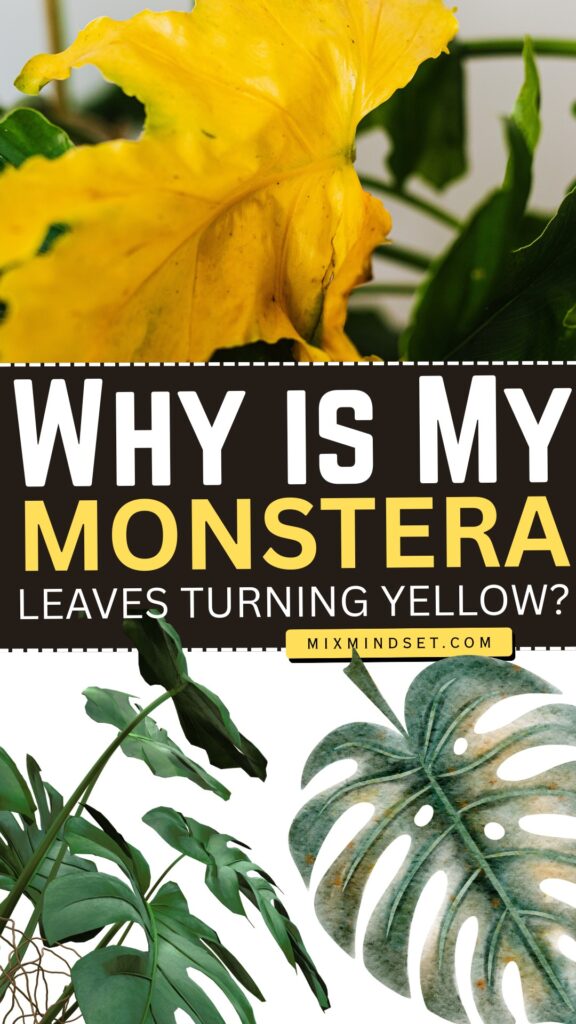
I thought I had killed my plant. But after some research and a lot of trial and error, I learned that yellow leaves are usually a cry for help, not a death sentence. Here’s everything I wish I had known back then to diagnose and fix the problem fast.
🍂 First, When Is It Actually OK?
Sometimes, a yellow leaf is nothing to worry about. Monstera plants naturally shed their oldest, lowest leaves as they grow new ones. If you only see one or two yellow leaves near the bottom of the plant, and the rest look healthy and green, it is likely just old age. You can simply snip those off, and your plant will be fine.
But if you see several yellow leaves, or if the yellowing is happening on new growth, then it is time to play plant detective.
🔍 The Suspects: Why Monstera Leaves Turn Yellow
Let me walk you through the most common reasons, from most likely to least likely.
1. 💧 Overwatering (The #1 Culprit)
Every expert agrees: overwatering is the most common reason for yellow Monstera leaves. Monsteras need oxygen at their roots. When the soil stays wet for too long, the roots can’t breathe. They start to drown and rot. A rotting root cannot take in nutrients, and the leaves turn yellow as a distress signal.
How to spot it:
- The yellow leaves are often older, lower leaves.
- The soil feels soggy and wet days after you last watered.
- The pot feels very heavy when you lift it. A waterlogged pot is surprisingly heavy.
- In bad cases, you might see brown or black spots on the leaves, and the stems may feel mushy.
Personal Experience: This was my biggest mistake. I loved my Monstera so much, I watered it every few days because I thought I was helping it grow. Within a month, half its leaves were yellow. I was suffocating my plant with kindness.
✂️ How to Fix It
First, stop watering immediately. Let the soil dry out completely.
- Check the soil: Stick your finger about 2 to 3 inches into the soil. If it feels wet, do not water.
- If it’s mild: Just let the soil dry out and wait longer between waterings. As a rule, let the top 50 to 75 percent of the soil dry out before watering again.
- If it’s severe (many yellow leaves): You need to repot. Gently take the plant out of its pot and look at the roots. Healthy roots are firm and white or pale. Rotten roots are brown, mushy, and may smell bad.
- Trim the rot: Use clean, sharp scissors to cut away all the mushy, rotten roots. Only leave the healthy white ones.
- Repot: Put the plant in fresh, dry, well-draining soil in a clean pot that has drainage holes. Do not water for a few days to let the cut roots heal.
2. 🏜️ Underwatering (The Opposite Problem)
It sounds strange, but not giving your Monstera enough water can also turn leaves yellow. While overwatered leaves turn all yellow, underwatered leaves often get dry, brown, and crispy on the edges first, and then the yellow spreads.
How to spot it:
- The soil feels bone dry and may even be pulling away from the sides of the pot.
- The pot feels very light when you lift it.
- The yellow leaves feel dry and brittle, not soft and mushy.
How to fix it: This is an easy fix. Just give your plant a thorough, deep watering. Water it until you see water flowing out of the drainage holes at the bottom. This ensures the water reaches the entire root ball.
My Golden Rule: It is almost always better to underwater a Monstera than to overwater it. They bounce back from a dry spell much faster than from root rot. When in doubt, wait a day.
3. ☀️ Light Problems: Too Much or Too Little
Your Monstera is a tropical plant that lives on the jungle floor. That means it is used to bright, indirect light. Direct sunlight or deep shade will both cause problems.
Too little light: If your Monstera is in a dark corner, it cannot photosynthesize enough “food” to stay green. The leaves will turn a pale, sickly yellow, and the spaces between the leaf holes (fenestrations) may not develop properly.
Too much light: Direct, hot sunlight can scorch the leaves. This looks like yellow or brown patches, almost like a sunburn. The yellowing may be patchy, not even.
How to fix it: Move your plant to a spot with bright, indirect light. An east-facing window is perfect. A few feet away from a south or west-facing window also works great.
4. 🌡️ Temperature Stress
Monsteras are not fans of sudden changes. They are happiest in temperatures between 60°F and 85°F (15°C to 29°C).
How to spot it:
- If temperatures drop below 50°F (10°C), your plant may stop growing and its leaves can turn yellow.
- If it gets near freezing, the leaves will die.
- Very hot temperatures above 90°F (32°C) can also stress the plant and cause yellowing.
- Placing it near a drafty window in winter, a cold air conditioner, or a hot radiator can all cause yellow leaves.
How to fix it: Move your plant to a place with stable, comfortable temperatures. Keep it away from drafty doors and windows in the winter, and away from direct heat vents and cold drafts in the summer.
5. 💨 Low Humidity
Monsteras are tropical plants that love humid air. Our homes, especially in winter, can be very dry. This low humidity can cause the leaf edges to turn brown and crispy first, then yellow.
How to fix it:
- Mist your plant: Lightly spray the leaves with water every few days.
- Use a pebble tray: Place your pot on a tray filled with pebbles and water. As the water evaporates, it creates humidity around the plant.
- Get a humidifier: This is the best solution, especially if your home is very dry.
- Group plants together: Plants release moisture, so grouping them creates a more humid microclimate.
6. 🍽️ Nutrient Deficiency (A Hungry Plant)
Monsteras are fast growers and can quickly use up the nutrients in their potting soil. If you have not fertilized in over a year, your plant may be hungry. A common sign is a nitrogen deficiency, which causes the older, lower leaves to turn yellow first. Other deficiencies can cause yellowing between the leaf veins.
How to fix it: Feed your plant! During the spring and summer growing season, use a balanced liquid fertilizer (like a 20-20-20 or a 3-1-2 ratio) at half the recommended strength, about once a month. Do not fertilize in the fall and winter when the plant is resting.
🟢 My Natural Fix: I personally use a very mild, organic liquid fertilizer that has worm castings in it. Worm castings are a gentle, natural fertilizer that is hard to overdo. It is like a superfood smoothie for my plants, and I have not seen a yellow leaf from hunger since I started using it.
7. 🐜 Pests
Tiny bugs like spider mites, thrips, or scale insects can suck the sap right out of your Monstera’s leaves, causing them to turn yellow and look sickly. Look closely at the leaves, especially the undersides, for any tiny moving specks, webbing, or small brown bumps.
How to fix it:
- Isolate the plant immediately so the bugs do not spread to your other plants.
- Wipe the leaves down with a soapy water mix (a few drops of mild dish soap in a spray bottle).
- For bigger infestations, use neem oil or an insecticidal soap according to the package directions.
8. 🌱 Root-Bound or Compacted Soil
If your Monstera has been in the same pot for years, its roots may have filled the entire container. This is called being “root-bound.” When the roots get too crowded, they cannot effectively absorb water and nutrients, which leads to yellow leaves.
How to spot it:
- Roots are visibly growing out of the drainage hole at the bottom of the pot.
- The plant dries out very quickly, an hour after you water it.
- The plant is top-heavy and has stopped growing.
How to fix it: Repot your Monstera into a pot that is 1 to 2 inches larger in diameter with fresh, well-draining soil. Gently loosen the roots before putting it in its new home.
✨ Quick Reference Guide: Match the Pattern to the Problem
Here is a cheat sheet I keep on my phone to help me diagnose yellow leaves fast.
| The Problem | What the Leaf Looks Like | What the Soil Feels Like |
|---|---|---|
| Overwatering (most common) | Entire leaf turns soft, pale yellow. Often lower leaves first. | Soggy, wet, and heavy. |
| Underwatering | Leaf edges are brown, dry, and crispy. The yellow starts at the edges. | Very dry, hard, and light. |
| Too Little Light | Pale, sickly yellow. The spaces between leaf holes may not develop. | Could be fine. Plant looks weak overall. |
| Too Much Light | Yellow or brown patches, like a burn. Often on leaves facing the window. | Could be fine. |
| Low Humidity | Leaf tips and edges turn brown and crispy, then yellow. | Could be fine. |
| Nutrient Deficiency | General yellowing, starting with older, lower leaves. | Could be fine, but plant has not been fed in a long time. |
| Pests | Yellow speckles or spots. You might see tiny bugs or webbing. | Could be fine. |
✂️ What to Do With the Yellow Leaves
Once a leaf has turned mostly yellow, it will not turn green again. Those yellow leaves are just sucking energy from the rest of the plant. My advice is to cut them off.
Use a clean, sharp pair of scissors or pruning shears. Cut the yellow leaf’s stem as close to the main plant’s base as you can without cutting into the main stem. This will make your plant look much better and let it focus its energy on growing beautiful new green leaves.
📋 My Final Golden Rules for a Happy, Green Monstera
After killing one plant and reviving two others, here are the rules I live by now.
- Don’t water on a schedule. Check the soil with your finger before you water. When the top 2-3 inches are dry, it is time to water.
- Use well-draining soil. Regular potting soil is too heavy. Mix in perlite, orchid bark, or coco coir so the water flows right through.
- Give it bright, indirect light. A few feet away from a sunny window is its happy place.
- Wipe the leaves. Monstera leaves are big and collect dust. Wipe them down gently with a damp cloth every few weeks so they can soak up all the light they need.
- Don’t panic. A few yellow leaves are a sign to pay attention, not to give up. Every plant parent goes through this. Learn from it, and your plant will be even stronger. I know mine are.
Your Monstera wants to live. You just need to listen to what it is telling you. With a little observation and these simple fixes, you will have those big, beautiful green leaves back in no time.