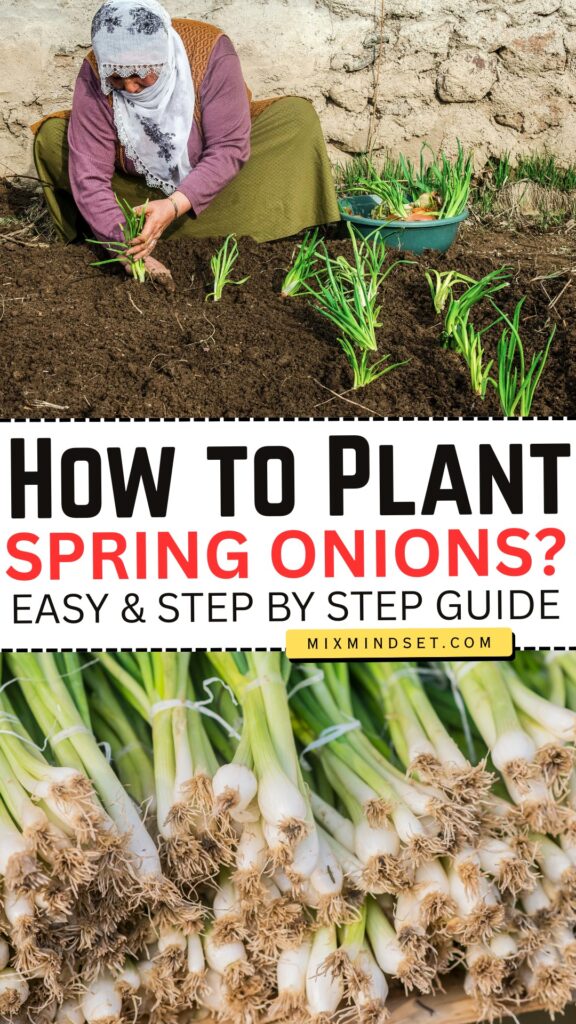
How to Plant Spring Onions?
Learning how to plant spring onions is one of the best first steps you can take in growing your own food. Spring onions are fast, easy, and incredibly useful in the kitchen. Whether you grow them in a pot on your windowsill or a full garden bed, spring onion growing from seed or sets is simple enough for complete beginners. I have grown them every year for over a decade. #SpringOnions #GrowYourOwn #VegetableGardening #BeginnerGardening #KitchenGarden
What Are Spring Onions?
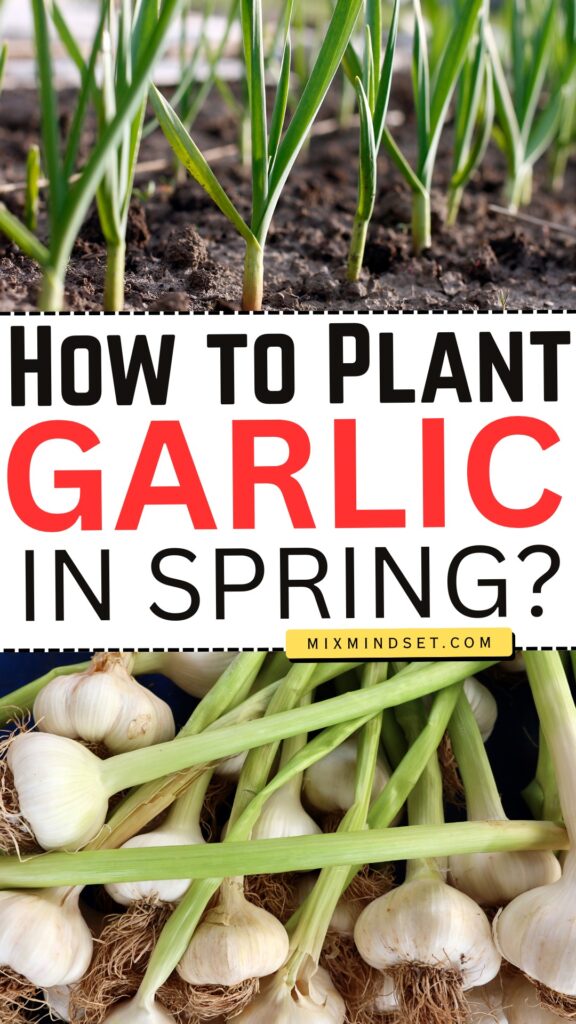
Spring onions are young onions harvested before the bulb fully develops. They have a long green stem and a small white or slightly rounded base. Both parts are edible and useful in cooking — the green tops are mild and grassy, the white base is sharper and more onion-like.
They go by different names depending on where you live. You might know them as scallions, green onions, salad onions, or bunching onions. They are all essentially the same thing — a young onion pulled while the tops are still green.
I use spring onions in almost everything. Stir fries, soups, salads, scrambled eggs, baked potatoes — there is barely a meal in my house that does not have at least a few of these chopped over the top.
Why Spring Onions Are Perfect for Beginners
If you have never grown vegetables before, spring onions are the place to start. Here is why:
- They grow fast — ready to harvest in as little as 6–8 weeks from seed
- They take up almost no space — perfect for pots, window boxes, and small gardens
- They need very little care once planted
- They can be grown indoors all year round on a sunny windowsill
- Seeds are cheap and widely available
- They produce a continuous harvest if you pick them the right way
- Mistakes are low-risk — if one batch fails, you can resow within days and be back on track quickly
My very first vegetable was a spring onion. I grew it in a yogurt pot on my kitchen windowsill when I lived in a small flat with no outdoor space. It worked, and that small success gave me the confidence to try everything else.
Best Time to Plant Spring Onions
Spring onions are cool-season vegetables. They prefer mild temperatures and do not do well in strong summer heat, which causes them to bolt (go to seed) and turn tough and bitter.
Outdoor Planting Times
| Season | When to Sow | What to Expect |
|---|---|---|
| Early spring | February–March (under cover) | Ready late spring |
| Main spring sowing | March–May (direct outdoors) | Ready summer |
| Late summer sowing | July–August | Ready autumn |
| Autumn sowing | September–October | Overwinter, harvest early spring |
The most productive approach is to sow a small batch every 3–4 weeks from early spring through late summer. This gives you a steady supply rather than one big glut. Gardeners call this succession sowing and it is one of the simplest tricks that makes a real difference.
I learned succession sowing by accident. I forgot to sow one spring and only planted one big batch in May. We had more spring onions than we could possibly eat for three weeks and then none for the rest of the summer. Now I set a reminder every three weeks and sow a short row each time.
Can You Plant Spring Onions in Summer?
Yes, but with caution. Hot weather makes spring onions bolt quickly. If you are sowing in summer, choose a spot with afternoon shade and water more consistently to keep the soil cool. Varieties bred for heat tolerance work much better than standard types in warm conditions.
Can You Grow Spring Onions in Winter?
Outdoors in cold climates, winter growing is tricky without protection. But indoors on a sunny windowsill or under a simple grow light, spring onions grow happily through the coldest months. In mild climates with temperatures staying above 25°F (-4°C), some cold-hardy varieties survive outdoors under frost cloth.
Choosing the Right Variety
Not all spring onions are the same. These are the most reliable and widely available varieties:
| Variety | Best For | Special Notes |
|---|---|---|
| ‘White Lisbon’ | All-round growing, beginners | Most popular variety, very reliable |
| ‘Ishikura’ | Long straight stems | Japanese bunching type, great for Asian cooking |
| ‘North Holland Blood Red’ | Colour and flavour | Striking red-purple base, slightly stronger taste |
| ‘Guardsman’ | Cold weather growing | Good winter hardiness |
| ‘Feast F1’ | Hot weather | Bolt-resistant, good for summer sowing |
| ‘Deep Purple’ | Ornamental and edible | Beautiful colour, mild flavour |
I have grown ‘White Lisbon’ almost every year and it has never once let me down. Reliable, fast, and tasty. It is the variety I recommend to anyone just starting out.
Where to Plant Spring Onions
Sunlight
Spring onions prefer full sun — at least 6 hours of direct sunlight per day. They will grow in partial shade but the stems will be thinner and the growth slower. If you are growing indoors, a south-facing windowsill is ideal.
Soil
Spring onions are not fussy about soil but they do best in:
- Well-draining, loose soil
- Slightly rich in organic matter
- pH between 6.0 and 7.0 (neutral to slightly acidic)
If your soil is heavy clay, mix in some compost and coarse sand before sowing. Compacted, waterlogged soil causes root rot and stunted growth.
Containers and Pots
Spring onions are genuinely one of the best vegetables for container growing. Any container at least 6 inches deep with drainage holes at the bottom works well. I have grown them in:
- Terracotta pots
- Old colanders lined with fabric
- Wooden window boxes
- Deep plastic trays
- Even a pair of old rubber boots with holes punched in the bottom
The rubber boot planter was a gift from a neighbour who thought it was funny. It grew excellent spring onions and now sits on my doorstep every spring.
How to Plant Spring Onions From Seed
Growing from seed is the most common and cost-effective method. Here is exactly what I do every time.
What You Need
- Spring onion seeds
- Seed compost or multi-purpose compost
- Container or prepared garden bed
- Watering can with a fine rose head
- Labels and a pencil (you will forget what you planted otherwise — trust me)
Step 1: Prepare Your Soil or Container
If planting outdoors, loosen the soil to about 6 inches deep and rake it to a fine, crumbly texture. Remove any stones or large clumps. Mix in a little compost if the soil looks tired.
If using a container, fill it to within an inch of the top with good quality compost. Water it gently before sowing so the soil is moist but not soggy.
Step 2: Make Shallow Drills or Scatter Sow
You have two options for sowing spring onions:
Option A — Rows (drills): Use a stick, pencil, or the edge of a ruler to draw a shallow line about half an inch deep across the soil. Space rows about 4 inches apart if you are planting multiple rows.
Option B — Scatter sowing: Sprinkle seeds evenly across the surface of the container or bed. This works especially well in pots and gives a natural, dense look.
I use scatter sowing in containers because it fills the pot more efficiently and looks nicer on a patio or windowsill.
Step 3: Sow the Seeds
Sprinkle seeds thinly along the drill or across the scattered area. Try to space them about half an inch apart but do not stress about precision — spring onions can grow quite densely and any that are too close can be thinned out later.
Cover seeds with a thin layer of soil or compost — about a quarter of an inch is enough. Pat gently to ensure good contact between seed and soil.
Step 4: Water Carefully
Water gently using a fine rose on your watering can. A heavy splash can wash seeds to one corner of the pot or wash them out of their drills entirely. I made this mistake with my very first sowing and ended up with all my seeds crammed into one corner of the tray.
Keep the soil consistently moist until seeds germinate — usually 7–14 days depending on temperature.
Step 5: Label Your Planting
Write the variety name and date on a label and push it into the soil. It sounds overly organised but when you have three or four things growing at once, you will thank yourself later.
Step 6: Thin Seedlings if Needed
Once seedlings are about 2 inches tall, thin them if they are very crowded — pull out the weakest ones to leave the stronger plants about an inch apart. The thinnings are completely edible and taste delicious in salads.
How to Plant Spring Onions From Sets
Sets are small, pre-grown bulb starts rather than seeds. They are faster than seeds — usually ready to harvest in 4–6 weeks — and extremely easy to plant.
How to plant sets:
- Push each set gently into the soil with the pointed tip facing upward
- Plant so the tip is just at soil level or barely poking out
- Space sets about 1 inch apart
- Water in well after planting
Sets are more expensive than seeds but the speed and simplicity make them worth it for anyone who wants results fast. I use sets when I want a quick crop to fill a gap between other plantings.
How to Regrow Spring Onions From Kitchen Scraps
This is one of the best-known tricks in kitchen gardening and it genuinely works.
What to do:
- After using spring onions from the shop, leave the bottom inch or two of the white root attached
- Stand the root ends upright in a glass with about an inch of water covering the roots
- Place on a sunny windowsill
- Change the water every day or two
- Watch new green shoots appear within 48–72 hours
You can harvest the new green tops repeatedly before the roots eventually exhaust themselves. For longer-term growing, transfer the roots into a small pot of compost after the first regrowth.
I showed this trick to my nephew who was eight years old at the time. He ran home, planted three spring onion bottoms in a glass of water on his windowsill, and texted me a photo of his new green shoots two days later absolutely buzzing with excitement. That is what I love about spring onions — they give results fast enough to keep anyone interested.
Caring for Spring Onions After Planting
Spring onions are low-maintenance but a little attention goes a long way.
Watering
- Keep soil consistently moist but never waterlogged
- Water at the base rather than over the tops
- In summer, water more frequently — spring onions in dry soil become tough and pungent
- In pots, check daily in warm weather as containers dry out much faster than garden beds
Feeding
Spring onions grown in good compost do not need much feeding. If plants look pale or growth seems very slow, a light feed with a balanced liquid fertiliser once every two weeks will help. Do not over-feed with high-nitrogen fertilisers — too much nitrogen pushes leaf growth at the expense of flavour.
Weeding
Keep the area around spring onions clear of weeds, especially when plants are young. Spring onion seedlings are slim and delicate and weeds can quickly crowd them out. Once plants are established they need less attention but a quick weed between rows every couple of weeks keeps things tidy.
Thinning
If you sowed densely, thin seedlings once they reach 2–3 inches tall. Pull the smallest or most crowded ones out — they are edible right now, just very tiny. Leaving plants too crowded means competition for nutrients and smaller final harvests.
When and How to Harvest Spring Onions
This is the part every gardener looks forward to.
When Are They Ready?
Spring onions are ready to harvest when:
- Stems are about the thickness of a pencil
- Green tops are bright and upright, not flopping over
- They are roughly 6–8 inches tall overall
This usually takes 6–10 weeks from seed, or 4–6 weeks from sets or transplants.
How to Harvest
Method 1 — Pull the whole plant: Grip the green stem near the base and pull with a gentle twisting motion. The roots come out cleanly from loose soil. Firm or clay soil may need you to loosen the roots first with a hand fork.
Method 2 — Cut-and-come-again: Use scissors to snip green tops leaving 2–3 inches of growth above soil level. The plant continues growing and you get multiple harvests from the same plant. This only works for the green tops — eventually the plant needs to be replaced.
I use cut-and-come-again on my windowsill pots because it keeps them producing longer. For outdoor beds, I usually pull the whole plant as I need it and resow the gap immediately.
Storing Spring Onions After Harvest
- Use fresh spring onions within a week for best flavour
- Wrap loosely in a damp paper towel and store in the fridge
- Do not wash until you are ready to use — moisture speeds up deterioration
- They can be frozen (chopped) but lose their crunch after freezing — best used in cooked dishes only after freezing
Common Problems and How to Fix Them
| Problem | Likely Cause | Fix |
|---|---|---|
| Seeds not germinating | Soil too cold or too dry | Ensure soil stays above 50°F (10°C); keep consistently moist |
| Yellowing leaves | Overwatering or nitrogen deficiency | Improve drainage; feed with balanced liquid fertiliser |
| Plants bolting (flowering) | Too hot or stressed | Harvest immediately; sow more at a cooler time |
| Thin, floppy stems | Not enough sunlight | Move to a sunnier spot; thin overcrowded plants |
| Root rot | Poor drainage or overwatering | Improve soil drainage; reduce watering frequency |
| Onion fly damage | Onion fly larvae in soil | Cover with fine mesh netting; avoid growing in same spot each year |
| White rot (white fluffy mould at base) | Fungal disease in soil | Remove affected plants; do not grow alliums in same spot for 8 years |
White rot was the hardest lesson I have learned with onion family crops. I had it appear in one of my beds and I ignored it, thinking it would clear up. It spread and wiped out my entire row. Now I rotate all my allium crops every season without exception.
Growing Spring Onions Indoors All Year
If you have a sunny windowsill, you can grow spring onions every single month of the year with no garden required.
What you need:
- A container at least 6 inches deep with drainage holes
- Good quality compost
- A south-facing or bright windowsill
- Spring onion seeds
Tips for success indoors:
- Turn the pot a quarter turn every few days so all sides get equal light
- Avoid placing pots directly against cold glass in winter — cold drafts stunt growth
- Mist the soil surface lightly if the air in your home is very dry
- Sow a new pot every 3–4 weeks for continuous harvests
My kitchen windowsill has had spring onions growing in it for most of the past two winters. It costs me almost nothing and means I always have fresh greens to throw into whatever I am cooking.
Companion Planting With Spring Onions
Spring onions are excellent companion plants. They naturally deter certain pests and grow well alongside many common vegetables.
Good companions:
- Carrots — spring onions repel carrot fly; carrots repel onion fly. Plant them together and they protect each other.
- Lettuce — spring onions use vertical space while lettuce spreads low; they share space efficiently
- Tomatoes — spring onions deter aphids around tomato plants
- Beetroot — both thrive in similar conditions and do not compete
Avoid planting near:
- Beans and peas — onion family plants inhibit the growth of legumes
- Asparagus — onions stunt asparagus growth significantly
My Personal Recommendation
Spring onions are the one vegetable I tell every single beginner to start with. They are forgiving, fast, useful, and satisfying to grow. Whether you have a full allotment or just a pot on a kitchen shelf, they fit your space.
Start with a packet of ‘White Lisbon’ seeds, a container with drainage holes, and good compost. Sow thinly, keep moist, give them light, and you will be harvesting within two months. Then immediately sow another batch so you never run out.
If you want even faster results, try the kitchen scrap regrowth method this week with spring onion roots from your next grocery shop. You will have green shoots in two days and feel like a gardener immediately — because you will be one.
The best thing about spring onions is that once you start growing them, you realise how easy food growing actually is. And that realisation tends to make people want to grow more. Start here and see where it takes you.
Frequently Asked Questions
How long do spring onions take to grow from seed?
Most varieties are ready to harvest in 6–10 weeks from seed. Sets and transplants are faster — usually 4–6 weeks.
Can spring onions grow in shade?
They prefer full sun but tolerate partial shade. In shade they grow slower and produce thinner stems. At least 4–6 hours of light per day is the minimum for decent results.
How deep should spring onion seeds be planted?
About a quarter of an inch deep — just enough to cover them with a thin layer of soil. Planting too deep slows germination significantly.
Do spring onions regrow after cutting?
Yes — if you cut the green tops leaving at least 2 inches of growth above the soil, the plant continues producing. You can harvest this way several times before the plant needs to be replaced.
Can I grow spring onions in water only?
You can regrow spring onion tops in water from kitchen scraps and this works well for a few harvests. For longer-term growing, transferring to compost gives much stronger and more productive plants.
Why are my spring onions going yellow?
Yellowing is usually caused by overwatering and poor drainage, nutrient deficiency, or too little light. Check your watering routine first — soggy soil is the most common culprit.
Can I grow spring onions and regular onions the same way?
The sowing method is similar but regular onions need much more space, take much longer to mature (4–5 months), and are usually grown from sets rather than seed. Spring onions are far faster and easier overall.