How to Bring Hardened Paint Brushes Back to Life?
Bring hardened paint brushes back to life using simple household ingredients like vinegar, fabric softener, or mineral spirits. This guide covers easy methods for water-based and oil-based paints, so you can save your brushes instead of throwing them away. #DIYTools #PaintBrushCare #HomeImprovement #DIYHacks #ToolMaintenance
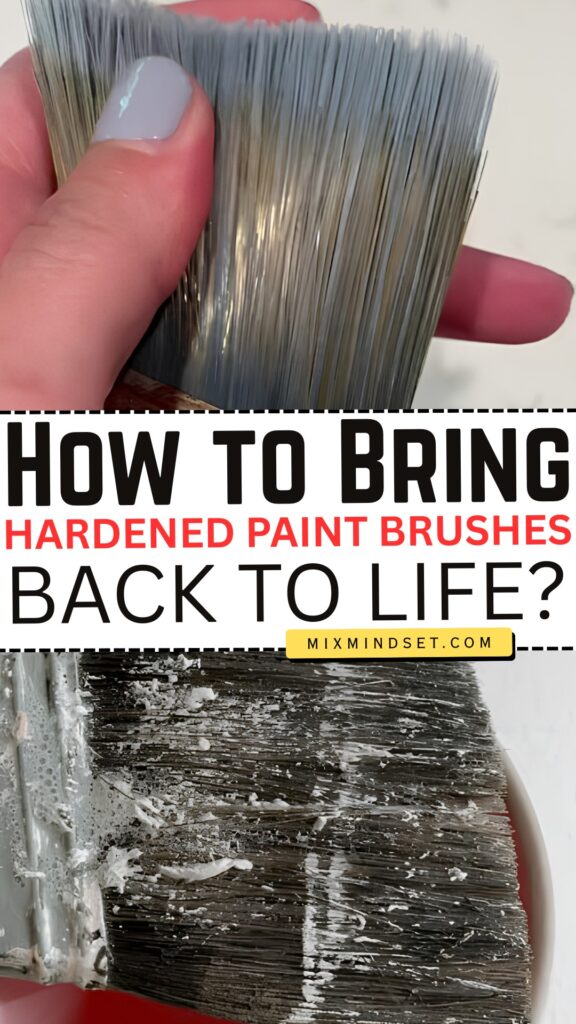
I remember the first time I left a paintbrush out overnight. The next morning, the bristles were stiff as a board.
I thought it was ruined. I was about to throw it away when a neighbor showed me a simple trick with vinegar
I tried it, and the brush came back to life. Now I never toss a hardened brush. I know exactly how to fix them.
First, Know What Kind of Paint You Are Dealing With
Before you start cleaning, you need to know what type of paint is on your brush. Different paints need different methods.
| Paint Type | Common Examples | Best Cleaning Method |
|---|---|---|
| Water-based | Latex, acrylic, craft paint | Vinegar, fabric softener, or dish soap |
| Oil-based | Enamel, gloss, varnish, stain | Mineral spirits, paint thinner, or turpentine |
| Unknown | Not sure what was used | Start with vinegar. If that doesn’t work, try mineral spirits |
If you are not sure, check the paint can. It will tell you if it is water-based or oil-based.
Method 1: Vinegar Soak (Best for Water-Based Paints)
This is the method I use most often. Vinegar is cheap, natural, and works surprisingly well. It breaks down the dried paint and softens the bristles.
What you need:
- White vinegar
- A heat-safe container or disposable aluminum pan
- An old pot (if boiling)
- A brush comb or old fork
- Dish soap
Step-by-step:
Step 1: Heat the vinegar. Heat white vinegar in a pot on the stove until it is almost boiling. You can also microwave it in a glass container for about a minute.
Step 2: Soak the brush. Pour the hot vinegar over the bristles in a heat-safe container. Make sure the vinegar covers the bristles completely. Let it soak for 10 to 30 minutes. For very hard brushes, soak for up to an hour.
Step 3: Remove the softened paint. Use a brush comb, an old fork, or a wire brush to gently scrape the softened paint out of the bristles. Work from the ferrule (the metal part) toward the tip of the brush.
Step 4: Wash with soap. Wash the brush thoroughly with warm water and dish soap. Rinse until the water runs clear.
Step 5: Dry and reshape. Shake out the excess water. Reshape the bristles with your fingers. Lay the brush flat or hang it to dry.
My personal experience: I had a brush that was caked with dried acrylic paint. I soaked it in hot vinegar for 30 minutes, and the paint literally fell off. The brush looked almost new.
Method 2: Boiling Vinegar (For Stubborn Water-Based Paint)
If the regular vinegar soak does not work, try boiling the vinegar.
Step-by-step:
Step 1: Place the brush in an old pot and cover the bristles with white vinegar.
Step 2: Bring the vinegar to a simmer or gentle boil. Let it simmer for a few minutes.
Step 3: Remove the brush from the heat and let it cool.
Step 4: Use a brush comb to remove the softened paint.
Step 5: Wash with warm water and dish soap.
Important: Do not use a pot you cook with. The vinegar and paint residue can ruin it. Use an old pot you do not mind ruining.
Method 3: Fabric Softener Soak (Gentle and Effective)
Fabric softener is a great alternative to vinegar. It softens the paint and makes it slip off the bristles.
What you need:
Step-by-step:
Step 1: Mix ½ cup of fabric softener with 2 gallons of warm water.
Step 2: Submerge the bristles in the mixture. Do not soak the handle—it can damage the wood or paint.
Step 3: Let it soak for about 10 minutes. Swirl the brush occasionally to help loosen the paint.
Step 4: Check the brush. If the paint has softened, use a brush comb to remove it. If it is still hard, soak it longer or repeat the process with fresh water.
Step 5: Rinse with warm water and let it dry.
Method 4: Dish Soap and Warm Water (For Light Buildup)
For brushes with light paint buildup, dish soap and warm water may be enough.
What you need:
- Dish soap
- Warm water
Step-by-step:
Step 1: Add a squirt of dish soap to a bowl of warm water.
Step 2: Swish the brush in the soapy water.
Step 3: Gently work the bristles apart with your fingers.
Step 4: Rinse and repeat until the water runs clear.
Important: Avoid using dish soap on natural-hair paintbrushes meant for oil paint. It can damage the bristles.
Method 5: Mineral Spirits or Paint Thinner (For Oil-Based Paints)
Oil-based paints need a solvent like mineral spirits, paint thinner, or turpentine. Water will not work on these paints.
What you need:
- Mineral spirits, paint thinner, or turpentine
- A glass or metal container
- Rubber gloves (optional)
- A well-ventilated area
Step-by-step:
Step 1: Work in a well-ventilated area. These solvents give off strong fumes and are flammable.
Step 2: Pour a small amount of mineral spirits into a container.
Step 3: Dip the dried brush into the solvent. Do not soak it for too long.
Step 4: Suspend the brush with the bristles down. You can pass a wire through the hole in the handle and hang it up.
Step 5: Check the brush periodically. When the paint begins to soften, use a brush comb to remove it.
Step 6: Repeat the process as needed.
Step 7: Wash the brush with warm water and dish soap to remove any solvent residue.
Tip: You can reuse mineral spirits. Let the used solvent sit in a closed container until the solids settle at the bottom. Pour the clear liquid into another container for future use.
Method 6: Murphy’s Oil Soap (Alternative for Water-Based Paints)
Murphy’s Oil Soap is a gentle, effective cleaner that dissolves paint without harming brushes.
What you need:
- Murphy’s Oil Soap
- A plastic cup
- Lukewarm water
- A nylon brush or brush comb
Step-by-step:
Step 1: Pour enough Murphy’s Oil Soap into a plastic cup to fully submerge the bristles.
Step 2: Soak the brush overnight.
Step 3: Use a brush comb and nylon brush to remove the softened paint.
Step 4: Rinse thoroughly with lukewarm water.
Step 5: Repeat the process until the brush is clean.
Quick Reference Table: Which Method to Use
| Situation | Best Method | Time |
|---|---|---|
| Water-based paint (latex, acrylic) | Vinegar soak or fabric softener | 10-30 minutes |
| Stubborn water-based paint | Boiling vinegar | A few minutes |
| Light paint buildup | Dish soap and warm water | A few minutes |
| Oil-based paint (enamel, varnish) | Mineral spirits or paint thinner | Varies |
| Gentle alternative | Murphy’s Oil Soak | Overnight |
How to Prevent Brushes from Hardening
The best way to deal with hardened paint brushes is to prevent them from getting hard in the first place.
Clean immediately after use. Do not let paint dry on the brush.
Store properly. Wrap the bristles in cardboard or aluminum foil to keep their shape. You can also use a brush tube or wrap the bristles in plastic when taking breaks.
Hang brushes to dry. Do not let them rest on their bristles. This can bend and misshape them.
Use brush covers. These keep bristles protected and in shape when not in use.
My Personal Brush Restoration Routine
Here is what I actually do when I find a hardened brush. You can copy this.
For water-based paint:
- I heat white vinegar until it is almost boiling.
- I soak the brush for 20-30 minutes.
- I use a brush comb to remove the softened paint.
- I wash with dish soap and warm water.
For oil-based paint:
- I take the brush outside or to the garage.
- I dip it in mineral spirits and let it sit.
- I comb out the softened paint.
- I wash with dish soap.
For storage:
- I always clean brushes immediately after use.
- I wrap them in cardboard with a rubber band.
Since I started this routine, I have not thrown away a single brush. It saves me money and keeps my tools in great shape.
The Bottom Line
Hardened paint brushes do not have to be thrown away. Vinegar and fabric softener work on water-based paints. Mineral spirits work on oil-based paints. Murphy’s Oil Soap is a gentle alternative. The key is to match the method to the paint type and be patient.
I used to throw away brushes every time I forgot to clean them. Now I know how to bring them back to life. Your brushes can be saved too. Try one of these methods and see the difference for yourself.