How To Clean and Reseal Butcher Block?
Keep your butcher block looking beautiful and food‑safe with simple, natural ingredients. This guide covers daily cleaning, deep stain removal, and monthly resealing to protect your wood for years. #ButcherBlockCare #KitchenCleaning #WoodCare #DIYHome #CountertopMaintenance
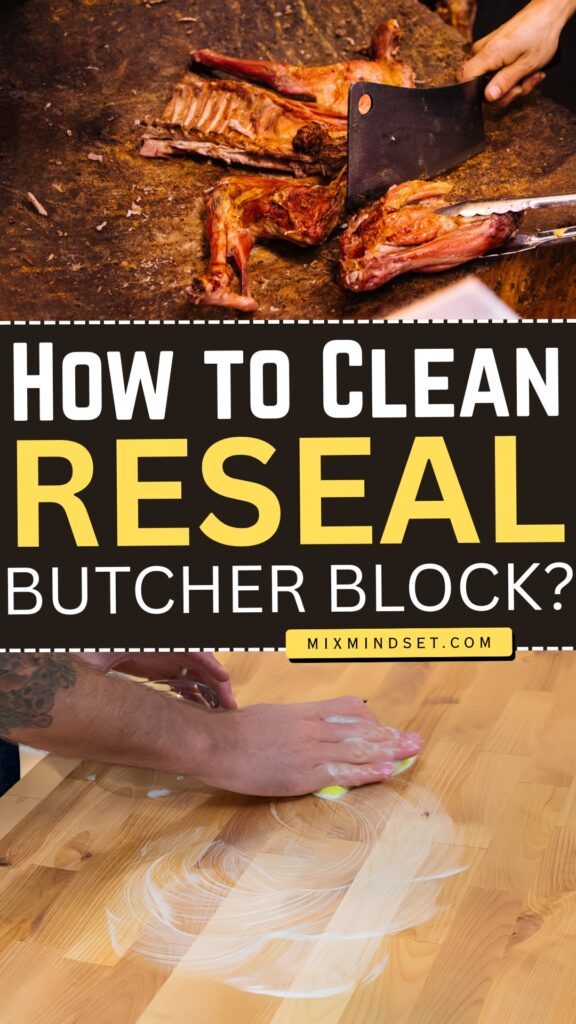
For months, I ignored the drying and staining on my butcher block countertop. I thought it was just getting old. Then I learned that wood is like skin—it needs regular moisture and protection.
Once I started cleaning it properly and sealing it monthly, my countertop came back to life. Now it looks as good as the day I installed it. Let me show you how.
Why Butcher Block Needs Special Care
Butcher block is beautiful and durable, but it is also porous and softer than stone. Water, food spills, and bacteria can soak into the wood if it is not protected. The good news is that regular cleaning and sealing keep it safe and looking great.
The simple rule: Clean daily, seal monthly, and your butcher block will last 20 years or more.
How to Clean Butcher Block Every Day
Daily cleaning takes just 5 minutes. Here is the simple routine I follow.
What You Will Need for Daily Cleaning
| Item | Purpose |
|---|---|
| Microfiber cloths | For wiping and drying |
| Mild dish soap (clear, dye‑free) | Gentle cleaner that does not strip the wood |
| Warm water | For cleaning |
| Sponge | For scrubbing |
Step‑by‑Step Daily Clean
Step 1: Clear everything off the countertop.
Step 2: Wipe away crumbs and loose debris with a dry microfiber cloth.
Step 3: Fill a bowl with warm water and add a few drops of mild dish soap.
Step 4: Dip a sponge in the soapy water, wring it out well, and wipe the countertop. Scrub along the grain of the wood for best results.
Step 5: Rinse your sponge with clean water and wipe away any soapy residue.
Step 6: Dry thoroughly with a clean microfiber cloth. This is critical—standing water can warp and crack the wood.
My advice: Wipe up spills as soon as they happen. Do not let water sit on the surface for long periods.
How to Deep Clean and Sanitize
Once a week or whenever you need a deeper clean, use white vinegar to sanitize.
Disinfect with White Vinegar
White vinegar has natural antimicrobial properties that kill bacteria. Use it regularly for a safe, food‑friendly clean.
Step‑by‑step:
Step 1: Pour undiluted white vinegar into a spray bottle.
Step 2: Lightly spray the vinegar over the entire butcher block surface.
Step 3: Let it sit for 10 to 15 minutes.
Step 4: Wipe clean with a damp cloth and dry thoroughly.
Important: Avoid harsh chemicals like bleach and ammonia. They can strip the wood’s natural protective properties.
How to Remove Stubborn Stains
Salt and lemon juice are a powerful, natural stain‑removing team. This works on light stains from fruits, vegetables, and food residue.
Salt and Lemon Paste
What you need:
- Table salt
- Lemon juice
- Plastic wrap
Step‑by‑step:
Step 1: Mix 1 cup of lemon juice with ½ cup of salt to form a paste.
Step 2: Apply the paste to the stain and let it sit for 10 to 15 minutes. For tougher stains, you can cover it with plastic wrap and leave it overnight.
Step 3: Scrub gently with a sponge.
Step 4: Wipe clean with a damp cloth and dry thoroughly.
Test first: Always test a small, hidden spot first to make sure the lemon does not cause discoloration.
For Dark or Tough Stains
- Dark stains: Dab with 3% hydrogen peroxide using a cotton swab.
- Odors: Sprinkle baking soda on the surface, let it sit for a few hours, then wipe clean.
How to Sand and Reseal Your Butcher Block
Sealing is what protects your butcher block from moisture, stains, and bacteria. It also keeps the wood from drying out and cracking.
When to Reseal
- New countertops: Seal once a month for the first year.
- After that: Reseal every 1 to 6 months depending on use.
- Signs it needs sealing: The wood looks dry, dull, or lighter in color. Water does not bead up on the surface.
What to Use for Sealing
| Product | Why It Works |
|---|---|
| Food‑grade mineral oil | Penetrates deep into the wood, prevents drying and cracking. Tasteless and odorless. |
| Butcher block conditioner | A blend of mineral oil and waxes (beeswax, carnauba wax) that adds a protective layer |
| Beeswax and mineral oil mix | Creates a water‑resistant barrier |
Important: Only use products marked “food‑safe.” Do not use polyurethane or varnish on food‑contact surfaces.
Step‑by‑Step: How to Reseal
Step 1: Sand the surface (if needed).
If your butcher block has deep scratches, water stains, or burn marks, sand it down first. Use fine‑grit sandpaper (120–220 grit). Sand with the grain until the surface is smooth.
Step 2: Clean thoroughly.
After sanding, wipe away all dust with a damp cloth. Let it dry completely.
Step 3: Apply mineral oil.
Pour food‑grade mineral oil directly onto the countertop. Spread it evenly with a soft cloth, working it into the wood along the grain. The wood will absorb as much oil as it needs. Let it soak in for at least 15‑20 minutes.
Step 4: Wipe off excess.
After the oil has soaked in, wipe off any excess with a clean, dry cloth.
Step 5: Apply conditioner (optional but recommended).
For extra protection, apply a butcher block conditioner (mineral oil + beeswax) after the oil has dried. This adds a water‑resistant layer.
Quick Reference Table
| Task | How Often | What to Use |
|---|---|---|
| Daily clean | After each use | Warm water + mild dish soap |
| Sanitize | Weekly | Undiluted white vinegar (10‑15 min) |
| Remove stains | As needed | Salt + lemon juice paste |
| Reseal | Monthly (or when dry) | Food‑grade mineral oil + conditioner |
Important Tips to Remember
- Always dry thoroughly after cleaning.
- Use trivets or hot pads. Never place hot pans directly on butcher block—it can cause permanent burn marks.
- Avoid soaking. Never let your butcher block sit in water.
- Use a separate cutting board for raw meat to avoid cross‑contamination.
- Do not use bleach or ammonia on the wood.
My Personal Butcher Block Routine
Here is what I actually do in my own kitchen. You can copy this.
Every day (5 minutes):
- I wipe down the counter with warm, soapy water.
- I dry it thoroughly with a microfiber cloth.
- I wipe up spills immediately.
Every week (5 minutes):
- I spray white vinegar on the surface and let it sit for 10 minutes.
- I wipe it clean and dry it.
Once a month (15 minutes):
- I apply food‑grade mineral oil to the entire surface.
- I let it soak in, then wipe off the excess.
Since I started this routine, my butcher block has stayed beautiful, stain‑free, and food‑safe. It takes almost no time and makes a huge difference.
The Bottom Line
Butcher block is a beautiful, durable surface that just needs a little regular care. Clean it daily with mild soap and water. Sanitize weekly with white vinegar. Remove stains with salt and lemon. And reseal monthly with food‑safe mineral oil and conditioner.
I used to think my countertop was beyond saving. Now I know it just needed the right care. Your butcher block can look brand new too. Try these simple steps and see the difference for yourself.