9 Easy Ways to Save Your Plants from Frost (Before It’s Too Late)
Protect your plants from frost damage with these 9 simple, effective methods. This guide covers covering, watering, mulching, and more to keep your garden safe when temperatures drop. #FrostProtection #GardenCare #PlantParent #WinterGardening #DIYGarden
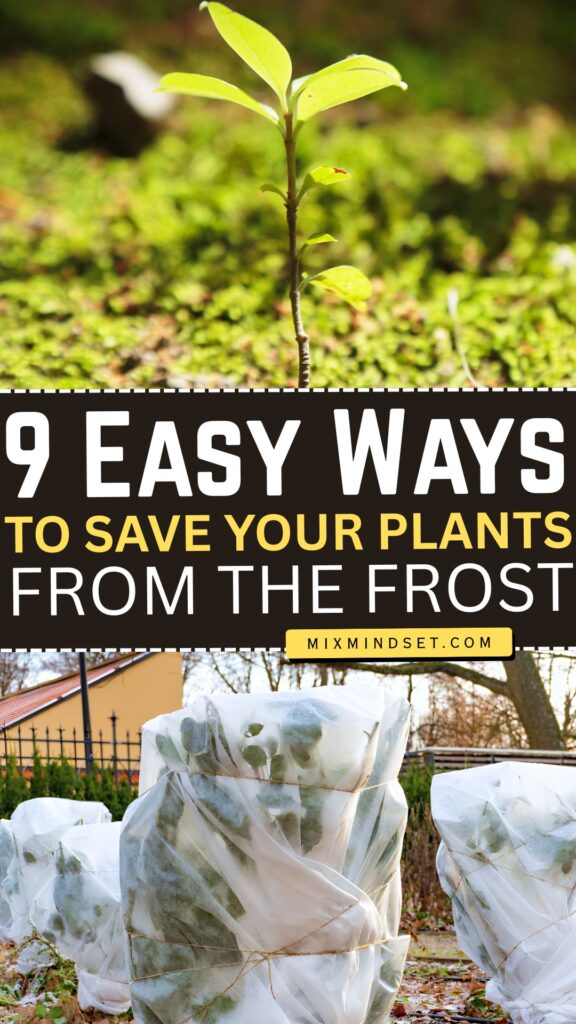
The first time I saw a frost warning on the forecast, I panicked. I ran outside and threw old bedsheets over my tomato plants, hoping for the best. The next morning, my plants were wilted and black.
I had covered them, but I did it all wrong. I learned that frost protection is not just about throwing something over your plants. There is a right way and a wrong way.
After years of trial and error, I have found nine simple tricks that actually work. These methods have saved my garden more times than I can count.
Why Frost Damages Plants
Frost happens when temperatures drop below freezing (32°F or 0°C). The water inside plant cells freezes and expands, bursting the cell walls. This causes the plant to turn black, wilt, and die. Some plants are more sensitive than others. Tender annuals like tomatoes, peppers, and basil are especially vulnerable.
The good news is that most frost damage can be prevented with a little preparation. The key is to act before the frost hits, not after.
What You Will Need
| Item | Purpose |
|---|---|
| Frost cloth or horticultural fleece | Breathable fabric that traps heat |
| Old bedsheets or blankets | Cheap alternative to frost cloth |
| Burlap or hessian | Natural insulation material |
| Mulch (straw, leaves, wood chips) | Insulates soil and roots |
| Plastic containers (milk jugs, soda bottles) | DIY cloches for small plants |
| Bubble wrap | Insulates pots |
| Cardboard boxes | Quick cover for small plants |
| Watering can or hose | For pre‑frost watering |
Method 1: Cover with Frost Cloth or Bedsheets (The Best Method)
This is the most effective way to protect plants from frost. A cover traps heat radiating from the soil, keeping the air around the plant a few degrees warmer.
The simple rule: Use breathable fabric, not plastic. Frost cloth, horticultural fleece, old bedsheets, or burlap all work well. Plastic can trap moisture and freeze against the leaves.
How to do it right:
- Drape the cover over the plant so it reaches all the way to the ground.
- Secure the edges with rocks, bricks, or soil to trap the heat inside.
- Make sure the cover does not touch the leaves directly. If it does, the cold can transfer through the fabric. Use stakes or hoops to hold the cover up.
- Remove the cover in the morning when temperatures rise above freezing. If you leave it on during a warm, sunny day, the plant can overheat.
My personal experience: The first time I used old bedsheets, I just threw them over my plants and walked away. The sheets rested right on the leaves. The next morning, the leaves that touched the fabric were frozen solid. Now I always use stakes to hold the covers up, and I have not lost a plant since.
Method 2: Use a Cloche for Individual Plants
A cloche is a small cover that goes over a single plant. It acts like a mini greenhouse, trapping heat and protecting the plant from cold.
DIY cloche ideas:
- Plastic bottle: Cut the bottom off a clear plastic soda bottle and place it over a small plant.
- Milk jug: Cut the bottom off a plastic milk jug and place it over the plant.
- Glass jar: A large glass jar or bell jar works well for small herbs or seedlings.
- Cardboard box: A simple box placed over a plant at night provides excellent protection.
Important: Remove the cloche during the day to prevent overheating. If you are using a plastic bottle, leave the cap off for ventilation.
Method 3: Water Your Plants Before a Frost
This sounds counterintuitive, but watering the soil before a frost actually helps protect your plants. Moist soil holds heat better than dry soil. The water absorbs heat during the day and releases it slowly at night, warming the air around the plant.
How to do it right:
- Water the soil in the morning before a frost is forecast.
- Focus on the soil, not the leaves. Wet leaves are more prone to freeze damage.
- Water deeply so the moisture reaches the roots.
- Do not water in the evening, as the water can freeze on the surface.
Method 4: Move Potted Plants Indoors or to a Sheltered Spot
Container plants are more vulnerable to frost because their roots are above ground and more exposed to cold. The simplest solution is to move them.
What to do:
- Bring potted plants inside your house, garage, or shed.
- If you cannot bring them inside, move them against a south-facing wall. The wall absorbs heat during the day and radiates it at night.
- Cluster pots together so they can share warmth. Place the most cold‑sensitive plants in the center of the cluster.
- Wrap the pots in bubble wrap or burlap to insulate the roots.
My personal experience: I once left a potted lemon tree on my patio during a frost warning. I thought it would be fine because it was against the house. The next morning, the leaves were black. Now I always bring my potted citrus trees inside, no matter what.
Method 5: Add a Thick Layer of Mulch
Mulch acts like a warm blanket for your soil and roots. It insulates the ground, keeping the soil temperature more stable.
What to use:
- Straw or hay: One of the best insulators.
- Shredded leaves: Free and effective.
- Wood chips: Long-lasting insulation.
- Grass clippings: Apply in a thin layer to avoid matting.
How to apply:
- Spread a layer of mulch 2 to 4 inches thick around the base of your plants.
- Keep the mulch a few inches away from the plant stems to prevent rot.
- Apply mulch in late fall before the first hard frost.
Method 6: Add Extra Heat with String Lights
This is a trick I learned from a gardener friend. Old-fashioned incandescent Christmas lights (not LED) give off heat. You can use them to warm the air around your plants.
How to do it:
- String incandescent lights through your plants or along the ground.
- Cover the plants with frost cloth or a sheet on top of the lights.
- The lights provide enough heat to raise the temperature a few degrees.
Important: Do not let the lights touch the fabric directly, as they can get hot. Use LED lights if you are worried about fire risk, but they do not give off as much heat.
Method 7: Build a Simple Cold Frame
A cold frame is a box with a clear lid that sits over your plants. It works like a mini greenhouse, trapping heat and protecting plants from frost.
How to build a simple cold frame:
- Use wooden boards to build a rectangular box.
- Use an old window or clear plastic as a lid.
- Place the cold frame over your plants.
- Open the lid during the day to prevent overheating.
Where to put it: Place your cold frame in a sunny, south‑facing spot for maximum warmth.
Method 8: Use a Row Cover for Garden Beds
If you have a whole row of vegetables, a row cover is the most efficient protection. Row covers are long sheets of frost cloth that you drape over hoops or directly over plants.
How to use a row cover:
- Drape the cover over your garden rows.
- Secure the edges with soil or rocks.
- For extra insulation, use a double layer of fleece.
- Remove the cover during the day when temperatures are above freezing.
Why it works: Row covers allow light, air, and water to penetrate while protecting plants from frost. They are easy to install and remove.
Method 9: Do Not Prune Damaged Plants Right Away (After a Frost)
If you wake up to find frost damage on your plants, do not panic. It often takes a few days for the full extent of the damage to show. Pruning too early can remove tissue that insulates the roots during future freezes.
What to do after a frost:
- Wait 3 to 7 days before pruning.
- Water the plants to help them recover.
- Do not fertilize right away. Wait until the plant shows signs of new growth.
- Remove covers during the day to prevent overheating.
- Do not wash frost off the leaves in the morning. This raises the temperature too quickly and damages cell tissue.
Quick Reference Table: 9 Frost Protection Methods
| Method | Best For | Effort | Effectiveness |
|---|---|---|---|
| 1. Frost cloth or bedsheets | Most plants | Low | High |
| 2. Cloche (DIY covers) | Individual small plants | Low | High |
| 3. Water before frost | All plants | Low | Moderate |
| 4. Move potted plants | Container plants | Medium | High |
| 5. Add mulch | Roots and soil | Low | Moderate |
| 6. String lights for heat | Tender plants | Medium | High |
| 7. Cold frame | Small garden beds | Medium | High |
| 8. Row covers | Garden rows | Medium | High |
| 9. Wait to prune after frost | Frost‑damaged plants | Low | Important for recovery |
My Personal Frost Protection Routine
Here is what I actually do when a frost warning comes. You can copy this.
The day before:
- I check the weather forecast. If frost is predicted, I start preparing.
- I water my garden beds in the morning.
- I gather my frost cloth, old sheets, and cloches.
- I move any potted plants to my garage or against the house.
The evening before:
- I cover my tender plants with frost cloth or sheets.
- I secure the edges with rocks.
- I place cloches over small seedlings.
The next morning:
- I remove the covers as soon as the temperature rises above freezing.
- I check for frost damage but do not prune anything.
- I water the plants if the soil is dry.
Since I started this routine, I have not lost a single plant to frost. It takes a little effort, but it is worth it.
The Bottom Line
Frost does not have to ruin your garden. With a little preparation, you can protect your plants from cold damage. Cover them with breathable fabric. Water the soil before a freeze. Move potted plants indoors. Add mulch for insulation. Use cloches for small plants. And after a frost, wait before pruning.
I used to panic every time frost was forecast. Now I know exactly what to do, and my plants survive the cold. Your garden can too. Try these simple tricks and keep your plants safe all winter long.