The Right Way to Clean Oak Kitchen Cabinets
Clean oak kitchen cabinets the right way to keep them looking beautiful for years. This guide covers gentle, effective methods using simple ingredients like dish soap, vinegar, and baking soda—without damaging the wood or finish. #KitchenCleaning #CabinetCare #OakCabinets #WoodCare #CleaningTips
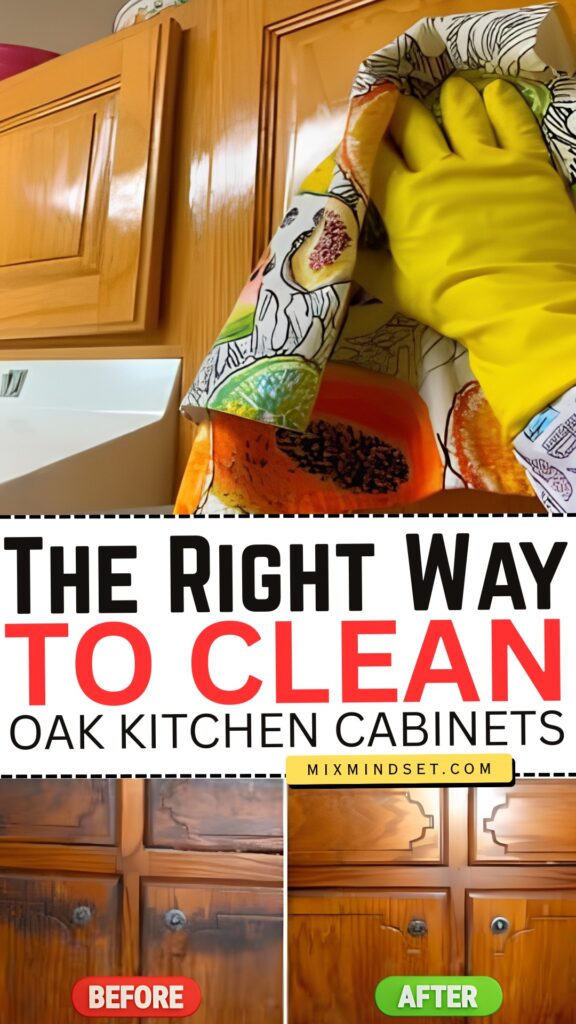
I used to scrub my oak cabinets with whatever cleaner was under the sink. I did not think much about it until I noticed the finish starting to look dull and worn in spots. I was actually damaging the wood without realizing it.
Oak is durable, but it is also a natural material that needs gentle care. I learned that the wrong products can strip the finish, warp the wood, or leave permanent stains. Now I know the right way to clean them, and my cabinets look like new again.
First, Know What You Are Dealing With
Before you start cleaning, it helps to know what kind of oak cabinets you have. Solid oak and oak veneer need slightly different care.
- Gloss: Shiny and smooth, reflects light
- Matte: Dull, non-shiny, solid color look
- Stain: Noticeable wood grain pattern
- Lacquer: A thin layer that can be damaged by harsh cleaners
The golden rule: Always test any cleaner on a small, hidden spot first—like inside a cabinet door—to make sure it does not discolor or damage the finish.
What You Will Need
Gather these simple supplies. You probably have most of them already.
| Item | Purpose |
|---|---|
| Microfiber cloths (at least 3) | Gentle on wood, traps dust and dirt |
| Mild dish soap (like Dawn) | Breaks down grease without damaging finish |
| White vinegar | Natural degreaser for stubborn grime |
| Baking soda | For tough stains and sticky residue |
| Olive oil or wood conditioner | Restores shine and nourishes the wood |
| Warm water | For mixing cleaning solutions |
| Soft toothbrush | For cleaning carvings and crevices |
| Dry towel | For drying immediately |
Step 1: Dust and Prep
Dust and loose dirt can scratch the finish when you wipe. Start with a dry microfiber cloth to remove loose particles.
What to do:
- Remove everything from the cabinets. Take off handles and knobs if you want to clean them separately.
- Dust the cabinet surfaces with a dry microfiber cloth. Work from top to bottom.
- Cover countertops with a towel or drop cloth to catch drips.
Step 2: Routine Cleaning with Dish Soap and Water
For regular cleaning (light dirt and grease), this is the safest method.
What you need:
Step-by-step:
- Mix a few drops of dish soap with warm water in a bowl.
- Dip a microfiber cloth into the soapy water. Wring it out well so it is damp, not soaking wet. Excess water can warp the wood.
- Wipe the cabinets with the wood grain (not against it). This prevents streaks and scratches.
- Rinse your cloth frequently to avoid spreading grime.
- Use a second cloth dampened with plain water to wipe away any soap residue.
- Dry immediately with a clean, dry microfiber cloth. Do not let water sit on the wood.
My advice: I wipe down my cabinets weekly with this method. It takes five minutes and stops grease from building up in the first place.
Step 3: Remove Stubborn Grease and Grime
Cabinets near the stove get the worst buildup. For sticky grease that soap and water won’t touch, try these methods.
Vinegar and Water Solution
Vinegar is a natural degreaser that works well on oak.
What you need:
- Equal parts white vinegar and warm water (1:1 ratio)
Step-by-step:
- Mix the vinegar and water in a spray bottle or bowl.
- Dip a cloth in the solution, wring it out, and wipe the greasy areas.
- Let it sit for a minute to break down the grease.
- Wipe clean with a damp cloth.
- Dry immediately with a clean cloth.
Important: Do not use vinegar on unsealed oak—it can damage the finish. Always test on a hidden spot first.
Baking Soda Paste (For Stubborn Spots)
For really sticky, baked-on grime, baking soda is a gentle abrasive.
What you need:
Step-by-step:
- Mix baking soda and water to form a thick paste.
- Apply the paste to the greasy spot.
- Let it sit for 5 to 10 minutes.
- Gently scrub with a soft toothbrush or microfiber cloth.
- Wipe clean with a damp cloth and dry immediately.
My personal experience: I had a sticky spot above my stove that nothing seemed to touch. The baking soda paste sat for about 10 minutes, and the grime wiped right off. It was like magic.
Warm Cloth and Gentle Scraping
For stuck-on food splatters, try this gentle approach.
What to do:
- Dampen a microfiber cloth with warm water and press it over the residue for a minute to loosen it.
- Gently wipe with the grain.
- If the residue has raised edges, use an old credit card to gently scrape it off.
- Clean the area with the vinegar and water solution, then dry.
Step 4: Condition and Restore Shine
After cleaning, the wood can look a little dry. Conditioning nourishes the wood and restores its natural luster.
What you need:
Step-by-step:
- Apply a small amount of olive oil or wood conditioner to a clean, dry cloth.
- Rub it into the cabinets in the direction of the grain.
- Buff with a clean cloth to remove any excess oil.
- For extra protection, apply wood wax (like beeswax) monthly.
Important: Use just a few drops. Too much oil can leave a greasy film.
What to Avoid
These mistakes can damage your oak cabinets permanently.
| Avoid | Why |
|---|---|
| Ammonia and bleach | Strips the finish and damages the wood |
| Abrasive scrubbers (steel wool, rough sponges) | Scratches the surface |
| Excess water | Causes warping and swelling |
| Harsh chemicals (solvents, paint thinner) | Can dissolve lacquer and varnish |
| Leaving cleaners on too long | Can damage the finish (over 10 minutes is risky) |
Quick Reference Table
| Task | What to Use | How |
|---|---|---|
| Routine cleaning | Mild dish soap + warm water | Wipe with damp cloth, dry immediately |
| Greasy buildup | Vinegar + water (1:1) | Wipe, let sit 1 minute, wipe dry |
| Stubborn spots | Baking soda paste | Apply, wait 5-10 mins, scrub gently, wipe |
| Stuck-on food | Warm damp cloth + gentle scraping | Press, loosen, wipe clean |
| Restore shine | Olive oil or wood conditioner | Apply small amount, buff with grain |
| Deep clean corners | Soft toothbrush + soapy water | Dip, scrub gently, wipe dry |
How Often to Clean
| Task | Frequency |
|---|---|
| Wipe down with damp cloth | Weekly |
| Deep clean (grease removal) | Monthly |
| Condition / polish | Monthly |
| Interior deep clean | Every 3 months |
My Personal Oak Cabinet Routine
Here is what I actually do. You can copy this.
Every week (5 minutes):
- I wipe down my cabinets with a damp microfiber cloth and a drop of dish soap.
- I dry them immediately with a clean cloth.
- I pay extra attention to the cabinets near the stove.
Every month (15 minutes):
- I use the vinegar and water solution on any greasy spots.
- I condition the wood with a small amount of olive oil.
As needed:
- If I see a stubborn spot, I use the baking soda paste.
- I always test new cleaners on a hidden spot first.
Since I started this routine, my oak cabinets have stayed clean, shiny, and free of damage. They look like they did the day they were installed.
The Bottom Line
Oak cabinets are beautiful and durable, but they need the right care. Use mild dish soap and water for routine cleaning. Use vinegar and water for grease. Use baking soda paste for stubborn spots. Always wipe with the grain, never use too much water, and dry immediately. Condition the wood monthly to keep it looking its best.
I used to think any cleaner would work on my cabinets. Now I know better. Your oak cabinets can stay beautiful for years with the right care. Try these methods and see the difference for yourself.