How To Clean Oven Racks Without Scrubbing?
Clean oven racks without scrubbing using simple, natural methods that let the cleaner do the work for you. This guide covers soaking, boiling, and bag methods to remove baked‑on grime with almost no effort. #OvenCleaning #KitchenCleaning #CleaningHacks #DIYCleaner #HomeMaintenance
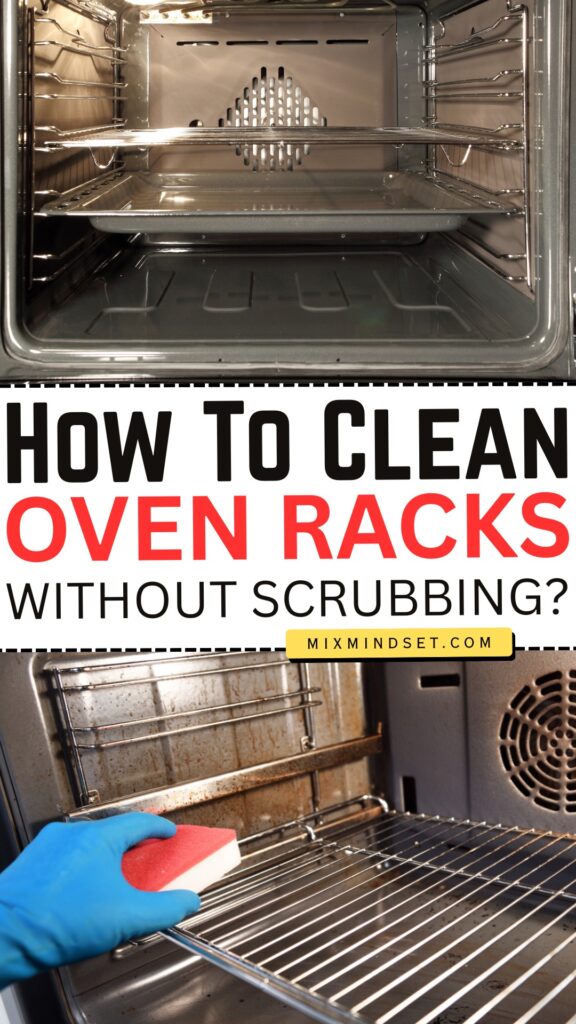
I used to dread cleaning my oven racks. Every few months, I would haul them outside, spray them with harsh chemicals, and scrub until my arms ached.
The grime never fully came off, and I always ended up with sore hands and a half‑clean rack. Then I discovered that you do not need to scrub at all.
You just need to let the right cleaner sit long enough to do the work for you. Now I clean my oven racks with almost no effort, and they come out looking brand new.
Why Scrubbing Is a Waste of Time
Oven racks get coated with a sticky layer of baked‑on grease and food residue. Scrubbing only removes the surface layer. The real grime is baked into the metal. To remove it, you need to soften and dissolve the grease with the right combination of heat, soap, and time.
The golden rule: Do not scrub. Let the cleaner do the work.
What You Will Need
Gather these simple supplies. You probably have most of them already.
| Item | Purpose |
|---|---|
| Large container, sink, or bathtub | For soaking the racks |
| Dish soap (like Dawn) | Breaks down grease |
| Baking soda | Natural degreaser and gentle abrasive |
| White vinegar | Dissolves mineral deposits and grease |
| Washing soda (sodium carbonate) | Stronger alkaline cleaner for heavy buildup |
| Ammonia | Powerful grease cutter (use with ventilation) |
| Dryer sheets | Helps lift baked‑on grime |
| Microfiber cloth or sponge | For wiping away loosened grime |
| Plastic bag (large garbage bag) | For the no‑soak method |
| Rubber gloves | Protects your hands |
| Garden hose or showerhead | For rinsing |
Method 1: Baking Soda and Vinegar Soak (The Natural Way)
This is the method I use most often. It is natural, safe, and works well on light to moderate buildup.
What you need:
- Baking soda
- White vinegar
- Dish soap
- Hot water
Step‑by‑step:
Step 1: Fill your sink or a large container with very hot water. The hotter, the better.
Step 2: Add ½ cup of baking soda, ½ cup of white vinegar, and a few squirts of dish soap. The mixture will fizz.
Step 3: Submerge the oven racks in the solution. Make sure they are fully covered.
Step 4: Let them soak for at least 4 hours, or preferably overnight. The longer they soak, the easier the grime will come off.
Step 5: Remove the racks and wipe them with a sponge or microfiber cloth. The grime should wipe right off.
Step 6: Rinse thoroughly with clean water and dry.
My personal experience: The first time I used this method, I left my racks soaking overnight. The next morning, the grime slid off with almost no effort. I could not believe I had been scrubbing for years when this simple soak worked so much better.
Method 2: The Dryer Sheet Soak (Weird but Effective)
I was skeptical when I first heard this one. But it actually works. The chemicals in dryer sheets help break down baked‑on grease.
What you need:
- 3‑4 dryer sheets
- Hot water
- Dish soap (optional)
Step‑by‑step:
Step 1: Fill your sink or bathtub with hot water.
Step 2: Add the dryer sheets and a squirt of dish soap.
Step 3: Submerge the oven racks in the water. Place a dryer sheet on top of each rack to keep it covered.
Step 4: Let them soak for a few hours or overnight.
Step 5: Remove the racks and wipe them clean. The grime should come off easily.
Step 6: Rinse and dry.
Why it works: Dryer sheets contain surfactants that help break down grease and lift it from the metal.
Method 3: Boiling Method (For Stubborn Grease)
If your racks have thick, baked‑on grease that nothing else will touch, the boiling method is your best friend.
What you need:
- A large pot (big enough to fit a rack)
- Water
- ½ cup of baking soda
- ½ cup of white vinegar
- Dish soap
Step‑by‑step:
Step 1: Place the oven rack in a large pot.
Step 2: Fill the pot with water until the rack is fully submerged.
Step 3: Add ½ cup of baking soda, ½ cup of white vinegar, and a squirt of dish soap.
Step 4: Bring the water to a boil. Reduce the heat and let it simmer for 15‑20 minutes.
Step 5: Remove the pot from the heat and let it cool.
Step 6: Wipe the rack clean with a cloth or sponge. The grime should come off easily.
Important: Do not use this method on non‑stick or coated racks. It can damage the coating.
Method 4: Washing Soda Soak (For Heavy‑Duty Cleaning)
Washing soda (sodium carbonate) is a powerful alkaline cleaner that dissolves grease and grime.
What you need:
- Washing soda
- Hot water
- Dish soap
Step‑by‑step:
Step 1: Fill your sink or bathtub with hot water.
Step 2: Add ½ to 1 cup of washing soda and a few squirts of dish soap.
Step 3: Submerge the oven racks and let them soak for at least 15‑30 minutes. For heavy buildup, leave them overnight.
Step 4: Remove the racks and wipe them clean. The grease should have softened and lifted off.
Step 5: Rinse thoroughly with clean water and dry.
Method 5: The Bag Method (No Soaking, No Scrubbing)
This is a clever trick that uses a plastic bag and a household cleaner. It is great if you do not have a large enough container for soaking.
What you need:
- A large, heavy‑duty plastic garbage bag
- ½ cup of ammonia (or a commercial oven cleaner)
- A sunny spot outside
Step‑by‑step:
Step 1: Place the oven rack inside the plastic bag.
Step 2: Pour ½ cup of ammonia into the bag. Seal the bag tightly.
Step 3: Leave the bag outside in a sunny spot for several hours or overnight. The ammonia fumes will loosen the grime.
Step 4: Carefully open the bag (watch the fumes) and remove the rack.
Step 5: Wipe the rack clean with a cloth or sponge. The grime should wipe right off.
Step 6: Rinse thoroughly with clean water and dry.
Important: Work in a well‑ventilated area. Ammonia fumes are strong. Do not mix ammonia with bleach—it creates toxic gas.
Quick Reference Table: Which Method to Use
| Situation | Best Method | Wait Time |
|---|---|---|
| Light to moderate grease | Baking soda + vinegar soak | 4 hours to overnight |
| Stubborn grease | Boiling method | 15‑20 minutes simmer |
| Heavy, baked‑on grime | Washing soda soak | 15‑30 minutes to overnight |
| Quick, chemical‑free option | Dryer sheet soak | A few hours to overnight |
| No large container available | Bag method with ammonia | Several hours to overnight |
Important Tips to Remember
- Do not use abrasive scrubbers like steel wool. They can scratch the metal and damage the coating.
- For self‑cleaning ovens: Check your manual. Some self‑cleaning ovens do not allow the racks to be left inside during the cleaning cycle.
- Do not use boiling water on non‑stick racks. It can damage the coating.
- Rinse thoroughly. Any leftover cleaner residue can transfer to your food when you use the oven.
- Work in a well‑ventilated area when using ammonia or other strong cleaners.
My Personal Oven Rack Cleaning Routine
Here is what I actually do. You can copy this.
Every 3‑4 months:
- I remove the oven racks and take them outside.
- I fill my bathtub with hot water.
- I add baking soda, vinegar, and dish soap.
- I soak the racks overnight.
- The next morning, I wipe them clean and rinse them with a garden hose.
If the grime is extra stubborn:
- I use the boiling method on the worst rack.
- I simmer it for 15 minutes, and the grease melts right off.
Since I started doing this, I have not scrubbed an oven rack in years. The whole process takes about 5 minutes of actual work, and the rest is just waiting.
The Bottom Line
You do not need to scrub oven racks to get them clean. Baking soda, vinegar, and hot water do the work for you. Soak them overnight, wipe them clean, and they will look brand new. For extra stubborn grease, use the boiling method or washing soda.
I used to dread cleaning my oven racks. Now I know the secret. Your oven racks can look new again with almost no effort. Try one of these methods and see the difference for yourself.