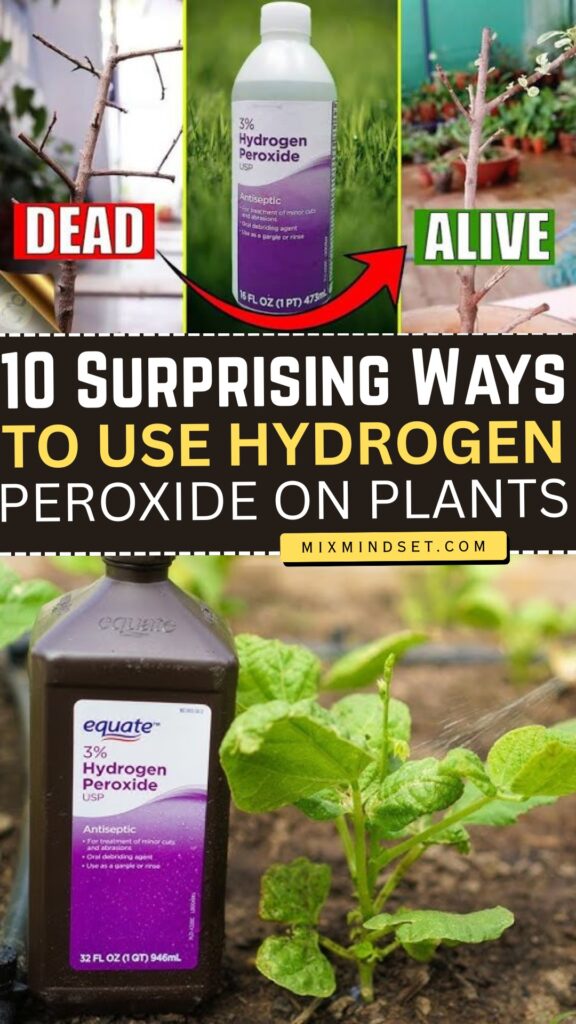
10 Surprising Ways to Use Hydrogen Peroxide on Plants
Hydrogen peroxide is a surprisingly versatile tool for your garden. This guide covers ten surprising ways to use this common household item to boost seed germination, treat root rot, and keep your plants healthy. #HydrogenPeroxide #GardeningHacks #PlantCare #DIYGarden #OrganicGardening
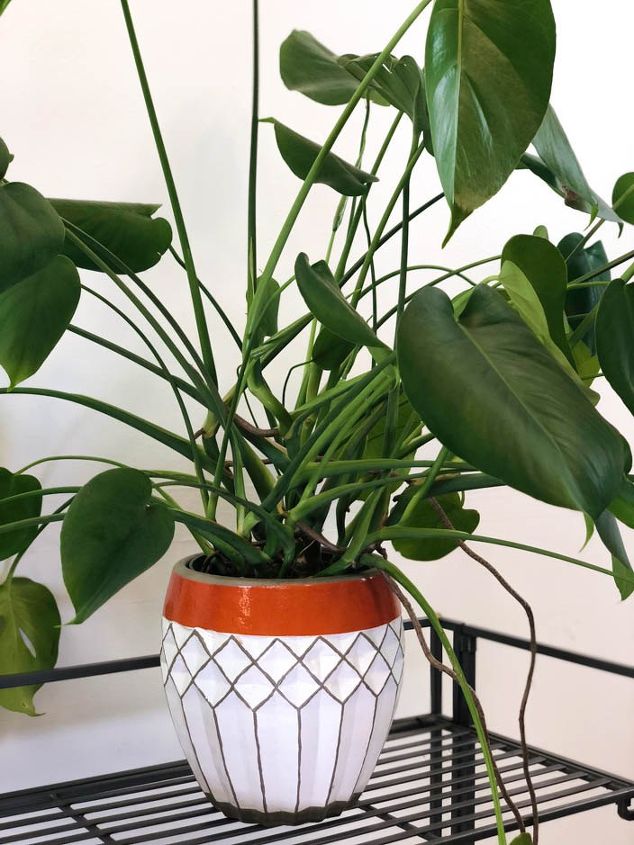
A few years ago, my prized houseplants were under attack from a swarm of tiny fungus gnats. I tried everything—sticky traps, neem oil, even cinnamon.
Nothing worked. Then I remembered a random tip I had read about using hydrogen peroxide on plants. I mixed a simple solution, watered my plants, and within days, the gnats were gone.
I was amazed. That experience opened my eyes to the many ways this cheap household staple could help my garden.
Since then, I have used hydrogen peroxide for everything from speeding up seed germination to treating root rot. Here are ten surprising ways you can use it in your own garden.
Important Safety Rule First
Before we get into the list, here is the most important rule: always dilute hydrogen peroxide before using it on your plants. The typical brown bottle from the drugstore is 3% hydrogen peroxide. Do not use it straight out of the bottle on your plants—it can burn them. Always mix it with water first.
Stick with a 3% solution for all gardening uses. Stronger concentrations (like 35% food-grade) need much more careful dilution and are not recommended for beginners.
1. Boost Seed Germination
This is one of the most proven uses for hydrogen peroxide. Soaking seeds in a diluted peroxide solution can significantly improve germination rates and speed up the process.
Research has shown that hydrogen peroxide soaking can increase germination rates significantly—in one study, mung bean germination increased by nearly 49%. It works by softening the seed coat, killing harmful bacteria and fungi on the seed surface, and providing extra oxygen to the embryo.
How to do it:
- Mix 1 part 3% hydrogen peroxide with 5 to 10 parts water.
- Soak your seeds in the solution for 12 to 24 hours.
- For a quicker soak, you can also use a 15 to 20 minute soak in 3% hydrogen peroxide, then rinse thoroughly.
- Rinse the seeds with clean water before planting.
Best for: Tomatoes, cucumbers, peppers, zucchini, cabbage, pumpkins, eggplants, carrots, dill, parsley, and celery. This is especially effective for older seeds that have trouble germinating.
2. Kill Fungus Gnat Larvae in Soil
This was the method that saved my houseplants. Fungus gnats are tiny flies that thrive in damp soil. Their larvae live in the soil and can damage plant roots. A hydrogen peroxide soil drench kills the larvae on contact.
How to do it:
- Mix 1 part 3% hydrogen peroxide with 4 parts water.
- Water your plants thoroughly with this solution, making sure to completely saturate the soil.
- The solution will fizz as it kills the larvae.
- Repeat as needed, but do not overuse—peroxide also kills beneficial soil microbes.
My personal experience: I had a terrible fungus gnat infestation in my houseplants. After one treatment with the 1:4 peroxide solution, the adult gnats disappeared within days, and I never saw them again.
3. Treat Root Rot
Overwatering can lead to root rot, a condition where roots become mushy, brown, and start to decay. Hydrogen peroxide can help by releasing oxygen into the soil, which helps healthy roots breathe and kills off the rot-causing bacteria.
How to do it:
- Remove the plant from its pot and gently loosen the soil around the roots.
- Use clean scissors to trim away any dead, mushy, or black roots.
- Spray the remaining roots with a solution of 1 part 3% hydrogen peroxide to 2 parts water.
- Alternatively, you can use a 1:1 solution of hydrogen peroxide and water to spray the roots.
- Repot the plant in fresh, well-draining soil.
Important: This works best if caught early. It won’t revive a plant that is too far gone.
4. Prevent Damping Off in Seedlings
Damping off is a frustrating fungal disease that causes seedlings to suddenly collapse and die. Hydrogen peroxide can help prevent this by sterilizing the soil surface.
How to do it:
- Mix 1 tablespoon of 3% hydrogen peroxide with 1 quart of water.
- Use this solution to water your seedlings or mist the soil surface.
- This helps kill the fungi that cause damping off without harming the young plants.
5. Disinfect Garden Tools and Pots
Hydrogen peroxide is an effective surface sterilant. It can clean bacteria, fungi, and other pathogens from your gardening tools and planting containers, preventing diseases from spreading between plants.
How to do it:
- Soak your tools or pots in a solution of equal parts 3% hydrogen peroxide and water.
- For a quick clean, you can spray undiluted 3% hydrogen peroxide directly onto tool blades and let it sit for a few minutes before wiping.
- Rinse with clean water after cleaning.
6. Use as a Foliar Spray for Fungal Diseases
Powdery mildew and other fungal leaf diseases can be treated with a hydrogen peroxide spray. It is a cheap and generally safe first-line defense.
How to do it:
- Mix a 3:1 solution of water and 3% hydrogen peroxide.
- Spray the mixture onto affected plants, making sure to cover both the tops and undersides of the leaves.
- Spray in the early morning so the solution can dry before the afternoon heat.
- Repeat every couple of days until the infection is gone.
7. Add Oxygen to Hydroponic Systems
In hydroponic setups, hydrogen peroxide can be used as an oxygen source for plant roots. As it breaks down, it releases oxygen into the water, which helps keep roots healthy and prevents harmful bacteria from growing.
How to do it:
- Add a small amount of 3% hydrogen peroxide to your hydroponic nutrient reservoir.
- The exact amount depends on your system size. Start with 1 teaspoon per gallon of water and monitor your plants.
- It also helps keep the system clean by reducing microbial populations.
8. Sterilize Reused Potting Soil
If you want to reuse old potting soil, hydrogen peroxide can help sterilize it and kill any pests, eggs, or disease-causing organisms.
How to do it:
- Spread the soil out on a tarp or in a large container.
- Mix ½ cup of 3% hydrogen peroxide with 1 gallon of water and spray the solution onto the soil to moisten it.
- Stir the soil and make sure all of it is moistened.
- Let the soil dry completely before using it.
Caution: This kills beneficial microbes as well as harmful ones. Use it sparingly, or add compost or worm castings back into the soil to reintroduce good bacteria.
9. Clean Produce from the Garden
The same sterilizing properties that make hydrogen peroxide useful for tools also apply to the fruits and vegetables you harvest from your garden.
How to do it:
- Mix a solution of 1 part 3% hydrogen peroxide with 10 parts water.
- Spray the solution onto your freshly picked produce.
- Let it sit for a few minutes, then rinse thoroughly with clean water.
- This helps remove surface bacteria and fungi.
10. Disinfect Seed-Starting Mix
If you notice white mold growing on the surface of your seed-starting mix, a hydrogen peroxide spray can quickly eliminate it.
How to do it:
- Mix a solution of 1 part 3% hydrogen peroxide with 4 parts water (or use the 1 tablespoon per quart of water ratio).
- Spray the surface of the seed-starting mix lightly.
- This kills the mold without harming your young seedlings.
Quick Reference Table
| Use | Dilution | Application |
|---|---|---|
| Boost seed germination | 1 part peroxide to 5-10 parts water | Soak seeds 12-24 hours |
| Kill fungus gnat larvae | 1 part peroxide to 4 parts water | Water soil thoroughly |
| Treat root rot | 1 part peroxide to 2 parts water | Spray roots after trimming |
| Prevent damping off | 1 tablespoon peroxide to 1 quart water | Water seedlings or mist soil |
| Disinfect tools/pots | Equal parts peroxide and water | Soak or spray |
| Treat fungal diseases | 1 part peroxide to 3 parts water | Spray leaves (morning) |
| Hydroponic oxygen | 1 teaspoon per gallon of water | Add to reservoir |
| Sterilize potting soil | ½ cup peroxide per gallon of water | Spray soil, let dry |
| Clean produce | 1 part peroxide to 10 parts water | Spray, rinse |
| Disinfect seed-starting mix | 1 tablespoon peroxide per quart of water | Spray surface |
Important Tips to Remember
- Always use 3% hydrogen peroxide from the drugstore. Do not use stronger concentrations.
- Always dilute it before applying to plants. Undiluted peroxide can burn roots and leaves.
- Test on a small area first if you are unsure how your plant will react.
- Do not overuse it. Hydrogen peroxide kills both good and bad microbes in the soil. Use it sparingly and only when needed.
- Do not mix it with vinegar or bleach. This creates toxic fumes.
- Use non-metal containers when mixing peroxide solutions, as it can react with metal.
The Bottom Line
Hydrogen peroxide is a cheap and versatile tool for any gardener. It can help you germinate seeds faster, kill fungus gnats, treat root rot, and clean your tools and produce. The key is to always dilute it properly and use it sparingly.
I used to think my fungus gnat problem was hopeless. Now I keep a bottle of hydrogen peroxide in my gardening supplies, and I know exactly how to use it. Your garden can benefit from this simple household staple too. Give it a try and see the difference for yourself.