How to Grow Vanilla Beans at Home?
Grow your own vanilla beans at home with this complete beginner-friendly guide. From creating the perfect tropical environment to hand-pollination and curing, this covers everything you need to know to harvest your own vanilla. #VanillaBeans #OrchidCare #IndoorGardening #GrowYourOwnFood #ExoticPlants

The first time I heard you could grow vanilla beans at home, I laughed. I thought, “That’s something only farmers in Madagascar can do.”
Then I learned that vanilla comes from an orchid—a beautiful climbing vine that can actually be grown indoors. I was intrigued but also intimidated.
I bought a small cutting, set up a humid corner in my sunroom, and waited. It took patience, a lot of misting, and one very nerve-wracking morning of hand-pollination.
But when that first tiny bean started to form, I felt like I had performed magic. Now I want to share everything I learned so you can grow your own vanilla too.
The Honest Truth First
Before we get started, let me be straight with you. Growing vanilla beans at home is not a quick or easy project. It is a labor of love that requires patience, dedication, and the right conditions.
What you need to know upfront:
- Vanilla orchids take 3 to 5 years to reach flowering size.
- You must hand-pollinate the flowers within a few hours of opening.
- The pods take 8 to 9 months to mature on the vine.
- After harvest, you need to cure the beans for several months.
- Indoor growing is possible but requires a serious commitment to humidity and temperature control.
If you are looking for a fast, low-maintenance plant, vanilla is not for you. But if you love a challenge and want to grow something truly unique, this is one of the most rewarding projects you can take on.
What You Will Need
| Item | Purpose |
|---|---|
| Vanilla orchid cutting (Vanilla planifolia) | The plant itself—start with a healthy cutting |
| Well-draining orchid mix (bark, perlite, sphagnum moss) | Provides aeration and drainage for roots |
| Terracotta or plastic pot with drainage holes | Holds the plant |
| Tall support structure (wooden stake, trellis, or coco coir pole) | Allows the vine to climb |
| Humidifier or pebble tray | Maintains high humidity (60-85%) |
| Grow light (if natural light is insufficient) | Provides bright, indirect light |
| Thermometer and hygrometer | Monitors temperature and humidity |
| Balanced orchid fertilizer | Feeds the plant during growing season |
| Small pointed stick or toothpick | For hand-pollination |
| Patience | The most important ingredient |
Understanding the Vanilla Orchid
Vanilla comes from a tropical orchid called Vanilla planifolia. This plant is an epiphyte, meaning it grows on other plants (like trees) in the wild. It is a climbing vine that can reach impressive lengths—up to 30 feet outdoors. Indoors, you can manage it to stay around 8 to 10 feet.
The flowers are beautiful yellow-green blooms that are only open for a single day. In nature, they are pollinated by a specific species of bee found only in Central and South America. Everywhere else in the world, vanilla must be hand-pollinated.
Step 1: Create the Right Environment
This is the most important part. Vanilla orchids are tropical plants with very specific needs. If you cannot provide these conditions, the plant may survive but it will not flower or produce beans.
Light
The simple rule: Bright, indirect light. No direct hot sun.
What to do:
- Place your plant near an east or west-facing window with filtered light.
- If you are growing indoors, a south or west-facing window with a sheer curtain works well.
- Avoid harsh noonday sun—it can scorch the leaves.
- If natural light is insufficient, use a grow light for 12-14 hours daily.
Temperature
The simple rule: Warm days and slightly cooler nights.
Ideal temperatures:
- Daytime: 75°F to 85°F (24°C to 29°C)
- Nighttime: 60°F to 70°F (15°C to 21°C)
- Minimum: Do not let temperatures drop below 55°F (13°C)
Humidity
The simple rule: High humidity is non-negotiable.
Ideal humidity: 60% to 85%
How to achieve it:
- Use a humidifier near the plant.
- Place the pot on a pebble tray filled with water.
- Mist the plant frequently.
- Growing the plant in a bathroom can provide occasional “humidity treats” after showers.
- A small indoor greenhouse or grow tent can help maintain consistent levels.
Step 2: Choose the Right Pot and Soil
Vanilla orchids need a loose, well-draining mix that allows their roots to breathe. Never use regular potting soil.
Soil recipe:
- A mix of orchid bark, perlite, and sphagnum moss works well.
- You can also use a blend of equal parts orchid bark and high-quality potting mix.
- The key is excellent drainage and aeration.
Pot choice:
- Choose a pot with plenty of drainage holes.
- Terracotta pots are a good choice because they allow air circulation around the roots.
Step 3: Provide a Climbing Support
Vanilla is a climbing vine. It needs something to attach to.
What to use:
- A wooden stake or trellis.
- A coco coir pole.
- A burlap-covered board—the key is a porous surface that aerial roots can grip.
Important: The vine must be able to attach its aerial roots to the support. These roots absorb moisture and nutrients from the air.
Step 4: Plant Your Vanilla Cutting
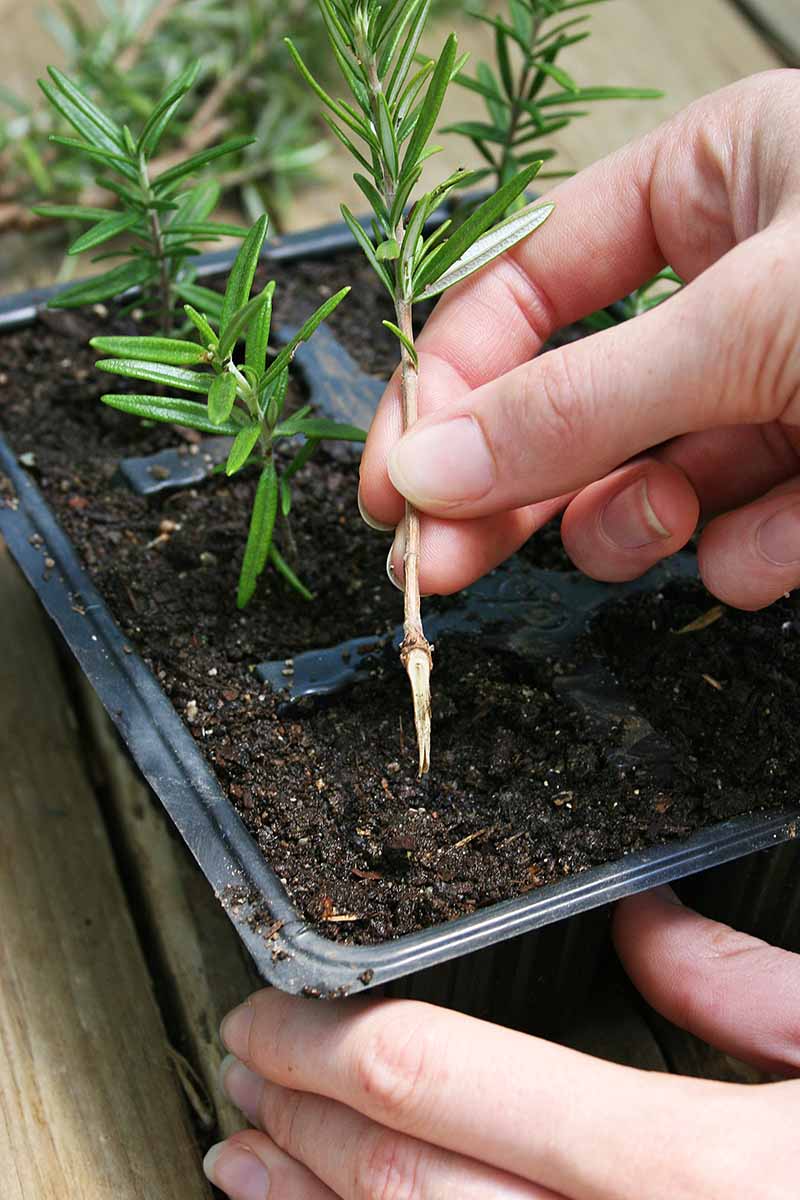
The easiest way to start is with a cutting (a piece of vine).
Step-by-step:
- Obtain a cutting: Get a cutting that is 12 to 18 inches long with a few healthy aerial roots and at least 3 to 4 leaves.
- Prepare the pot: Fill your pot with the orchid mix. Leave room for the cutting.
- Plant the cutting: Place the cutting in the pot. The lower part should be buried in the mix, but the aerial roots should be exposed to the air.
- Install the support: Place your stake or trellis in the pot at the same time you plant the cutting.
- Secure the vine: Gently tie the vine to the support with soft plant ties.
- Water well: Water thoroughly after planting.
Step 5: Watering and Feeding
Watering
The simple rule: Keep the potting medium slightly moist but not soggy.
How to water:
- Water when the top inch of the potting mix feels dry.
- In warmer months, this may mean watering 2-3 times a week.
- In cooler months, reduce watering to once a week or less.
- Mist regularly to maintain ambient moisture, especially around the aerial roots.
- Dampen the trellis or growing support to keep humidity around the plant consistent.
Fertilizing
The simple rule: Feed lightly and regularly during the growing season.
What to use:
- Use a balanced orchid fertilizer.
- Fertilize every two weeks during spring and summer.
- Reduce or stop fertilizing in winter when growth slows.
Step 6: The Art of Hand-Pollination
This is the most delicate and important step. Without hand-pollination, you will not get beans.
When to pollinate: Flowers are only open for one day—usually in the morning. They typically open around 11 a.m. . You must pollinate them within a few hours of opening.
What you need:
- A small pointed stick, toothpick, or bamboo skewer
The step-by-step process:
Step 1: Locate the flower. It will be fully open.
Step 2: Gently push the lip of the flower down so it is out of the way.
Step 3: Hold the column (the central structure of the flower) with your fingers.
Step 4: Use your pointed stick to gently lift the rostellum—a small flap that separates the male and female parts of the flower.
Step 5: Once the rostellum is lifted, press the anther (the pollen-bearing part) onto the stigma (the female part) .
Step 6: That is it. You have just connected the “male bit to the female bit”.
What happens next: If pollination is successful, the flower will wilt and a skinny green pod will begin to form over the next 2 months. The pod will remain on the vine for 8 to 9 months before it is ready to harvest.
My personal experience: My first attempt at hand-pollination was nerve-wracking. I was so worried I would damage the flower. But I followed the steps, gently lifted the rostellum, and pressed the parts together. A few weeks later, I saw a tiny green pod forming. I was ecstatic.
Step 7: Harvesting
When to harvest: The pods are ready when they are 6 to 9 inches long and turn slightly yellow at the tip. This usually takes 8 to 9 months after pollination.
How to harvest: Gently twist or cut the pod from the vine. Handle it carefully—the pods are delicate.
Step 8: Curing and Drying
Freshly harvested vanilla beans have no flavor. The curing process develops the familiar vanilla aroma.
The curing process:
- Blanching: Dip the beans in hot water (about 150°F) for 2-3 minutes. This stops the ripening process and kills any mold spores.
- Sweating: Wrap the beans in a towel or blanket and place them in a warm, dark place (around 120-140°F) for 24-48 hours. This starts the fermentation process that develops the flavor.
- Drying: Hang the beans in a warm, well-ventilated area out of direct sunlight for several weeks. They are fully dry when they are dark brown, leathery, and flexible.
- Conditioning: Store the dried beans in an airtight container for a few months. This allows the flavor to fully develop.
The honest truth: Curing vanilla beans at home takes time and effort. But the result—your very own homegrown vanilla—is incredibly rewarding.
Quick Reference Table
| Factor | Ideal Condition |
|---|---|
| Light | Bright, indirect light (filtered or sheer curtain) |
| Temperature (day) | 75°F to 85°F (24°C to 29°C) |
| Temperature (night) | 60°F to 70°F (15°C to 21°C) |
| Humidity | 60% to 85% |
| Soil | Orchid bark, perlite, and sphagnum moss |
| Watering | When top inch is dry, keep slightly moist |
| Fertilizing | Balanced orchid fertilizer, every 2 weeks (spring/summer) |
| Support | Wooden stake, trellis, or coco coir pole |
| Pollination | Hand-pollinate within hours of flower opening |
| Harvest | 8-9 months after pollination |
| Time to flower | 3-5 years from cutting |
Common Problems and How to Fix Them
| Problem | Likely Cause | How to Fix It |
|---|---|---|
| Yellowing leaves | Overwatering or poor drainage | Let soil dry out; improve drainage |
| Brown leaf tips | Low humidity | Increase humidity with humidifier or misting |
| No flowers | Plant too young or insufficient light | Wait (takes 3-5 years); increase light |
| Flowers drop without pollinating | No hand-pollination | Pollinate within hours of opening |
| Pod turns yellow and falls off | Failed pollination or stress | Try again next flower; check conditions |
| Mold on soil | Too much moisture, poor air circulation | Reduce watering, improve airflow |
My Personal Vanilla Journey
I started my vanilla journey with a single cutting from a specialty nursery. I set up a small humidifier near my plant, placed it by a bright window with a sheer curtain, and waited. And waited. For the first two years, nothing much happened. The vine grew slowly, and I wondered if it would ever flower.
Then, in the third year, I saw tiny buds forming. I was so excited. I watched them develop for weeks. When the first flower opened, I was nervous. I had practiced hand-pollination on paper flowers, but doing it on a real flower was different. I followed the steps, held my breath, and gently pressed the parts together.
When I saw that first tiny green pod a few weeks later, I almost cried. It took another 9 months for it to mature. The curing process was another adventure. But when I finally opened that jar of my own home-cured vanilla beans, the smell was unlike anything I had ever experienced. It was worth every minute of waiting.
The Bottom Line
Growing vanilla beans at home is one of the most challenging and rewarding gardening projects you can take on. It requires patience, dedication, and the right conditions. But if you can provide high humidity, warm temperatures, bright indirect light, and a sturdy support for the vine to climb, you can grow your own vanilla.
The journey from cutting to bean takes years. The hand-pollination is a delicate art. The curing process is meticulous. But when you hold that first dark, fragrant bean in your hand, you will know it was all worth it.
I started with one cutting on a windowsill. Now I have a beautiful vine that gives me beans every year. You can do this too. It just takes patience and a little faith.