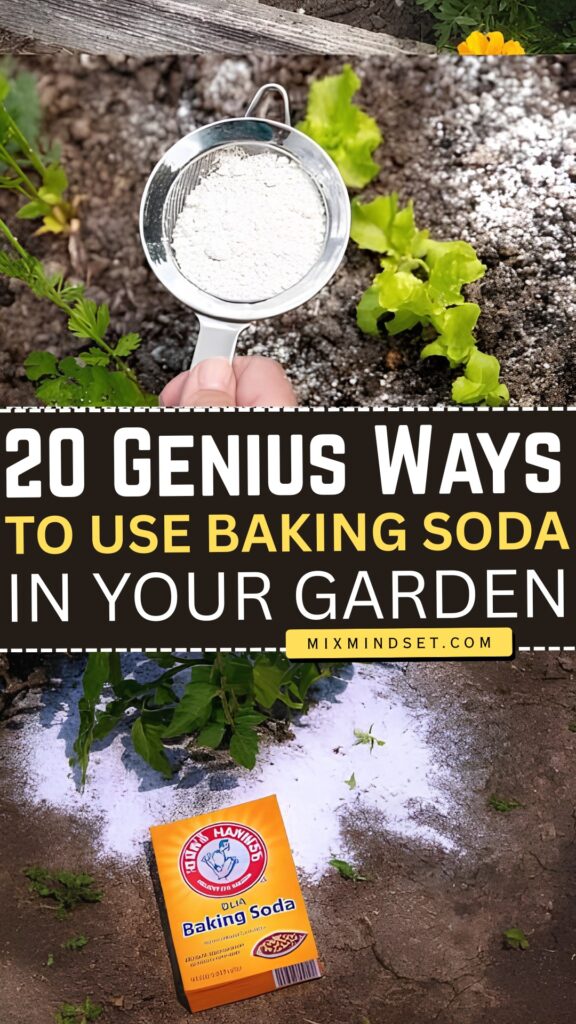
20 Genius Ways to Use Baking Soda in Your Garden
Baking soda is one of the cheapest and most versatile tools you can keep in your garden shed. From fighting fungus to sweetening tomatoes, this simple pantry staple can do it all. #BakingSodaHacks #GardenTips #DIYGarden #OrganicGardening #PlantCare
I never thought much about baking soda in my garden until the summer my prize roses were covered in a white, powdery film. I tried everything I could find, but nothing worked.
A neighbor told me to mix baking soda with water and a drop of dish soap. I was skeptical, but I tried it. Within a week, the mildew was gone. That one experience opened my eyes to just how useful this cheap kitchen staple could be.
Now I keep a box in my gardening supplies all year round. Here are 20 genius ways to use baking soda in your garden.
Before You Start: A Word of Caution
Baking soda is sodium bicarbonate. It is a type of salt. Like other salts, too much of it can damage your plants. Overapplied, it can cause wilting, stunted growth, yellowing leaves, and even death. It can also linger in the soil and make it harder for acid-loving plants to grow.
The golden rule: Use baking soda in small, targeted doses and mostly keep it away from the plants you want to grow. Always test on a small area first.
20 Genius Ways to Use Baking Soda in Your Garden
1. Natural Fungicide for Powdery Mildew
This is the most common and effective use of baking soda in the garden. Powdery mildew is a white, powdery fungus that appears on leaves. Baking soda changes the pH on the leaf surface, making it less hospitable to mildew spores.
How to make the spray: Mix 1 tablespoon of baking soda with 1 gallon of water, a drop of dish soap, and optionally a tablespoon of vegetable oil.
How to apply: Spray it on affected plants in the morning when the sun is not too strong. Cover both sides of the leaves. Repeat weekly and after heavy rain.
My personal experience: I had a bad case of powdery mildew on my squash plants. After one spray, the white film started to fade. After three weekly applications, it was completely gone.
2. Natural Weed Killer
Baking soda will kill most plants it comes into contact with in high concentrations. This makes it a great natural weed killer.
How to use: Lightly spray the weeds with water, then dust a generous amount of baking soda over them. The weeds will dry up, and the excess moisture helps deliver the baking soda to the root system.
Best for: Weeds growing in sidewalk cracks, driveway gaps, and other areas where you are not planning to grow plants.
Important: Be careful not to use this method around plants you want to keep, since the baking soda can leach into the surrounding soil.
3. Sweeten Your Tomatoes
Tomatoes prefer soil that is slightly acidic to neutral (pH 6.2 to 6.8). Baking soda is alkaline and can help reduce soil acidity. This can improve nutrient absorption and result in sweeter fruit.
How to use: Sprinkle a small amount of baking soda around the base of your tomato plants during the early growth stages. Do not apply it directly to the plant.
Important: Do not use too much. If the soil gets too basic, the plant might not absorb nutrients properly. Always test your soil pH first.
4. Deter Pests (Slugs, Ants, and Aphids)
Baking soda can help keep common garden pests away. Slugs cannot tolerate the salt levels. Ants tend to lose their scent trails. It also acts as a barrier that dehydrates slugs and repels aphids.
How to use: Use a flour sifter to lightly dust the soil around your plants with baking soda.
Important: Do not use too much, as this can alter the pH of your soil. Avoid dusting your plants directly because the baking soda can dry them out.
5. Prevent Fungal Diseases (Blight, Black Spot)
Baking soda can help prevent and treat fungal diseases like blight on tomatoes and potatoes, and black spot on roses.
How to make the spray: Dissolve 1 to 2 tablespoons of baking soda in 1 liter of water. Add a few drops of dish soap.
How to apply: Spray the leaves and stems evenly. This solution increases the surface acidity of the plants, killing and preventing blight.
6. Clean Garden Tools and Decorations
Baking soda is mildly abrasive and can remove dirt and grime from your garden tools and decorations.
How to use: Use a damp cloth with a sprinkle of baking soda to clean concrete and plastic lawn decor.
Important: Avoid using baking soda on natural stone, such as limestone, granite, or marble.
7. Clean Outdoor Furniture Cushions
Baking soda can freshen up outdoor cushions.
How to use: Spray the cushions to get them damp, sprinkle with baking soda, and scrub in a circular motion with a damp rag. Add dish soap for extra cleaning power. Rinse well and set them in the sun to dry and deodorize.
8. Raise Soil Alkalinity
Baking soda can raise the pH level of your soil. This is useful for preparing an area for planting that may be too acidic, or for improving the health of alkaline-preferring plants.
How to use: Mix 1 tablespoon of baking soda per gallon of water.
Special use: You can even change the bloom color of hydrangeas to a more pinkish or reddish tint.
9. Remove Compost Odors
Baking soda can help break down lingering compost smells. It can kill microbes and fungi active in compost piles.
How to use: Add a small amount of baking soda to your compost pile.
10. Clean Plant Leaves
Dusty leaves can affect photosynthesis. Baking soda can help clean them.
How to use: Mix 1 teaspoon of baking soda with 1 quart of water and use a soft cloth to gently wipe down the leaves.
Important: Rinse plants well after cleaning to prevent sodium buildup.
11. Control Cabbage Worms and Aphids
A mixture of baking soda and flour can deter pests like cabbage worms and aphids.
How to use: Mix baking soda and flour in a 1:1 ratio and dust it on your plants.
12. Kill Cutworms
Cutworms are caterpillars that cut down young seedlings at the base. Baking soda can help kill or deter them.
How to use: Spread baking soda near the base of your plants.
13. Clean Rusty Garden Tools
Baking soda can help remove rust from garden tools. This is one of the many uses of baking soda outside the garden.
How to use: Make a paste with baking soda and water, apply it to the rusted areas, let it sit, and scrub.
14. Freshen Garden Pathways
Baking soda can be used to freshen up garden pathways and patios.
How to use: Sprinkle baking soda on pathways and sweep it into the cracks. It helps deodorize and can prevent weed growth.
15. Boost Flower Blooms
Baking soda can help boost the flower production of certain plants. It acts as a soil enhancer, making the soil more alkaline for flowers that crave this environment.
How to use: Mix a few teaspoons of baking soda with a liter of water and spray it on flowers that thrive in alkaline soils.
Important: Use this method carefully, avoiding plants that could be damaged by a high pH level.
16. Stop Ant Trails
Ants use scent trails to navigate. Baking soda disrupts these trails.
How to use: Sprinkle baking soda along ant trails and around the base of plants where ants are active. The ants will lose their way and avoid the area.
17. Kill Ants with Sugar Bait
You can create a bait to kill ants using baking soda and sugar.
How to use: Mix equal parts baking soda and sugar. The sugar attracts the ants, and they ingest the baking soda, which kills them.
18. Deodorize Garden Gloves
Garden gloves can get smelly. Baking soda can neutralize the odor.
How to use: Sprinkle baking soda inside your garden gloves and let them sit overnight. Shake out the powder before using them again.
19. Clean Bird Baths
Baking soda can safely clean bird baths without harming birds.
How to use: Scrub the bird bath with a damp cloth and baking soda. Rinse thoroughly before refilling with water.
20. Prevent Damping Off in Seedlings
Damping off is a fungal disease that kills young seedlings. Baking soda can help prevent it.
How to use: Lightly dust the soil surface around your seedlings with baking soda. This creates an environment that is less favorable for the fungus.
Quick Reference Table: 20 Ways at a Glance
| Use | How to Apply | Best For |
|---|---|---|
| 1. Fungicide | 1 tbsp baking soda + 1 gal water + soap | Powdery mildew, black spot |
| 2. Weed Killer | Sprinkle directly on weeds | Sidewalk cracks, driveways |
| 3. Sweeten Tomatoes | Sprinkle small amount around base | Sweeter tomato fruit |
| 4. Pest Deterrent | Lightly dust soil around plants | Slugs, ants, aphids |
| 5. Fungal Disease Spray | 1-2 tbsp baking soda + 1 L water | Blight, black spot |
| 6. Clean Tools | Damp cloth + baking soda | Garden tools, decorations |
| 7. Clean Cushions | Sprinkle, scrub, rinse | Outdoor furniture cushions |
| 8. Raise Soil pH | 1 tbsp per gallon of water | Alkaline-loving plants |
| 9. Remove Compost Odors | Add small amount to compost pile | Smelly compost |
| 10. Clean Plant Leaves | 1 tsp + 1 qt water, wipe leaves | Dusty leaves |
| 11. Control Cabbage Worms | 1:1 mix with flour, dust plants | Cabbage worms, aphids |
| 12. Kill Cutworms | Spread near base of plants | Cutworms |
| 13. Clean Rusty Tools | Paste with water, scrub | Rusty garden tools |
| 14. Freshen Pathways | Sprinkle and sweep into cracks | Garden pathways, patios |
| 15. Boost Flower Blooms | Few tsp + 1 L water, spray | Alkaline-loving flowers |
| 16. Stop Ant Trails | Sprinkle along ant trails | Ants |
| 17. Kill Ants | 1:1 mix with sugar | Ants |
| 18. Deodorize Gloves | Sprinkle inside, let sit | Smelly garden gloves |
| 19. Clean Bird Baths | Scrub with baking soda | Bird baths |
| 20. Prevent Damping Off | Lightly dust soil surface | Seedlings |
Important Tips to Remember
- Always use baking soda sparingly. A little goes a long way. Overuse can harm your plants and soil.
- Test on a small area first. Before applying any baking soda solution to your entire garden, test it on a single leaf or small patch of soil.
- Do not use on acid-loving plants. Plants like azaleas, rhododendrons, and blueberries prefer acidic soil. Baking soda can raise the pH too much and harm them.
- Apply in the morning. Spray solutions in the morning so they have time to dry before the afternoon sun.
- Reapply after rain. Rain can wash away baking soda treatments.
The Bottom Line
Baking soda is one of the most useful and affordable tools you can have in your garden. From fighting fungus and pests to sweetening tomatoes and cleaning tools, it does so much for so little. Just remember to use it sparingly and always test on a small area first.
I started with one box of baking soda to save my roses. Now I keep it in my gardening supplies all year round. Your garden can benefit from this simple kitchen staple too. Try these tips and see the difference for yourself.