4 Smart Tips for Composting Banana Peels
Turn your banana peels into garden gold with these simple, smart tips. From chopping and balancing greens with browns to burying them deep and making nutrient-rich fertilizer tea, this guide covers everything you need to know. #CompostingTips #BananaPeels #GardeningHacks #DIYGarden #SustainableLiving
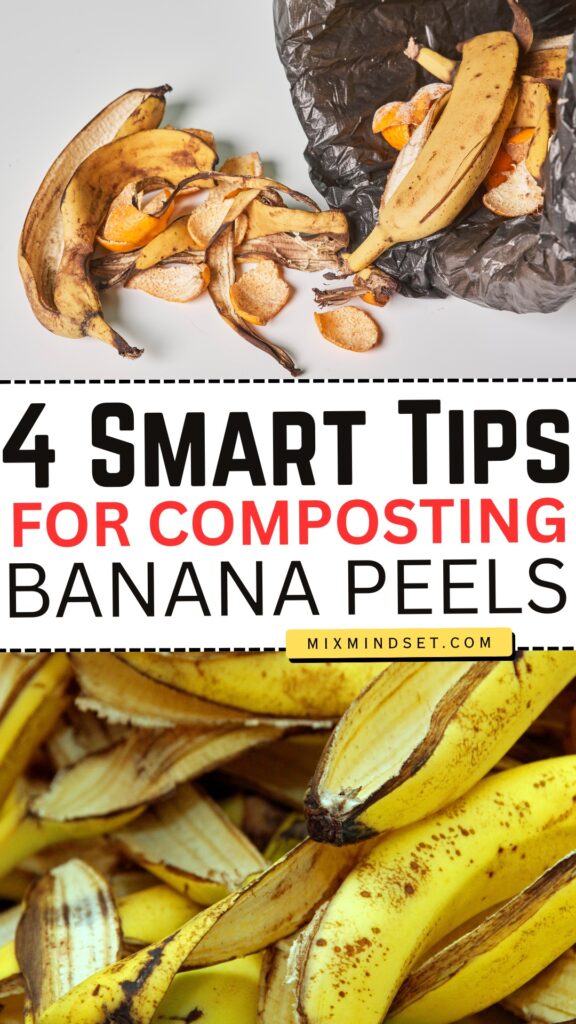
A few years ago, I used to toss my banana peels straight into the trash without a second thought. Then I learned that those peels are packed with nutrients that my garden desperately needed.
Potassium, phosphorus, calcium, and magnesium—everything my tomatoes and roses were craving. I started composting them, and the difference in my plants was incredible.
But I also made mistakes along the way. I threw in whole peels, didn’t balance my compost, and ended up with a smelly mess.
Once I figured out the right way to do it, my compost pile became the healthiest it had ever been. Here are four smart tips to help you compost banana peels the right way.
Tip 1: Chop or Tear Peels into Smaller Pieces
A whole banana peel can take a long time to break down—sometimes months or even years. But when you chop them into smaller pieces, you speed up the process dramatically.
Why it works: Smaller pieces have more surface area, which gives microbes more space to do their work. The decomposition happens faster, and the nutrients become available to your plants sooner.
How to do it:
- Use a knife to cut peels into 1- to 2-inch pieces.
- Or simply tear them with your hands.
- For even faster breakdown, toss them in a blender with a little water to make a slurry.
My personal experience: The first time I threw a whole banana peel into my compost, it sat there for weeks looking exactly the same. Now I chop everything up, and my compost breaks down in half the time.
Tip 2: Balance with “Brown” Materials
Banana peels are considered a “green” material in composting terms. This means they are rich in nitrogen, which fuels the composting process. But if you add too many greens without enough browns, your pile can become smelly and slimy.
Why it works: Browns—like dried leaves, cardboard, straw, or shredded paper—provide carbon, which balances the nitrogen from the peels. The right balance helps your compost break down efficiently without odors.
How to do it:
- Aim for a ratio of about 2 parts browns to 1 part greens in your compost pile.
- After adding banana peels, toss in some dried leaves or shredded cardboard.
- Mix everything together well.
The golden rule: If your compost pile starts to smell, you need more browns.
Tip 3: Bury Peels Deep in Your Pile
Banana peels are sweet, and pests love them. Fruit flies, gnats, rodents, raccoons, and possums are all attracted to the smell.
Why it works: Burying the peels deep in your compost pile—under a layer of browns—hides the smell and keeps pests away.
How to do it:
- Place your chopped banana peels in the center of your compost pile.
- Cover them with a thick layer of brown materials like leaves or cardboard.
- Turn the pile regularly to keep everything mixed and aerated.
My personal experience: I once left banana peels sitting on top of my compost pile. Within a day, fruit flies had taken over. Now I always bury them deep, and I never have that problem anymore.
Tip 4: Make Banana Peel Fertilizer Tea
You don’t have to wait for your compost to finish to start using banana peels. You can make a quick liquid fertilizer that gives your plants an immediate boost.
Why it works: Soaking banana peels in water leaches out their nutrients, creating a mild, potassium-rich liquid fertilizer that plants love.
How to do it:
- Chop up a few banana peels and place them in a jar or bucket.
- Fill with water and let it sit for 24 to 48 hours.
- Strain out the peels.
- Dilute the liquid with about five parts fresh water to one part banana tea.
- Use it to water your plants about once a week.
Important: This tea is a mild supplement, not a complete fertilizer. Use it alongside your regular feeding routine.
Quick Reference Table: 4 Tips at a Glance
| Tip | What to Do | Why It Matters |
|---|---|---|
| Chop peels | Cut into 1- to 2-inch pieces | Speeds up decomposition |
| Balance with browns | Add dried leaves, cardboard, or straw | Prevents odors and keeps pile healthy |
| Bury deep | Place peels in the center and cover with browns | Keeps pests away |
| Make tea | Soak peels in water for 24-48 hours | Provides a quick nutrient boost to plants |
Common Mistakes to Avoid
The Bottom Line
Composting banana peels is one of the easiest ways to recycle kitchen waste and feed your garden at the same time. Chop them up to speed up decomposition. Balance them with brown materials to keep your pile healthy. Bury them deep to avoid attracting pests. And if you want a quick boost for your plants, brew a batch of banana peel tea.
I started composting banana peels a few years ago, and now I never throw them away. My garden is healthier, my plants are happier, and I’m keeping waste out of the landfill. You can do this too. Give these tips a try and watch your garden thrive.