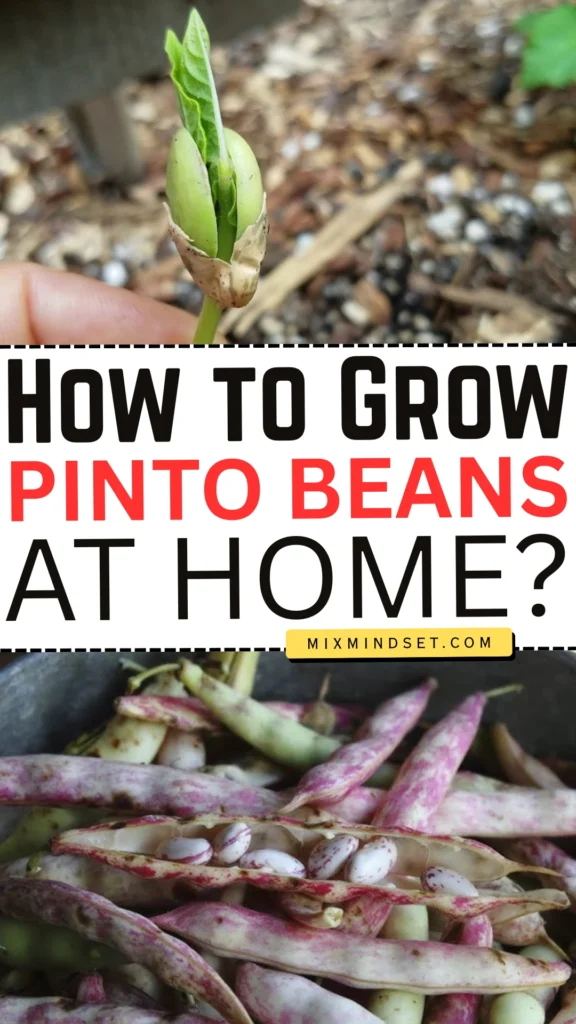
How to Grow Pinto Beans at Home?
Grow creamy, delicious pinto beans right in your backyard or on a sunny patio with this complete beginner-friendly guide. From planting seeds to harvesting dried beans for winter meals, this covers everything you need to know for a successful harvest. #GrowPintoBeans #VegetableGardening #DIYGarden #HomegrownFood #SustainableLiving
A few years ago, I was tired of buying bags of dried pinto beans from the store. I thought, “Why not grow my own?” I ordered some seeds, picked a sunny spot in my garden, and planted them.
I had no idea what I was doing, but the seeds sprouted quickly and grew into beautiful, bushy plants. By the end of summer, I had harvested dozens of pods filled with speckled beans.
The feeling of cooking a pot of chili with beans I had grown myself was incredibly satisfying. If I can do it, you can too.
What Are Pinto Beans?
Pinto beans are one of the most popular dried beans in the United States. They are part of the common bean group, which also includes kidney beans and green beans. The name “pinto” means “painted” in Spanish, and it refers to the beautiful speckled pattern on the dried beans. They have a creamy texture and an earthy, mild flavor that makes them perfect for refried beans, chili, soups, and stews.
Pinto beans come in two main types: bush beans and pole beans. Bush beans grow as compact plants about 2 feet tall and do not need support. Pole beans are vines that can reach up to 6 feet and need a trellis or fence to climb. For beginners, bush beans are usually easier to manage, but pole beans can produce more beans per plant if you have the space.
What You Will Need
Step 1: Choose Your Variety
Most seed companies sell pinto beans under the general name “pinto beans,” but there are some named varieties with special traits.
For most home gardens, Othello or Burke are excellent choices. They are reliable, productive, and forgiving.
Step 2: When to Plant
Pinto beans are warm-weather lovers. They will not grow in cold soil.
The simple rule: Plant your seeds after all danger of frost has passed and the soil has warmed to at least 60°F (15°C). The ideal soil temperature for germination is around 65°F to 70°F.
In most areas, this is about 4 to 6 weeks after your last frost date. Pinto beans thrive in daytime temperatures between 80°F and 90°F (27°C to 32°C).
Important: Pinto beans do not like to be transplanted. They do best when seeds are planted directly in the ground or in their final container. If you have a short growing season, you can start them indoors in large pots, but you must be very careful not to disturb the roots when moving them outside.
Step 3: How to Plant
Direct Sowing in the Ground
Step 1: Choose a sunny spot with well-draining soil. Rotate your crops so beans are not grown in the same spot for three or four years to reduce disease risk.
Step 2: Plant the seeds 1 to 2 inches deep.
Step 3: Space seeds 4 to 6 inches apart in rows that are 21 to 30 inches apart.
Step 4: Water gently after planting.
Container Growing
Pinto beans grow very well in containers. Choose a pot that is at least 8 to 10 inches in diameter and 10 to 12 inches deep. For a 2½-gallon container, plant three or four beans around the outside. Make sure the pot has drainage holes. Use a high-quality potting mix.
My personal experience: I grew pinto beans in 5-gallon buckets on my patio one year. I planted four seeds per bucket, and they grew into beautiful, productive plants. The beans were easy to harvest, and I got a surprising amount of beans from just a few buckets.
Step 4: Water and Care
Watering
Pinto beans need about 1 inch of water per week. Water deeply once a week, keeping the soil moist but not waterlogged. The roots are fairly shallow, absorbing most water from the top 18 inches of soil.
Water at the base of the plant, not overhead, to prevent disease. Overwatering can lead to root rot and other diseases.
Sunlight
Pinto beans need at least 6 hours of direct sunlight daily. They will not produce well in shade.
Weeding
Keep the area around your beans free of weeds, especially in the first month after planting. Be careful not to disturb the shallow roots when weeding.
Step 5: Fertilizing and Soil Care
Pinto beans are legumes, which means they have a special ability: they fix nitrogen in the soil. With the help of soil bacteria called rhizobia, they take nitrogen from the air and convert it into a form that plants can use.
The simple rule: Pinto beans generally do not need extra fertilizer, especially nitrogen-rich ones. Too much nitrogen can actually reduce bean production. If your soil is poor, you can add a low-nitrogen fertilizer at planting time, like a 5-10-10 blend.
Optional but recommended: Treat your seeds with a bean inoculant before planting. This product contains the beneficial bacteria that help the roots form nodules and fix nitrogen. To use it, soak the beans and then roll them in the inoculant powder, or sprinkle the powder into the planting hole.
Step 6: Support for Pole Beans
If you are growing a pole bean variety, you will need to provide support.
What to use: A trellis, a fence, a teepee of bamboo poles, or even a sturdy string system.
How to do it: Set up your support before or at planting time so you do not disturb the roots later. The vines will climb naturally. They can reach up to 6 feet tall.
Bush beans do not need any support. They grow into compact plants about 2 feet tall.
Step 7: Harvesting
Harvesting pinto beans is a two-step process: you wait for the pods to dry on the plant, then you shell them.
When to Harvest
Pinto beans take about 90 to 100 days to mature from planting. You will know they are ready when:
- The pods turn yellow or brown.
- The pods feel dry and make a rattling sound when you shake them.
- Most of the pods on the plant have turned color.
Wait until the pods are fully dry on the plant. Do not harvest too early, as the beans will not be fully developed.
How to Harvest
Step 1: Pull up the entire plant when most of the pods are dry.
Step 2: Hang the plants upside down in a dry, well-ventilated area for a week or two to finish drying.
Step 3: Once the pods are completely dry and brittle, remove the beans from the pods by hand. You can also put the pods in a pillowcase and gently crush them to release the beans.
Step 4: Discard any beans that are damaged or diseased.
Step 8: Storing Pinto Beans
How to store: Once the beans are completely dry and hard, store them in an airtight container in a cool, dark place.
How long they last: Properly stored dry pinto beans can last 1 to 2 years. They are excellent storage crops that can provide protein and fiber all winter.
Quick Reference Table: Pinto Bean Care at a Glance
| Task | What to Do | When |
|---|---|---|
| Plant seeds | 1-2 inches deep, 4-6 inches apart | After last frost, soil at 60°F (15°C) |
| Sunlight | At least 6 hours of direct sun | Daily |
| Water | 1 inch per week, deeply at base | Throughout growing season |
| Fertilizer | Low-nitrogen (5-10-10) at planting; typically unnecessary | At planting |
| Support | Trellis for pole beans | At planting time |
| Harvest | When pods are yellow, dry, and rattle | 90-100 days after planting |
| Store | In airtight container in cool, dark place | After fully dried |
Common Problems and How to Fix Them
My Personal Pinto Bean Journey
The first time I grew pinto beans, I didn’t use inoculant, and I didn’t fertilize at all. I just planted the seeds, watered them, and let them grow. The plants were healthy and produced a good number of pods. That year, I harvested enough beans to make several pots of chili. The best part was knowing that I had grown them myself, from seed to table. It felt like a small miracle. Now I grow pinto beans every year, and I always save some seeds for the next season.
The Bottom Line
Growing pinto beans is one of the easiest and most rewarding vegetable gardening projects you can try. They are low-maintenance, drought-tolerant, and they actually improve your soil by fixing nitrogen. Plant them in a sunny spot after the soil has warmed up, water them consistently, and wait for the pods to dry on the plant. In about 90 to 100 days, you will have your own homegrown pinto beans to enjoy all winter long.
I went from buying bags of beans at the store to growing my own supply. You can do this too. Grab some seeds, find a sunny spot, and enjoy the satisfaction of growing your own food.