How to Reuse Old Potting Soil and Save Money?
Save money on gardening by reusing old potting soil instead of buying new bags every season. This guide covers simple steps to refresh, sterilize, and revitalize used soil for healthy plants. #PottingSoil #GardeningHacks #SaveMoney #DIYGarden #SustainableGardening
A few years ago, I was spending a small fortune on bags of fresh potting soil every spring. My container garden had grown, and the cost of filling all those pots was getting out of hand.
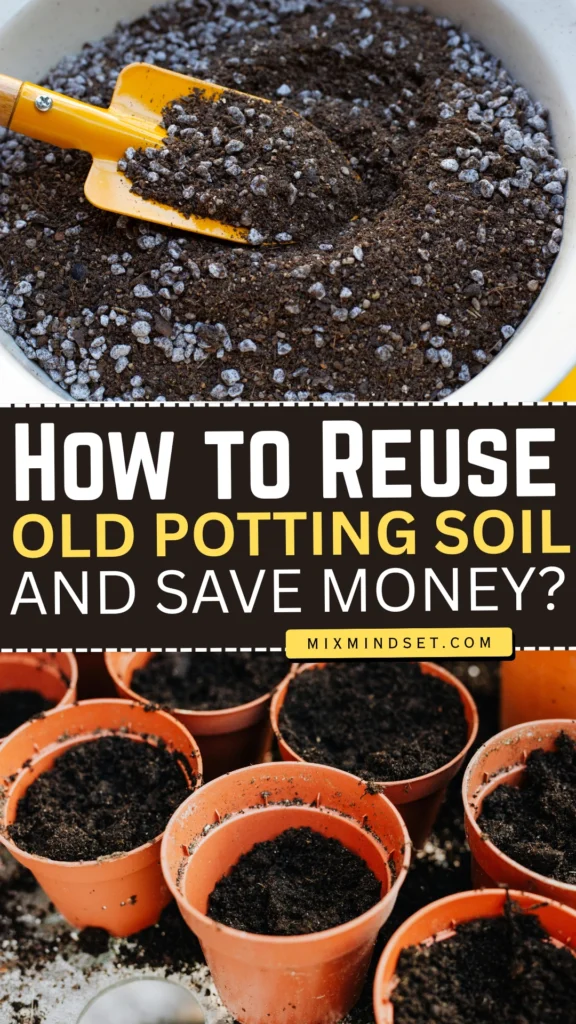
I started wondering if I could reuse the soil from the previous year. I tried it without doing anything to it—big mistake.
My plants were stunted and sickly. Then I learned the right way to refresh old soil. Now I reuse my potting soil every year and save a ton of money. Here is exactly how I do it.
Why Reuse Potting Soil?
Potting soil is expensive. A single bag can cost $10 to $20, and if you have a lot of containers, the cost adds up quickly. Reusing old soil can cut your gardening budget significantly.
The simple rule: You can reuse potting soil if the plants that grew in it were healthy. If your plants had diseases or pests, you should throw the soil away or sterilize it first.
When NOT to Reuse Potting Soil
Before you start, check if your soil is safe to reuse.
Throw it away or sterilize it if:
- The previous plants had diseases. Fungal or bacterial diseases can overwinter in the soil and infect your new plants. Powdery mildew and Fusarium wilt are two examples.
- The plants had pests. Insects and their eggs can survive in the soil.
- You see mold or discoloration. White, orange, or pink mold on the soil means it should not be reused.
- The soil smells bad. Healthy soil should smell earthy. A sour or rotten smell means trouble.
My personal experience: I once tried to reuse soil that had grown tomatoes with blossom end rot. I didn’t think much of it. The next year, my new tomato plants got the same problem. I learned that diseases can linger in the soil. Now I never reuse soil from sick plants.
Step 1: Inspect and Clean the Soil
Start by getting all your old soil out of the pots. Dump it onto a tarp or into a large plastic tub.
What to do:
- Remove debris. Pick out old plant roots, stems, leaves, and any other leftover plant material.
- Break up clumps. Old potting soil tends to get compacted. Use your hands or a garden fork to break it apart into smaller pieces.
- Check for pests. Look for insects, grubs, or their eggs. If you find any, consider sterilizing the soil or throwing it away.
- Check the texture. Healthy potting soil should feel light and fluffy. If it feels heavy, compacted, or dusty, it needs help.
Pro tip: Do this on a dry, sunny day. Dry soil is easier to work with and breaks apart more easily.
Step 2: Sterilize the Soil (If Needed)
If you are worried about diseases or pests, you can sterilize the soil. This kills pathogens and weed seeds. However, it also kills beneficial microorganisms, so you will need to add them back later.
Option 1: Solarization (Easiest and Most Natural)
This uses the sun’s heat to sterilize the soil. It leaves no chemical residue.
What to do:
- Moisten the soil slightly. It should be damp, not soaking wet.
- Place the soil in a black plastic trash bag or a lidded plastic container.
- Seal the bag or container.
- Leave it in the sunniest spot in your yard for 4 to 12 weeks.
- The heat will kill pathogens and weed seeds.
When to do it: Start this process in late spring or early summer when the sun is strongest. By fall, your soil will be ready to use.
Option 2: Oven Sterilization (Faster but Messy)
What to do:
- Preheat your oven to 175-200°F (80-93°C).
- Spread the soil on a baking pan. It should be no more than 4 inches deep.
- Cover with foil.
- Bake for 30 minutes or until the soil reaches 180°F.
- Let it cool completely before using.
Warning: This will make your house smell earthy. Some people find the smell unpleasant.
Option 3: Microwave Sterilization (Quickest)
What to do:
- Place 2 pounds of moist soil in a microwave-safe container.
- Cover with plastic wrap.
- Microwave on full power for 90 seconds.
- Check that the soil reaches 180°F with a thermometer.
- Let it cool before using.
Note: Only do small batches at a time.
Step 3: Replenish Nutrients
Old potting soil has lost most of its nutrients. Plants use them up over the season. You need to add them back.
The 50/50 Mix (Easiest)
Mix your old soil with an equal amount of fresh potting mix or compost.
This simple mix replaces nutrients and improves the soil structure.
Add Organic Matter
You can also add these ingredients to boost your soil:
Add Fertilizer
Add a slow-release fertilizer to give your plants a steady supply of nutrients.
- Use an all-purpose, slow-release organic fertilizer.
- Add ½ cup of balanced fertilizer (like 10-10-10) for every 5 gallons of soil.
- Or add a handful of blood, fish, and bone meal.
Step 4: Check the pH
Over time, potting soil can become too acidic or too alkaline. A simple soil pH test kit can tell you where your soil stands.
Ideal pH range: Most plants prefer a pH between 6.0 and 7.0. If your soil is too acidic, add lime. If it is too alkaline, add sulfur.
Alternative Uses for Old Potting Soil
If you do not want to reuse old soil in containers, here are other ways to use it.
How to Store Old Potting Soil
If you are not ready to reuse your soil right away, store it properly.
- Do not let it dry out completely. Soil that is bone dry takes longer to rehydrate.
- Store it in a sealed container or bag to keep pests out.
- Keep it in a cool, dry place out of direct sunlight.
Quick Reference Table: Reusing Potting Soil
| Step | What to Do | Why |
|---|---|---|
| 1. Inspect | Check for pests, diseases, and debris | Prevents problems in new plants |
| 2. Clean | Remove roots, stems, and break up clumps | Improves texture and aeration |
| 3. Sterilize (if needed) | Use solarization, oven, or microwave | Kills pathogens and weed seeds |
| 4. Replenish nutrients | Mix with compost or new potting soil | Adds back lost nutrients |
| 5. Add fertilizer | Mix in slow-release organic fertilizer | Provides steady nutrition |
| 6. Check pH | Test and adjust if needed | Ensures plants can absorb nutrients |
My Personal Potting Soil Routine
Here is what I actually do in my garden. You can copy this.
Every fall:
- I empty my pots and dump the soil onto a tarp.
- I pick out old roots and debris.
- I break up clumps with my hands.
- I store the soil in a covered container over winter.
Every spring:
- I mix my old soil with fresh compost in a 50/50 ratio.
- I add a handful of slow-release fertilizer.
- I fill my pots and plant as usual.
If a plant was sick:
- I do not reuse that soil. I add it to my compost pile instead.
Since I started this routine, I have saved over $100 a year on potting soil. My plants are just as healthy as when I used fresh soil.
The Bottom Line
You do not need to buy new potting soil every season. Old potting soil can be reused if you take the time to refresh it. Inspect the soil, remove debris, and sterilize if needed. Then replenish nutrients by mixing with fresh compost, new potting mix, and slow-release fertilizer.
I started reusing my potting soil a few years ago, and I have not looked back. It saves money, reduces waste, and my plants are happy and healthy. You can do this too. Give your old soil a second life and watch your garden thrive.