41+ Gallbladder Diet Recipes Ideas
If you’ve ever had a gallbladder attack, you know the feeling: sudden, intense pain in your upper right abdomen, often after a fatty meal. It can radiate to your shoulder or back, leaving you doubled over.
For many, the solution is gallbladder removal (cholecystectomy). But even after surgery, or if you’re managing gallstones without surgery, what you eat makes all the difference.
The gallbladder stores bile, a digestive fluid that helps break down fats. When you eat a high-fat meal, your gallbladder contracts and releases bile. If you have gallstones, that contraction can push a stone into the bile duct, causing excruciating pain.
After gallbladder removal, bile drips continuously into your intestine, which can cause diarrhea, bloating, and discomfort — especially after fatty meals.
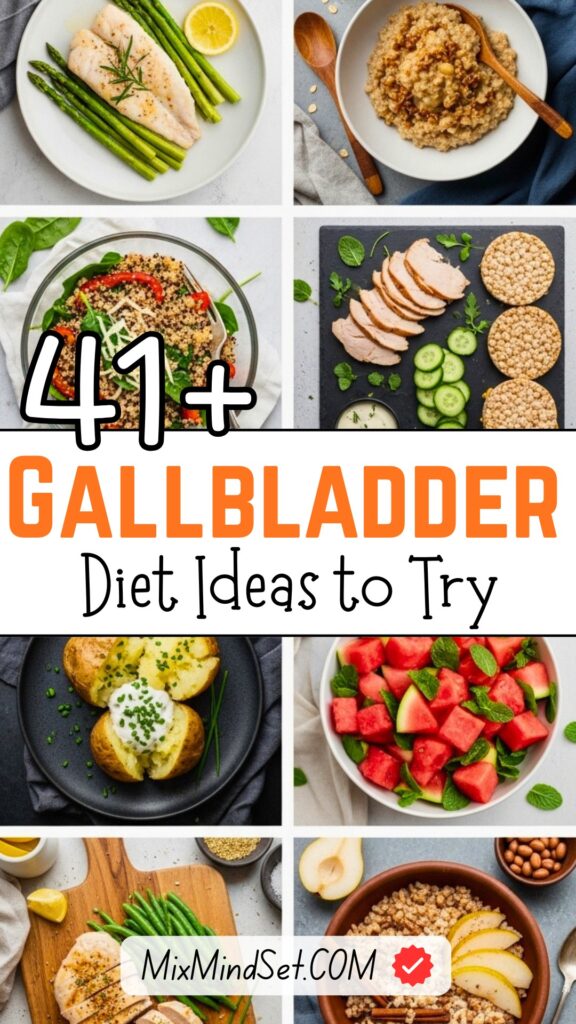
A gallbladder-friendly diet is low in fat, moderate in protein and fiber, and gentle on digestion. This guide gives you over 41 practical meal ideas, three complete recipes, and a clear roadmap to eat without fear of pain. No complicated rules — just real, soothing food.
What Is a Gallbladder Diet? (The 4 Simple Rules)
Whether you have gallstones or no gallbladder at all, these four principles will keep you comfortable.
The 4 Golden Rules
- Eat very low fat – Fat triggers gallbladder contraction. After a fatty meal, pain can start within 30-60 minutes. Aim for less than 30% of calories from fat, and keep each meal under 10g of fat (ideally under 5g if you’re very sensitive).
- Avoid fried foods, fatty meats, and full-fat dairy – These are the most common triggers. Think french fries, bacon, butter, cream sauces, fatty cuts of beef or pork.
- Eat small, frequent meals – Large meals cause a large release of bile, increasing pressure and pain risk. Eating 4-6 small meals spreads out bile use.
- Increase fiber slowly – Fiber binds to bile acids and helps excrete them. But too much fiber too quickly can cause gas and bloating. Add it gradually.
Key fact: After gallbladder removal, about 40% of people experience post-cholecystectomy syndrome (diarrhea, bloating, pain). A low-fat diet reduces these symptoms dramatically.
Foods to Eat and Avoid: Quick Reference Table
Gallbladder-Friendly Foods (Eat Freely)
| Category | Best Choices |
|---|---|
| Lean proteins | Skinless chicken breast, turkey breast, white fish (cod, tilapia, haddock), egg whites, tofu, lentils, beans (in small amounts) |
| Low-fat dairy | Skim milk, non-fat Greek yogurt, low-fat cottage cheese, part-skim mozzarella, low-fat cheese (in moderation) |
| Vegetables | All non-starchy: leafy greens, broccoli, cauliflower, carrots, zucchini, bell peppers, asparagus, green beans |
| Fruits | All fresh fruits: apples, bananas, berries, oranges, pears, melon (avoid very acidic if sensitive) |
| Whole grains | Oats, brown rice, quinoa, whole wheat bread, whole grain pasta, barley, couscous |
| Healthy fats (tiny amounts) | Olive oil (1 tsp per meal max), avocado (1-2 thin slices), nuts (2-3 only), seeds (1 tsp) |
| Beverages | Water, herbal tea, non-fat broth, diluted fruit juice (no added fat) |
| Herbs & spices | All herbs, salt, pepper, garlic (if tolerated), ginger, turmeric |
Foods to Limit or Avoid (Common Triggers)
| Category | Avoid These |
|---|---|
| High-fat meats | Fatty beef, pork, lamb, sausage, bacon, deli meats (most), duck, goose |
| Fried foods | French fries, fried chicken, doughnuts, onion rings, tempura |
| Full-fat dairy | Whole milk, cream, butter, full-fat yogurt, cheese (except low-fat), ice cream |
| Oils & fats | Butter, lard, shortening, coconut oil, palm oil, margarine, mayonnaise, creamy dressings |
| Egg yolks | High in fat; limit to 1-2 per week. Use egg whites freely. |
| Processed snacks | Chips, cookies, pastries, cakes, chocolate (especially milk chocolate) |
| High-fat plant foods | Avocado (in more than ¼ of a fruit), nuts (more than a few), coconut, seeds (large amounts) |
| Spicy foods | May irritate some people after gallbladder removal |
| Caffeine & alcohol | Can trigger diarrhea in some post-surgery patients |
Note: Everyone’s tolerance is different. After gallbladder removal, you may eventually tolerate more fat. Start low and test gradually.
41+ Gallbladder Diet Meal Ideas (By Meal)
Here are over 41 simple, low-fat meal ideas to keep you comfortable and well-nourished.
Breakfast Ideas (10 Ideas)
- Egg white scramble – 3 egg whites, 1 cup spinach, ¼ cup diced bell peppers. Cook with 1 tsp olive oil or non-stick spray.
- Oatmeal with berries – ½ cup rolled oats cooked with water or skim milk. Top with ½ cup blueberries and 1 tsp honey.
- Non-fat Greek yogurt parfait – ¾ cup non-fat plain Greek yogurt, ½ cup sliced strawberries, 1 tbsp low-fat granola.
- Banana rice cakes – 2 brown rice cakes, ½ sliced banana, sprinkle of cinnamon.
- Cottage cheese & peach – ½ cup low-fat cottage cheese, ½ cup sliced peaches (in juice, drained).
- Whole grain toast with jam – 1 slice whole wheat bread, 1 tsp fruit jam (no butter).
- Quinoa breakfast bowl – ½ cup cooked quinoa, ½ cup unsweetened almond milk, 1 tsp maple syrup, ¼ cup raspberries.
- Apple slices with 1 tbsp peanut butter (natural, low-fat peanut butter is fine)
- Oat bran porridge – ½ cup oat bran cooked with skim milk, topped with sliced banana.
- Leftover brown rice & steamed vegetables – A light, low-fat breakfast from last night’s dinner.
Lunch Ideas (12 Ideas)
- Grilled chicken & quinoa salad – 3 oz grilled chicken breast, ¾ cup quinoa, cucumber, cherry tomatoes, lemon juice (no oil).
- Turkey & hummus wrap – Whole wheat tortilla, 3 oz sliced turkey breast, 2 tbsp hummus (low-fat), shredded lettuce, carrots.
- Lentil & vegetable soup – Homemade with lentils, carrots, celery, low-sodium broth (no oil or minimal).
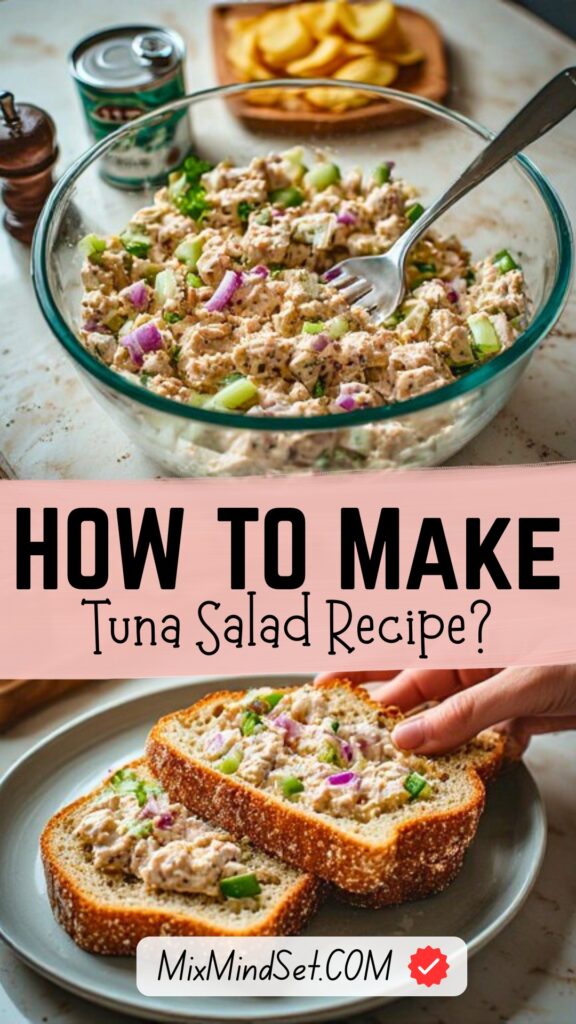
- Tuna salad on whole grain bread – Canned tuna (in water, drained), mixed with non-fat Greek yogurt and diced celery.
- Egg white salad sandwich – Chopped egg whites (3) mixed with non-fat yogurt and mustard, on whole grain bread.
- Black bean & corn salsa bowl – ½ cup black beans (rinsed), ¼ cup corn, diced bell peppers, lime juice, over ½ cup brown rice.
- Leftover baked cod & steamed green beans – Gentle, low-fat, and filling.
- Rice noodle & vegetable broth bowl – Rice noodles, bok choy, carrot strips, low-sodium broth, fresh ginger.
- Hummus & veggie plate – ¼ cup low-fat hummus, carrot sticks, cucumber rounds, bell pepper strips, plus 2 whole grain crackers.
- Chicken & wild rice soup – Homemade with shredded chicken, wild rice, carrots, celery, low-sodium broth.
- Baked potato (no butter) – 1 medium baked potato, topped with non-fat Greek yogurt and chives.
- Zucchini noodles with marinara – Spiralized zucchini, ½ cup low-fat marinara sauce (no oil), 2 tbsp part-skim ricotta.
Dinner Ideas (12 Ideas)
- Baked cod with roasted asparagus – 5 oz cod, 1 cup asparagus, lemon slices, herbs. Bake with 1 tsp olive oil. Serve with ½ cup brown rice.
- Skinless chicken breast & steamed broccoli – 4 oz chicken, 1 cup broccoli, ½ cup quinoa. Season with herbs, no butter.
- Turkey meatballs (lean) with zucchini noodles – Ground turkey (99% lean), breadcrumbs, egg whites, herbs. Bake, serve over zucchini with marinara.
- Lentil shepherd’s pie – Lentil-mushroom filling topped with mashed potatoes (no butter, use skim milk).
- Shrimp & vegetable stir-fry – 4 oz shrimp, broccoli, snap peas, carrots, ginger, low-sodium tamari. Serve over brown rice.
- White bean & kale soup – Cannellini beans, kale, carrots, celery, low-sodium broth, thyme. No oil.
- Baked tofu & sweet potato – Cubed firm tofu, sweet potato wedges, rosemary, 1 tsp olive oil. Bake at 400°F for 20 minutes.
- Stuffed bell peppers – Bell peppers filled with ground turkey (99% lean), brown rice, diced zucchini, no cheese.
- Poached salmon (very light oil) – 5 oz salmon poached in water with dill and lemon. Serve with steamed carrots and quinoa.
- Chicken & rice casserole (low-fat) – Shredded chicken, brown rice, skim milk, celery, parsley, baked without butter or cheese.
- Eggplant & chickpea stew – Eggplant, chickpeas, zucchini, low-sodium broth, turmeric, ginger. No oil.
- Scallop & vegetable skewers – Scallops, bell peppers, zucchini, grilled with a light spray of oil. Serve with couscous.
Snack Ideas (7 Ideas)
- Apple slices (1 medium)
- Rice cakes (2) with a thin smear of jam
- Non-fat Greek yogurt (½ cup) with 1 tsp honey
- Hard-boiled egg white (2 whites)
- Baby carrots (1 cup)
- Small banana
- Low-fat cottage cheese (¼ cup) with cucumber slices
- Handful of air-popped popcorn (no butter, light salt)
- Canned peaches in juice (½ cup, drained)
3 Complete Gallbladder Diet Recipes (Numbered)
Recipe 1: Egg White & Spinach Breakfast Scramble
This protein-packed, zero-fat (except the tiny amount of oil) breakfast won’t trigger your gallbladder.
Ingredients:
| Ingredient | Amount |
|---|---|
| Liquid egg whites (or 3 large egg whites) | ½ cup (or 3 whites) |
| Fresh spinach | 1 cup |
| Diced bell pepper (any color) | ¼ cup |
| Nutritional yeast (optional, for cheesy flavor) | 1 tbsp |
| Garlic powder | ¼ tsp |
| Black pepper | To taste |
| Olive oil spray | 1 spray |
Instructions:
- Heat a non-stick skillet over medium heat. Lightly spray with olive oil.
- Add bell pepper and sauté for 2 minutes.
- Add spinach and cook until wilted (about 1 minute).
- Pour in egg whites. Sprinkle with garlic powder, pepper, and nutritional yeast.
- Scramble gently until egg whites are fully set (about 2-3 minutes).
- Serve immediately with a slice of whole grain toast (optional).
Nutritional Facts (per serving):
| Nutrient | Amount |
|---|---|
| Calories | 110 |
| Protein | 18g |
| Carbohydrates | 7g |
| Fiber | 3g |
| Total Fat | 1g |
| Saturated Fat | 0g |
| Cholesterol | 0mg |
| Sodium | 210mg |
Recipe 2: Lean Turkey & Lentil Soup (No Fat Added)
This hearty soup is filling, flavorful, and completely gallbladder-friendly. No oil, no fatty meat.
Ingredients (makes 4 servings):
| Ingredient | Amount |
|---|---|
| Extra lean ground turkey (99% fat-free) | 1 lb |
| Brown or green lentils (rinsed) | ½ cup |
| Low-sodium chicken or vegetable broth | 6 cups |
| Carrots (diced) | 2 medium |
| Celery stalks (diced) | 2 |
| Zucchini (diced) | 1 medium |
| Dried thyme | 1 tsp |
| Dried oregano | ½ tsp |
| Fresh parsley (chopped) | ¼ cup |
| Salt | ¼ tsp (or to taste) |
Instructions:
- In a large pot, brown the ground turkey over medium heat (no oil needed if using a non-stick pan). Cook until no longer pink, breaking it into small pieces.
- Add carrots and celery. Cook for 3 minutes.
- Add lentils, broth, thyme, and oregano. Bring to a boil.
- Reduce heat and simmer for 25 minutes until lentils are tender.
- Add zucchini and simmer 5 more minutes.
- Stir in parsley and salt. Serve warm.
Nutritional Facts (per serving – 1.5 cups):
| Nutrient | Amount |
|---|---|
| Calories | 290 |
| Protein | 32g |
| Carbohydrates | 28g |
| Fiber | 10g |
| Total Fat | 5g |
| Saturated Fat | 1g |
| Cholesterol | 55mg |
| Sodium | 320mg |
Recipe 3: Baked Lemon Cod with Steamed Green Beans
White fish is naturally low in fat. Baking with a tiny amount of oil keeps it moist without triggering symptoms.
Ingredients:
| Ingredient | Amount |
|---|---|
| Cod fillet (or other white fish) | 5 oz |
| Fresh green beans (trimmed) | 1 cup |
| Lemon juice (fresh) | 1 tbsp |
| Fresh dill (or ½ tsp dried) | 1 tbsp |
| Garlic powder | ¼ tsp |
| Black pepper | To taste |
| Olive oil | 1 tsp |
| Quinoa (cooked) | ½ cup |
Instructions:
- Preheat oven to 400°F (200°C). Line a baking sheet with parchment.
- Place cod on the sheet. Drizzle with olive oil and lemon juice.
- Sprinkle with dill, garlic powder, and pepper.
- Bake for 10-12 minutes until fish flakes easily with a fork.
- Meanwhile, steam green beans over boiling water for 5 minutes until tender-crisp.
- Serve cod with green beans and ½ cup cooked quinoa.
Nutritional Facts (per serving):
| Nutrient | Amount |
|---|---|
| Calories | 340 |
| Protein | 32g |
| Carbohydrates | 30g |
| Fiber | 6g |
| Total Fat | 8g |
| Saturated Fat | 1g |
| Cholesterol | 55mg |
| Omega-3 fatty acids | ~0.3g |
5 Common Mistakes on a Gallbladder Diet
1. Going completely fat-free.
Your body needs some fat to absorb fat-soluble vitamins (A, D, E, K) and for hormone production. Extremely low-fat diets can lead to deficiencies.
Solution: Aim for 10-15g of healthy fat per day, spread across meals. Use 1 tsp of olive oil or a few slices of avocado.
2. Eating too much fiber too quickly.
After gallbladder removal, some people increase fiber dramatically, leading to gas, bloating, and diarrhea.
Solution: Increase fiber gradually over 2-3 weeks. Drink plenty of water.
3. Ignoring portion sizes of “healthy” low-fat foods.
Even low-fat foods eaten in large volumes can overstimulate bile release.
Solution: Eat 4-6 small meals rather than 2-3 large ones.
4. Assuming you can never eat fat again.
Many people can slowly reintroduce small amounts of healthy fat over time. After 6-12 months, you may tolerate nuts, avocado, or even a small piece of salmon.
Solution: After you’ve been symptom-free for 2-3 months, test one new fat source in a tiny amount.
5. Forgetting to stay hydrated.
Bile is mostly water. Dehydration makes bile thicker and more likely to form stones or cause sludge.
Solution: Drink 8-10 cups of water daily.
Frequently Asked Questions
Do I need to avoid all fats if I have gallstones?
During an active gallbladder attack or if you have large stones, yes — avoid high-fat meals completely. Between attacks, you can include very small amounts of healthy fat (1 tsp olive oil, a few nuts). Fat is necessary for nutrition, but keep it minimal.
What about after gallbladder removal?
For the first 2-4 weeks after surgery, stick to a very low-fat diet (less than 5g per meal). Then gradually reintroduce small amounts of healthy fats. Most people can eventually tolerate 30-50g of fat per day, but some remain sensitive.
Can I eat eggs?
Egg yolks are high in fat (about 5g per yolk). Egg whites are fat-free and safe. Solution: Use egg whites freely. Limit whole eggs to 1-2 per week, and only if tolerated.
Is coffee allowed?
Caffeine can stimulate gallbladder contraction and may trigger pain in some people. After surgery, coffee may worsen diarrhea.
Solution: Test carefully. Decaf or herbal tea is safer.
What about alcohol?
Alcohol stimulates bile production and can irritate the digestive tract. After gallbladder removal, alcohol may cause diarrhea.
Solution: Avoid during the first few months. If you tolerate low-fat foods well, test a small amount (half a glass) on a full stomach.
How long should I stay on a low-fat diet after gallbladder removal?
Most surgeons recommend a very low-fat diet for 2-4 weeks post-op. After that, slowly reintroduce healthy fats over 2-3 months. Keep a food diary. If you experience pain or diarrhea, back off and try again later.
Can a low-fat diet help prevent gallstones?
Yes, if you are at risk (overweight, rapid weight loss, pregnancy, family history). A diet high in fiber, moderate in healthy fats, and low in refined carbohydrates reduces gallstone risk. Avoid crash dieting — rapid weight loss actually increases gallstone risk.
Your Simple 1-Day Gallbladder Friendly Meal Plan
| Meal | Food |
|---|---|
| Breakfast | Egg white & spinach scramble + 1 slice whole grain toast |
| Morning snack | 1 apple |
| Lunch | Lean turkey & lentil soup (1.5 cups) + 2 rice cakes |
| Afternoon snack | ½ cup non-fat Greek yogurt with 1 tsp honey |
| Dinner | Baked lemon cod with steamed green beans and quinoa |
| Evening snack | 1 small banana |
Final Thoughts
A gallbladder diagnosis — whether stones or surgery — can feel like a life sentence of bland, joyless eating. But that’s not the truth. The truth is that your body is giving you clear signals. Learn to listen. Start with the gentle, low-fat meals in this guide. Notice what works. Slowly expand your diet as you heal.
Most people find that within a few months, they can enjoy a much wider variety of foods — including small amounts of healthy fats. You may never go back to a deep-fried feast, but you’ll discover new favorite meals that keep you pain-free.
Your gallbladder (or its absence) doesn’t define your life. It just asks you to eat with a little more intention. And that’s a gift, not a punishment.
Disclaimer: This article is for informational purposes only and does not constitute medical advice. If you have gallstones, suspect a gallbladder attack, or have recently undergone gallbladder removal surgery, follow your doctor’s specific dietary recommendations. Seek immediate medical attention for severe abdominal pain, fever, or jaundice.