How to Get Rid of Bloated Stomach?
That uncomfortable, tight, swollen feeling in your belly. Your pants feel too snug. You look down and you look pregnant even though you are not. You feel heavy, gassy, and just… off.
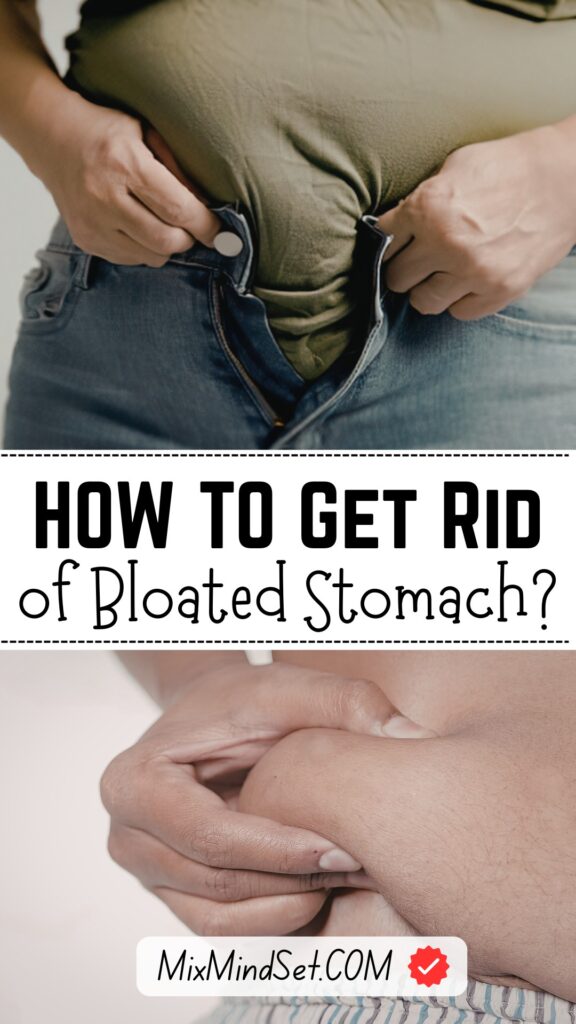
Bloating is incredibly common. It affects nearly everyone at some point. But here is the truth: Bloating is not the same as belly fat. Belly fat builds slowly over time. Bloating comes on fast – sometimes within an hour of eating – and goes away just as fast when you address the cause.
The good news? You do not need to live with it. Most bloating is caused by diet, digestion habits, or lifestyle factors that you can change immediately. This guide will walk you through the common causes, the foods that trigger bloat, the foods that relieve it, lifestyle fixes, and when to see a doctor. No more unbuttoning your pants after every meal. 🩴
Quick Navigation
1. What Is Bloating? (Gas vs. Water vs. Food Volume)
Bloating is a feeling of fullness, tightness, or swelling in the abdomen. It can be caused by three different things, and each requires a different solution.
| Type of bloat | Cause | Feels like | Solution |
|---|---|---|---|
| Gas bloat | Excess gas trapped in intestines | Sharp, moving cramps; need to pass gas | Avoid gas‑producing foods, eat slowly |
| Water bloat | Fluid retention (high sodium, hormones) | Puffy, heavy, rings feel tight | Reduce salt, drink more water, move |
| Food volume bloat | Large meal physically stretches stomach | Tight, distended belly after eating | Smaller portions, wait 2–3 hours |
💡 Key distinction: Bloating is temporary. If your belly is consistently large even in the morning before eating, that may be belly fat or a medical issue, not bloat.
2. Common Causes – Why You Are Bloated
Most bloating comes from everyday habits. Identify which of these apply to you.
Dietary causes:
| Cause | Why it causes bloat |
|---|---|
| Eating too fast | Swallows air, which gets trapped in the gut. |
| Carbonated drinks | Soda, seltzer, beer – all add gas directly to your stomach. |
| Chewing gum | You swallow air while chewing. |
| Dairy (if lactose intolerant) | Undigested lactose ferments in the gut. |
| Gluten (if sensitive) | Inflammation and gas. |
| Beans and lentils | Contain raffinose, a sugar humans cannot digest fully. |
| Cruciferous vegetables | Broccoli, cauliflower, cabbage – also high in raffinose. |
| Onions and garlic | High in fructans, which ferment. |
| Artificial sweeteners | Sorbitol, xylitol, mannitol – not fully absorbed. |
| High‑fat meals | Fat slows digestion, food sits longer, ferments. |
Lifestyle causes:
| Cause | Why it causes bloat |
|---|---|
| Constipation | Stool backs up, creating pressure and gas. |
| Stress | Alters gut bacteria and slows digestion. |
| Lack of sleep | Disrupts hormones that regulate digestion. |
| Hormonal cycle (women) | Progesterone slows digestion before period. |
| Overeating | Stomach stretches beyond comfortable capacity. |
| Not drinking enough water | Dehydration causes the body to hold onto water. |
| Too much salt | Causes water retention. |
✅ The good news: Most of these are within your control. A few small changes can eliminate 80% of your bloating.
3. Immediate Relief (What to Do Right Now)
If you are bloated right now and need fast relief, try these.
Instant actions (within 15 minutes):
| Action | How it helps |
|---|---|
| Go for a 10‑minute walk | Gentle movement encourages gas to pass and stimulates digestion. |
| Drink peppermint or ginger tea | Relaxes intestinal muscles, reduces gas. |
| Massage your belly | Lie down, rub your stomach in clockwise circles (follows colon direction). |
| Use a heating pad | Relaxes abdominal muscles, reduces cramping. |
| Try over‑the‑counter simethicone | Gas‑X or similar – breaks up gas bubbles. |
Within 1–2 hours:
| Action | How it helps |
|---|---|
| Drink a glass of warm water with lemon | Flushes system, aids digestion. |
| Avoid eating more | Give your digestive system a break. |
| Use the bathroom | If constipated, a gentle laxative or prune juice may help. |
| Lie on your left side | Gravity helps gas move through the colon. |
🚶 Pro tip: Never lie flat immediately after a bloating meal. Stay upright or walk for 30 minutes. Lying down traps gas.
4. Foods That Cause Bloating (And What to Eat Instead)
You do not need to eliminate all these foods forever. But if you are prone to bloating, reduce them or prepare them differently.
High‑bloat foods and better swaps:
| High‑bloat food | Why it bloats | Better swap |
|---|---|---|
| Beans, lentils | Raffinose (undigestible sugar) | Canned beans (rinsed) – lower in raffinose. Or use digestive enzymes (Beano). |
| Broccoli, cauliflower, cabbage | Raffinose + sulfur | Cook them thoroughly (steaming reduces bloat). Or try zucchini, spinach, asparagus. |
| Onions, garlic | Fructans | Use garlic‑infused oil (fructans not water‑soluble). Or use chives, leek greens. |
| Dairy milk | Lactose | Lactose‑free milk, almond milk, oat milk. Hard cheeses (cheddar, parmesan) are lower lactose. |
| Wheat bread | Fructans (also gluten for some) | Sourdough (fermentation breaks down fructans), gluten‑free bread, or rice. |
| Apples, pears | High fructose + sorbitol | Bananas, berries, oranges. |
| Watermelon | High fructose | Cantaloupe, honeydew. |
| Carbonated drinks | Direct gas | Flat water with lemon, herbal tea. |
| Chewing gum | Swallowed air + artificial sweeteners | Mint leaves, or just skip. |
Low‑bloat foods (safe bets):
| Category | Examples |
|---|---|
| Protein | Eggs, chicken, turkey, fish, tofu |
| Vegetables | Zucchini, spinach, bell peppers, cucumbers, carrots, green beans |
| Fruits | Bananas, blueberries, oranges, kiwi, grapes |
| Grains | White rice, quinoa, oats (cooked), gluten‑free pasta |
| Dairy alternatives | Lactose‑free milk, almond milk, coconut yogurt |
| Herbs & spices | Ginger, turmeric, fennel, peppermint |
🥄 Preparation matters: Soaking beans overnight and discarding the water reduces gas. Cooking vegetables thoroughly breaks down fibers. Peeling fruits reduces fiber that can cause gas.
5. Eating Habits That Reduce Bloat
How you eat is just as important as what you eat.
The 7 golden rules of bloat‑free eating:
| Rule | Why it works |
|---|---|
| Eat slowly (20 minutes per meal) | Less swallowed air. Gives your brain time to register fullness. |
| Chew thoroughly (20–30 times per bite) | Digestion starts in the mouth. Large food particles ferment in the gut. |
| Stop before you feel “stuffed” | Overstretching the stomach causes bloating that lasts hours. |
| Do not drink large amounts during meals | Dilutes stomach acid. Sip water, do not gulp. |
| Wait 3 hours before lying down | Gravity helps food move through. Lying down traps gas. |
| Keep a food diary | Identify your personal triggers (they vary by person). |
| Eat smaller, more frequent meals | 5–6 small meals instead of 3 large ones reduces volume bloat. |
The 10‑minute rule: After finishing a meal, stay upright for at least 10 minutes. Do not slump on the couch. Light activity is even better.
6. Lifestyle Fixes (Stress, Sleep, Movement)
Digestion is controlled by your nervous system. When you are stressed or exhausted, your gut slows down.
Stress and bloating:
| Stress effect | How it bloats you |
|---|---|
| Fight‑or‑flight mode | Blood flow is diverted away from digestive organs. |
| Shallow breathing | Swallows more air. |
| Changes in gut bacteria | Stress alters microbiome, causing gas. |
| Comfort eating | Reaches for bloat‑trigger foods. |
Stress reduction that helps bloat:
- 5 minutes of deep belly breathing before meals (inhale 4 seconds, exhale 6 seconds).
- A 10‑minute walk after dinner.
- No phone or TV while eating (mindful eating reduces air swallowing).
- Regular yoga (twisting poses massage the intestines).
Sleep and bloating:
- Aim for 7–8 hours. Poor sleep increases stress hormones.
- Sleep on your left side – gravity helps gas move through the colon.
- Do not eat within 2–3 hours of bedtime. Late meals sit in the gut overnight.
Movement and bloating:
| Activity | How it helps |
|---|---|
| Walking (10–20 min after meals) | Most effective – stimulates intestinal contractions. |
| Gentle yoga (child’s pose, cat‑cow, twists) | Physically massages trapped gas. |
| Abdominal massage | Clockwise circles from right hip to ribs to left hip. |
| Avoid intense exercise right after eating | Diverts blood away from digestion. Wait 1–2 hours. |
🧘 Pro tip: The yoga pose “wind‑relieving pose” (lying on back, pulling knees to chest) is named that for a reason. Hold for 30 seconds.
7. When It Might Be Something Serious
Most bloating is harmless and temporary. But sometimes it signals a medical condition. Do not ignore these warning signs.
See a doctor if you experience:
| Symptom | Possible concern |
|---|---|
| Bloating that lasts more than 2 weeks without relief | Could be IBS, SIBO, or food intolerance |
| Unexplained weight loss | Malabsorption or more serious condition |
| Blood in stool | Inflammatory bowel disease or other issues |
| Severe pain that comes in waves | Possible bowel obstruction |
| Bloating that gets worse over the day, every day | Could be ascites (fluid in abdomen) |
| Family history of ovarian or colon cancer | Higher risk – get checked |
Common medical causes of chronic bloating:
| Condition | Key features |
|---|---|
| IBS (Irritable Bowel Syndrome) | Bloating + abdominal pain + changes in bowel habits |
| SIBO (Small Intestinal Bacterial Overgrowth) | Bloating within 90 minutes of eating, worse with carbs |
| Lactose intolerance | Bloating + diarrhea after dairy |
| Celiac disease | Bloating + fatigue + diarrhea after gluten |
| Constipation | Bloating that improves after a bowel movement |
| Ovarian cysts (women) | Bloating + pelvic pressure + frequent urination |
🏥 Rule of thumb: If bloating is ruining your quality of life, see a gastroenterologist. Do not just live with it.
8. 3‑Day Anti‑Bloat Meal Plan
Use this as a reset. All meals are low‑bloat, easy to digest, and designed to reduce gas and water retention.
Day 1
| Meal | Options |
|---|---|
| Breakfast | Scrambled eggs with spinach, 1 slice sourdough toast, peppermint tea |
| Lunch | Grilled chicken breast, quinoa, roasted zucchini and bell peppers |
| Snack | Banana + handful of almonds (soaked overnight is gentler) |
| Dinner | Baked salmon, steamed green beans, ½ cup white rice, ginger tea |
| Drinks | Water with lemon, herbal tea. No carbonated drinks. |
Day 2
| Meal | Options |
|---|---|
| Breakfast | Oatmeal made with water or almond milk, topped with blueberries and cinnamon |
| Lunch | Turkey and avocado lettuce wraps, side of cucumber slices |
| Snack | Kiwi + small handful of pumpkin seeds |
| Dinner | Stir‑fry: tofu or shrimp, carrots, bell peppers, bok choy (no onion/garlic), served with jasmine rice |
| Drinks | Fennel tea after dinner |
Day 3
| Meal | Options |
|---|---|
| Breakfast | Smoothie: 1 cup almond milk, ½ banana, 1 tbsp peanut butter, handful spinach |
| Lunch | Leftover salmon and rice from Day 1, or a bowl of chicken soup (clear broth, carrots, celery, chicken) |
| Snack | Orange + small handful of walnuts |
| Dinner | Baked white fish (cod or tilapia), roasted asparagus, baked sweet potato (small) |
| Drinks | Chamomile tea before bed |
📝 Note: Everyone reacts differently. After 3 days, reintroduce one potential trigger food at a time to see what bothers you.
9. Natural Remedies (Teas, Herbs, Supplements)
These can be used alongside diet changes for extra relief.
Teas that reduce bloating:
| Tea | How it helps | When to drink |
|---|---|---|
| Peppermint | Relaxes intestinal muscles, reduces gas | After meals or when bloated |
| Ginger | Speeds stomach emptying, reduces nausea | Before or after meals |
| Fennel | Antispasmodic, reduces gas | After heavy meals |
| Chamomile | Reduces stress‑related bloating | Before bed |
| Green tea | Mild diuretic (reduces water bloat) | Morning |
Herbs and spices to add to food:
- Ginger – fresh or ground, add to stir‑fries, tea, or smoothies.
- Turmeric – anti‑inflammatory, pairs well with black pepper.
- Cumin – traditionally used for gas and bloating.
- Coriander – may reduce abdominal discomfort.
- Fennel seeds – chew ½ teaspoon after meals.
Supplements (consult a doctor first):
| Supplement | Best for | Typical dose |
|---|---|---|
| Digestive enzymes | General bloating, especially with protein or fat | With meals |
| Lactase (Lactaid) | Dairy bloating | With first bite of dairy |
| Alpha‑galactosidase (Beano) | Beans and cruciferous vegetables | With first bite |
| Probiotics | Long‑term gut health | Daily, any time |
| Magnesium citrate | Constipation‑related bloating | At night (start low) |
| Activated charcoal | Gas bloating (take 2 hours away from meds) | As needed |
⚠️ Warning: Activated charcoal can interfere with medications. Do not take it regularly. Use only occasionally.
10. Printable Bloating Diary & Checklist 📋
Use this diary to identify your personal triggers. Copy the table into a notebook or your phone.
Bloating diary (fill out daily for 2 weeks)
| Date | Time | What I ate (and how fast) | Bloating level (1–10) | Other symptoms | Notes (stress, sleep, period) |
|---|---|---|---|---|---|
| Ex. | 8 AM | Oatmeal with banana, ate slowly | 2 | None | Slept 7 hrs |
| 1 PM | Turkey sandwich on wheat, ate fast | 7 | Gas | Stressed at work | |
| 7 PM | Chicken and rice, normal pace | 4 | Fullness | Walked after |
Anti‑bloat daily checklist
| Habit | Morning | Afternoon | Evening |
|---|---|---|---|
| Drink 8+ glasses of water | ☐ | ☐ | ☐ |
| Eat slowly (20+ min per meal) | ☐ | ☐ | ☐ |
| No carbonated drinks | ☐ | ☐ | ☐ |
| Walk 10 min after largest meal | ☐ | ☐ | ☐ |
| Chew food thoroughly | ☐ | ☐ | ☐ |
| No eating 3 hours before bed | ☐ | ☐ | ☐ |
| Deep breathing or stress break | ☐ | ☐ | ☐ |
Conclusion
Your body bloats for a reason. It is telling you something: you ate too fast, you had a food that does not agree with you, you are stressed, or you are constipated. Listen to that message instead of just suffering through it.
You do not need to cut out every enjoyable food. You just need to learn your personal patterns. For some people, onions are fine but beans are not. For others, dairy is the culprit but gluten is fine. The bloating diary is your best tool.
Start with one change today – eat one meal slowly, or go for a 10‑minute walk after dinner. Add another change tomorrow. Within a week, your belly will feel lighter, your pants will fit better, and you will stop dreading mealtimes.
You have got this. Your comfortable belly is waiting. 🧡