How to Get Rid of Cat Pee Smell in the House?
If you live with a cat, you’ve probably wondered at some point how to get rid of cat odor in your home. Even though cats are extremely clean animals, there are situations where certain smells become noticeable. And if you don’t act quickly, cat odor can become a problem.
The good news is that there is a solution, and you don’t need to fill your home with harsh chemicals or give up living with your furry friend.
In this post, we give you a complete guide to discover how to get rid of cat odors, keep your house clean, and, above all, prevent it from happening again.
Keep reading!
Reasons why my house smells like cat
“ My house smells like cat, and I don’t know why .” We hear this phrase more often than you might think. And no, it’s not always the litter box’s fault. Cats can leave odors for a variety of reasons:
- Hormonal brands (if they are not sterilized)
- Urinates outside the sandbox
- Hairs and debris in textiles
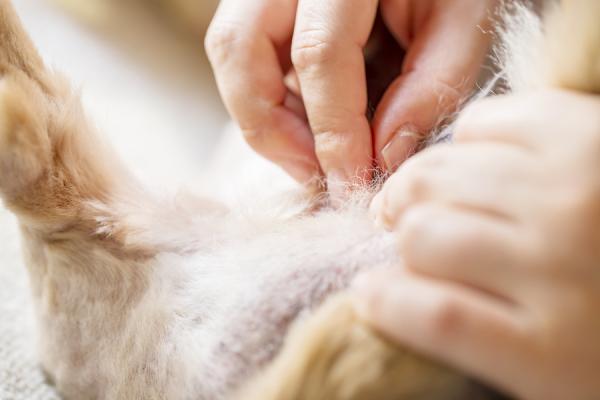
- Perianal glands (yes, they also give off an odor)
- Accumulated dirt in trays, scratching posts, or blankets
💡Fun fact:Some areas accumulate odor without you noticing, but your cat can detect it. That’s why it re-marks or avoids certain places.
Main causes of bad smells in homes with cats
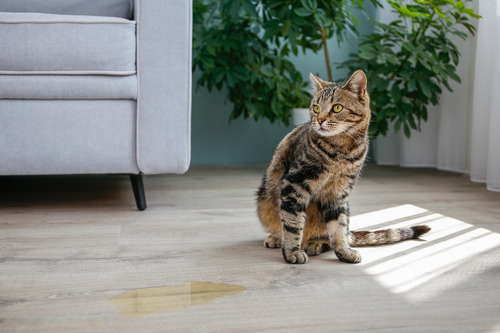
Urinates outside the sandbox
It could be due to stress, marking territory, or a health problem. If your cat urinates outside the litter box, that strong odor will soon become noticeable.
And even if you clean, if you don’t do it properly, it can still be there without you noticing … but it does.
Dirty or poorly located sandbox
One of the most common reasons a house smells like cats is a litter box that isn’t cleaned often enough or is poorly ventilated. Maintaining good hygiene is essential to prevent odor buildup.
Infrequent sand changes
Depending on the type of cat litter you use, it may retain odors to varying degrees. Furthermore, if it isn’t changed frequently, it can begin to smell, creating an unpleasant environment.
Textiles that accumulate odor
Blankets, cushions, rugs, and cat beds are veritable odor sponges. Even without urine, simple daily contact ends up impregnating certain fabrics with the smell of cats.
How to get rid of cat odor in your home? Step-by-step guide
We’ll now tell you how to get rid of cat odor in your home with an effective and realistic strategy. Let’s go through each point.
Thoroughly clean the marked areas
If your cat has urinated outside the litter box, simply cleaning it up isn’t enough. You need to use enzymatic cat hygiene products, which break down the organic compounds in urine.
- Use hot water and neutral soap for the first cleaning.
- Next, apply an enzyme cleanser. Leave it on for at least 20 minutes.
- Dry with a clean cloth. If possible, vacuum the area at the end.
- Apply synthetic feline pheromones to prevent it from marking again.
Never use ammonia: its smell is similar to urine and could worsen the problem.
Eliminates odors from furniture and textiles
Has your cat peed on the sofa? Does it always lie on the same cushion? Then it’s time to take action:
- Remove the cover if possible and wash with hot water and white vinegar.
- If it cannot be removed, use a fabric cleaner and let it sit.
- Apply baking soda at night and vacuum it up the next day.
- If the smell persists, you can use an odor neutralizer spray.
What should you use to mop the floor when you have cats in the house?
It’s important that the cleaning product you use is safe for your cat and doesn’t leave toxic residues. Some safe options are:
- White vinegar diluted with water
- Lemon or citric acid, which also neutralizes odors
- Mild essential oils (such as lavender, in very small quantities)
- Eco-friendly or pet-specific cleaners
👉 If you use conventional products, always rinse with clean water afterwards.
How to remove the smell from the cat litter box?
Here we go with one of the key parts. If you’re wondering how to get rid of the smell from your cat’s litter box, it’s important to keep in mind that:
- Clean the tray daily. It’s not enough to just remove the droppings; also remove any wet residue.
- Wash the sandbox once a week with soap and water.
- Add a thin layer of baking soda under the sand.
- Place the sandbox in a well-ventilated area.
You can also use scented cat litter or litter with activated carbon to absorb the odor.
How to prevent bad odor from the cat litter box?
Prevention is better than cure. These tips will help you prevent unpleasant odors from settling into your home:
- Change all the sand regularly (every 1-2 weeks).
- Use clumping or odor-controlling litter.
- Change the sandbox at least once a year if it is deteriorated.
- Avoid enclosed or unventilated areas.
- Use specific odor-eliminating sprays for litter trays.
- Use self-cleaning sandboxes.
Tips for keeping your house fresh if you have a cat
Once you’ve eliminated the odor, it’s time to maintain cleanliness and a pleasant atmosphere with these simple but effective habits:
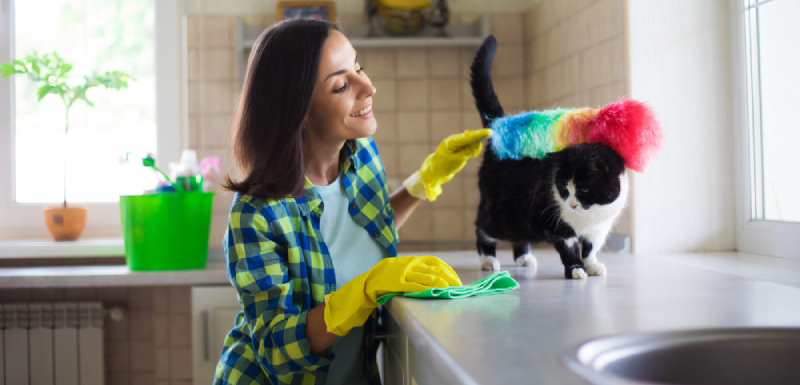
- Vacuum often, especially areas where your cat sleeps.
- Ventilate the house every day, at least 10 minutes per room.
- Wash the cat’s blankets and textiles weekly.
- Change the filters in your air conditioner or purifier.
- Use natural air fresheners or diffusers specifically designed for homes with pets.
💡Did you know…? Some cats mark with pheromones that are imperceptible to you.Good ventilation and regular cleaning also help eliminate these traces.
Common mistakes when trying to eliminate cat odor
Often, due to lack of knowledge or haste, we make mistakes that cause the problem to return or even worsen. These are the most frequent ones:
Use bleach or ammonia
Both products contain compounds similar to those found in urine. The result: your cat might be tempted to urinate there again.
Just disguise it with air freshener
Air fresheners temporarily mask the odor, but they don’t eliminate it. The problem remains.
Do not change the sandbox over time
The cat’s scratches on the litter box create grooves where odors accumulate and are no longer completely eliminated, no matter how much you clean. Changing the litter box once a year is a good practice.
Failure to identify the cause
If your cat has stopped using its litter box or is constantly marking, there may be an underlying health or behavioral issue. Simply cleaning isn’t enough; sometimes, your cat needs help, or even the assistance of a professional.
In summary: Owning a cat doesn’t mean resigning yourself to living in a smelly house. Quite the opposite: with a good cleaning routine, the right products, and a few home remedies, it’s perfectly possible to eliminate cat odor and enjoy a clean and pleasant home.
Remember that the litter box is key, but not the only thing to keep an eye on. General hygiene, bedding, ventilation, and above all, prevention, will make all the difference.