How to Keep a Chicken Coop Warm in Winter?
Keep your chickens warm and safe all winter without expensive heaters. This guide covers simple, effective ways to insulate your coop, prevent frostbite, and keep water from freezing—even in very cold weather. #ChickenCoop #WinterChickens #BackyardChickens #Homesteading #PoultryCare
The first winter I had chickens, I panicked. The temperature dropped to 10°F, and I was sure my birds would freeze. I ran out and bought a heat lamp, hung it in the coop, and felt like a hero.
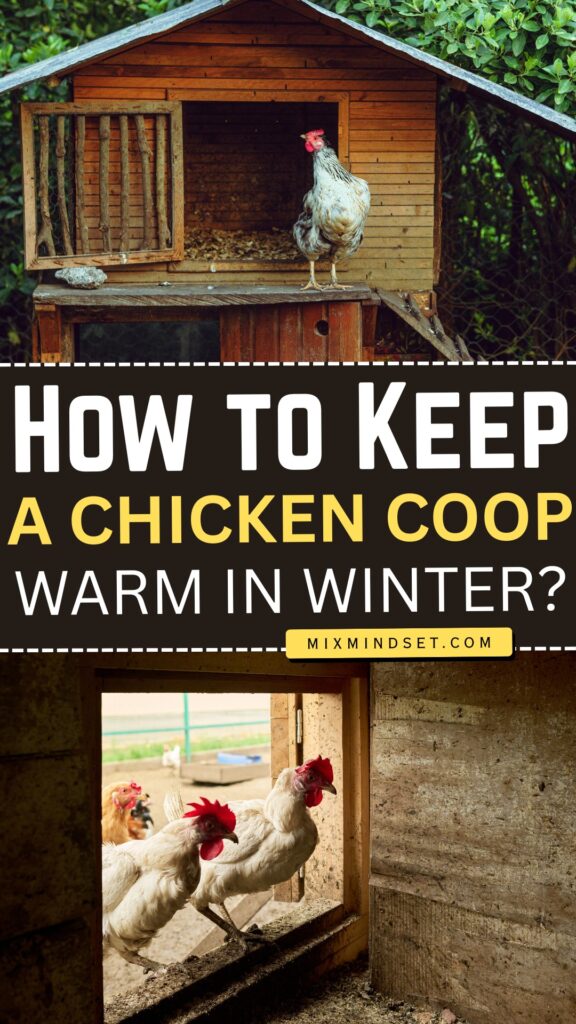
Then I learned that heat lamps are one of the leading causes of coop fires. I also learned that my chickens were perfectly fine without it. They were fluffed up on their roost, cozy as could be.
That was the year I stopped worrying and started learning the right way to keep a coop warm. Here is everything I have learned since then.
Do Chickens Even Need Heat in Winter?
Here is the short answer: Most adult chickens do not need a heater.
Chickens have a natural body temperature of about 106°F. They are covered in feathers that act like a puffy winter coat. When they fluff up, they trap warm air next to their skin. Healthy, fully-feathered chickens can handle temperatures well below freezing.
Many people think they need to heat their coop to keep their chickens alive. But adding heat can actually be dangerous. It creates a fire risk. It can also stop chickens from growing their natural winter feathers. And if the power goes out, the sudden drop in temperature can shock and kill them.
The only times you might need heat are:
- For very young chicks (under 6 weeks old)
- For sick or injured birds
- If you live somewhere with extreme cold below -20°F
- To keep water from freezing(more on that later)
For most backyard flocks, the goal is not to heat the coop. The goal is to keep them dry and out of the wind.
Method 1: Block Drafts (But Keep Ventilation)
This is the most important thing you can do. Chickens can handle cold air. What they cannot handle is cold air blowing directly on them.
What Is a Draft?
A draft is cold air moving across your chickens at their level. It hits their bodies and steals their warmth. Drafts cause frostbite on combs and wattles.
How to Block Drafts
Walk around your coop on a windy day. Feel for air coming through cracks. Here is what I use to seal them up:
I spray fabric materials with waterproofing spray to help them last longer. A tack hammer and zip ties are your best friends for this job.
Important: Do Not Seal the Coop Tight
Here is the tricky part. You need to block drafts, but you also need ventilation.
Chickens breathe out moisture. Their droppings release ammonia. If you seal the coop completely, that moisture and ammonia build up inside. Wet air causes frostbite and breathing problems.
The rule: Vents should be placed high up, near the roof. This lets warm, moist air escape without cold air blowing on your birds. If you see moisture on the windows or smell ammonia, you need more airflow.
Method 2: Use the Deep Litter Method (Free Heat!)
This is my favorite winter trick. It is an old-timer’s method that creates natural heat inside the coop.
What Is the Deep Litter Method?
Instead of cleaning out the coop every week, you let the bedding build up. You keep adding fresh layers on top. The old bedding and chicken droppings start to compost at the bottom. Composting generates heat. That heat rises up through the bedding and warms the coop.
How to Do It
🌾 My Personal Experience: The first winter I tried the deep litter method, I was skeptical. But when I stuck my hand down into the bedding on a freezing day, I could feel the warmth coming up from below. My chickens loved scratching through it, and the coop stayed noticeably warmer. I have used it every winter since.
Do not use sand in winter. Sand does not hold heat. It stays cold.
Method 3: Give Them a Good Place to Roost
Chickens spend their nights on roosting bars. How you set up those bars matters a lot in winter.
Wide Roosts Are Better
Chickens sit on their feet to keep them warm. If the roost is narrow (like a 2×4 on its side), their toes hang over and get cold. I use 2×4 boards with the wide side up (4 inches wide). This lets their feathers cover their toes completely.
Roost Placement
Put the roosts higher than the nesting boxes. Warm air rises. The highest spot in the coop is the warmest. Also make sure the roosts are out of any drafts.
Nesting Boxes
Add extra straw to nesting boxes. Chickens like to snuggle into it when they lay eggs.
Method 4: Keep Water from Freezing
This is the hardest winter chore. Chickens need access to water at least every 10 hours. If their water freezes, they cannot drink. If they cannot drink, they cannot eat enough to stay warm.
No-Electricity Methods
If you do not want to run electricity to your coop, try these:
Electric Methods
If you use a heated waterer, keep it outside the coop or somewhere the chickens cannot knock it over. Make sure cords are off the floor and out of reach. Even heated waterers have caused coop fires.
Method 5: Feed Them Extra for Winter
Chickens burn more calories in winter to stay warm. They need extra energy.
What to Feed
When to feed: Give extra grains in the late afternoon. Digestion produces heat. If they eat in the evening, that warmth helps them through the night.
Important Warning
Do not give too many scratch grains. They should get no more than they can finish in 15 to 20 minutes. Too many treats can unbalance their diet.
Method 6: Let Them Outside (On Most Days)
Chickens are tougher than you think. On sunny days, even if it is cold, let them out of the coop. They need fresh air and exercise. The sun helps warm them up.
But: If it is very windy or snowing hard, keep them inside. Wind chill is dangerous. Also, clear snow and ice from the run so their feet stay dry.
Method 7: Choose Cold-Hardy Breeds
If you live in a very cold climate, some chicken breeds handle winter better than others.
| Cold-Hardy Breeds | Why They Do Well in Cold |
|---|---|
| Buff Orpington | Fluffy feathers, small combs |
| Plymouth Rock | Hardy, good layers |
| Rhode Island Red | Tough, adaptable |
| Wyandotte | Small rose comb (less frostbite risk) |
| Brahma | Feathered legs and toes |
| Chantecler | Bred in Canada for extreme cold |
| Australorp | Good winter layers |
Breeds with small combs and wattles are less likely to get frostbite. Large combs (like Leghorns) are more vulnerable.
What About Heat Lamps and Heaters?
I will be honest with you. I do not use heat lamps in my coop anymore. Here is why:
- Fire risk. Coops are full of dry bedding, dust, and feathers.
- Dependency. If you heat the coop all winter and the power goes out, your chickens can die from the sudden cold.
- Temperature shock. If it is 70°F inside the coop and 0°F outside, chickens cannot regulate their body temperature.
If you absolutely must use heat:
| Safer Option | Why |
|---|---|
| Radiant panel heater | Low temperature, mounts on the wall, less fire risk |
| Ceramic heat emitter | No light, less fire risk than bulbs |
| Caged heat lamp | Keeps chickens from touching the bulb |
If you use a heat lamp, hang it securely so it cannot fall. Keep it away from bedding. Use a cage over the bulb.
But honestly, most chickens do not need any of this.
Quick Reference: Emergency Cold Weather Actions
If a sudden cold snap hits, here is what to do fast:
| Action | Why |
|---|---|
| Add extra bedding (6+ inches) | Insulates the floor |
| Block north and west walls with straw bales | Blocks prevailing winds |
| Hang a blanket over the door | Keeps heat in when you open it |
| Give extra scratch grains in the evening | Provides warmth through the night |
| Bring water inside overnight | Prevents freezing |
My Winter Coop Checklist
Here is what I actually do every winter. You can copy this.
Before winter starts (September–October):
- Deep clean the coop
- Check for holes and cracks. Patch them.
- Add insulation to walls (foam board or straw bales)
- Make sure roof vents are clear
- Stock up on straw and pine shavings
Every week during winter:
- Add fresh bedding (deep litter method)
- Check water multiple times a day
- Remove ice from the run
- Check for frostbite on combs and wattles
- Give extra feed in the afternoon
After a snowstorm:
- Clear snow from the run entrance
- Check roof for leaks
- Make sure vents are not blocked by snow
The Bottom Line
Keeping a chicken coop warm in winter is not about buying a heater. It is about keeping your birds dry, fed, and out of the wind.
Block drafts, but keep ventilation high. Use deep bedding to create natural heat. Give them a wide roost and extra food. Keep their water from freezing. And trust that your chickens are tougher than you think.
I spent my first winter worrying about my birds freezing. Now I spend my winters watching them happily scratch through deep straw, their feathers fluffed and warm. They know what to do. You just need to give them the right setup.
Your chickens will be fine. And so will you.