How to Get Rid of Rats in Your Chicken Coop?
Rats can kill baby chicks, spread disease, and steal feed. But poison is dangerous around chickens. This guide covers the most effective natural methods to get rid of rats in your chicken coop for good. #BackyardChickens #PestControl #ChickenCoop #RatControl #Homesteading
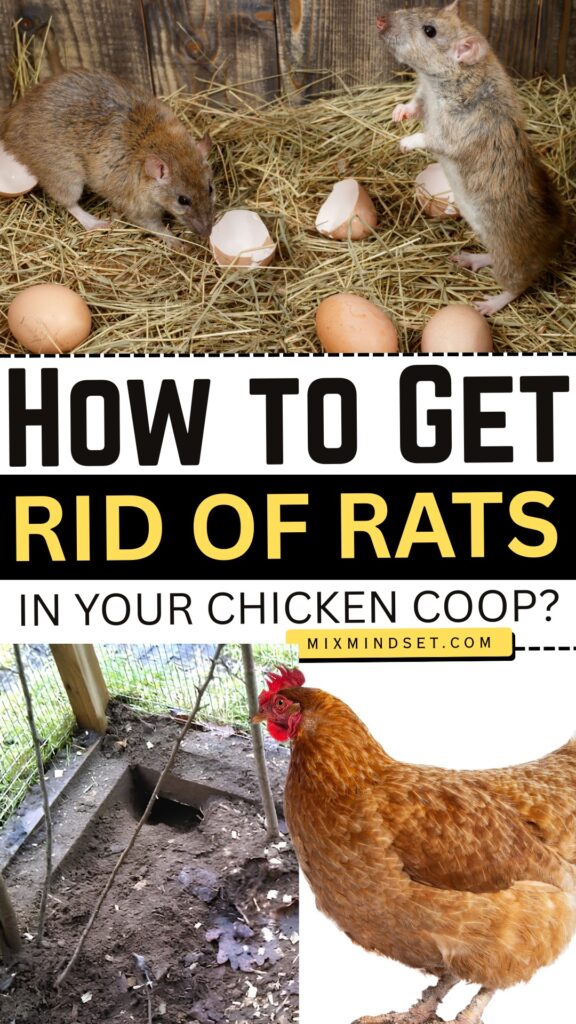
I remember the first time I found a rat in my chicken coop. I was terrified. I knew rats could hurt my birds and spread disease.
My first instinct was to buy rat poison. But then I realized my chickens could eat the poisoned rat and get sick too. I had to find another way.
After a lot of research and trial and error, I found several methods that actually work. They are safe for chickens and they get rid of rats for good. Here is what I learned.
Why Rats Are a Big Problem
Rats are not just annoying. They are dangerous to your flock.
Rats can squeeze through tiny gaps. They can dig under coops. They can also climb. A determined rat is hard to stop. But you can do it.
Signs You Have Rats
Look for these signs around your coop.
- Droppings – Small, dark pellets near feed or nesting boxes
- Grease marks – Dark smudge trails along walls and floors
- Chew marks – Gnawed wood, plastic feeders, or feed bags
- Holes – Burrows near the coop foundation
- Missing eggs – Eggs disappearing from nesting boxes
If you see any of these signs, you already have rats. It is time to act.
Step 1: Remove What Attracts Rats
Rats need three things: food, water, and shelter. Take away even one of these, and they will leave.
Secure All Feed
Rats love chicken feed. This is what brings them in.
You can also hang feeders from the ceiling at your birds’ back height so they can’t toss feed on the ground. Or use a treadle-style feeder that only opens when a chicken steps on it.
Remove Water Sources
Take Away Shelter
Rats need places to hide and nest.
- Move wood piles and debris away from the coop
- Keep grass and weeds trimmed around the coop
- Remove old bedding and clutter
Step 2: Block All Entry Points
Rats can squeeze through gaps as small as a quarter. You need to seal your coop tightly.
Inspect your coop regularly. Check for new holes or chew marks. Repair any damage immediately.
My personal experience: I found a small hole under my coop door. I stuffed it with steel wool and covered it with expanding foam. The rats never came through that spot again. It is a cheap fix that really works.
Step 3: Use Natural Repellents
Rats hate certain smells. You can use these to drive them away.
Important: Reapply natural repellents after rain. The scents fade over time.
Step 4: Trap Rats Safely
If you already have rats, you need to remove them. Avoid poison at all costs. Chickens can eat poisoned rats and get secondary poisoning.
Bucket Trap (Most Effective)
This is the safest trap for chickens.
What you need:
- A 5-gallon bucket
- 4 inches of water
- Floating birdseed
- A ramp up to the bucket
How it works:
Rats climb the ramp, jump for the seed, and fall into the water. Empty the bucket daily.
Snap Traps (For Targeted Removal)
Snap traps work well for individual rats.
Tips for success:
- Bait with peanut butter
- Place traps along rat runways (look for grease marks)
- Set traps where chickens cannot reach them
- Leave traps unset for a few days so rats get comfortable, then set them
What Not to Use
| Avoid | Why |
|---|---|
| Rat poison | Chickens may eat poisoned rats |
| Glue traps | Inhumane and can catch chickens |
| Electronic traps | Risk to chickens |
Step 5: Add Natural Predators
If you can, let nature help you.
- Barn cats are excellent rat hunters
- Guinea fowl eat rats and alert you to predators
- Dogs can also deter rats
Make sure any predator you introduce is safe around your chickens.
Quick Reference Table
| Step | Action | Why It Works |
|---|---|---|
| 1. Remove food | Store feed in metal bins, clean spills daily | Rats need food to survive |
| 2. Remove water | Bring waterers inside at night | Rats need water too |
| 3. Remove shelter | Clear debris, trim vegetation | Rats need places to hide |
| 4. Seal gaps | Use hardware cloth and steel wool | Rats cannot get in |
| 5. Use repellents | Peppermint, cayenne, dried herbs | Rats hate the smells |
| 6. Set traps | Bucket traps with water and seed | Safe, effective removal |
| 7. Add predators | Barn cats, guinea fowl | Natural rat control |
My Personal Rat Control Routine
Here is what I actually do to keep rats away from my coop. You can copy this.
Every day:
- I feed my chickens only what they can eat in a day.
- I clean up any spilled feed immediately.
- I bring feeders and waterers inside at night.
Every week:
- I sweep the coop and run.
- I check for new holes or chew marks.
- I reapply peppermint oil around entry points.
Every month:
- I inspect the hardware cloth and seal any new gaps.
- I set up a bucket trap if I see any signs of rats.
Since I started this routine, I have not had a rat problem in over a year. It takes a little effort, but it is worth it.
The Bottom Line
You can get rid of rats in your chicken coop without using poison. Remove their food and water. Seal up every gap and hole. Use natural repellents like peppermint and cayenne. Set safe bucket traps for the rats that are already there. Add barn cats or guinea fowl if you can.
Rats are dangerous to your chickens. They can kill chicks, spread disease, and steal feed. But with a little work, you can keep them out for good.
I learned these methods after years of fighting rats. Now my coop is rat-free, and my chickens are safe. Your flock can be safe too. Start with these steps today.