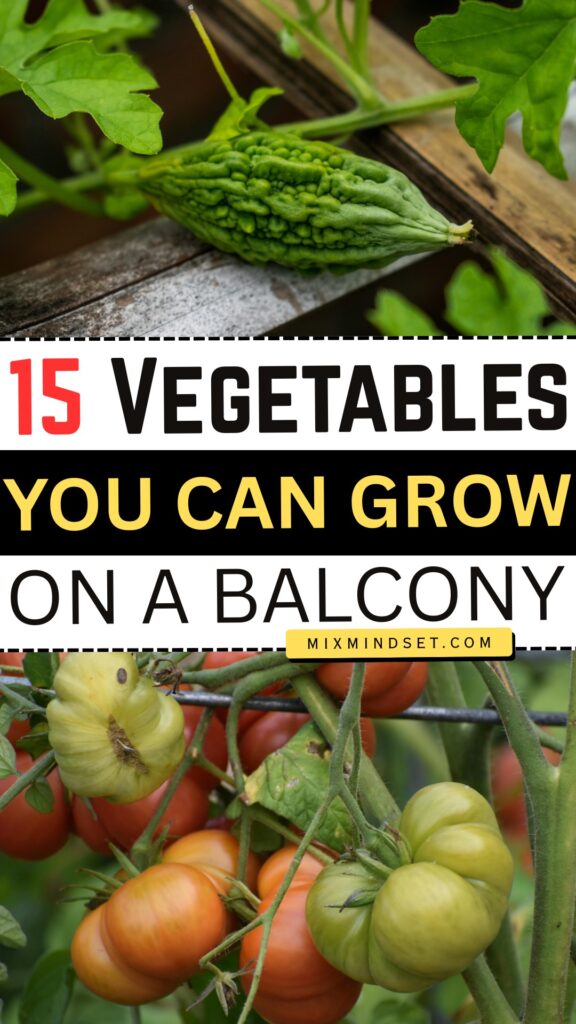
15 Vegetables You Can Grow on a Balcony or Patio
Transform your small balcony or patio into a productive vegetable garden with these 15 easy-to-grow crops. This guide covers the best container-friendly vegetables, from fast-growing leafy greens to juicy cherry tomatoes, plus simple tips for success in small spaces. #BalconyGarden #ContainerGardening #GrowYourOwnFood #SmallSpaceGardening #PatioVegetables
The first time I tried growing vegetables on my tiny apartment balcony, I was skeptical. I had about 10 square feet of space, and I thought there was no way I could grow enough food to make it worth the effort.
I started with a few pots of cherry tomatoes and lettuce. I was shocked at how much I harvested. Those few plants gave me fresh salads all summer long. Since then, I have expanded my balcony garden every year.
Now I want to share the best vegetables to grow in containers, so you can enjoy fresh, homegrown food no matter how small your space is.
Before You Start: What You Will Need
Growing vegetables on a balcony or patio is simple. You do not need fancy equipment.
| Item | Purpose |
|---|---|
| Containers with drainage holes | Prevents waterlogging and root rot |
| High-quality potting mix | Lighter than garden soil, provides nutrients |
| Watering can or hose with gentle spray | For consistent watering |
| Fertilizer (liquid or slow-release) | Feeds plants in containers |
| Sunny spot | Most vegetables need 6-8 hours of sun |
| Trellis or stakes (for some plants) | Supports climbing vegetables |
Key tip: Use the largest containers you can fit. Bigger pots hold more soil, which means less frequent watering and healthier roots.
15 Best Vegetables for Balconies and Patios
1. Cherry Tomatoes
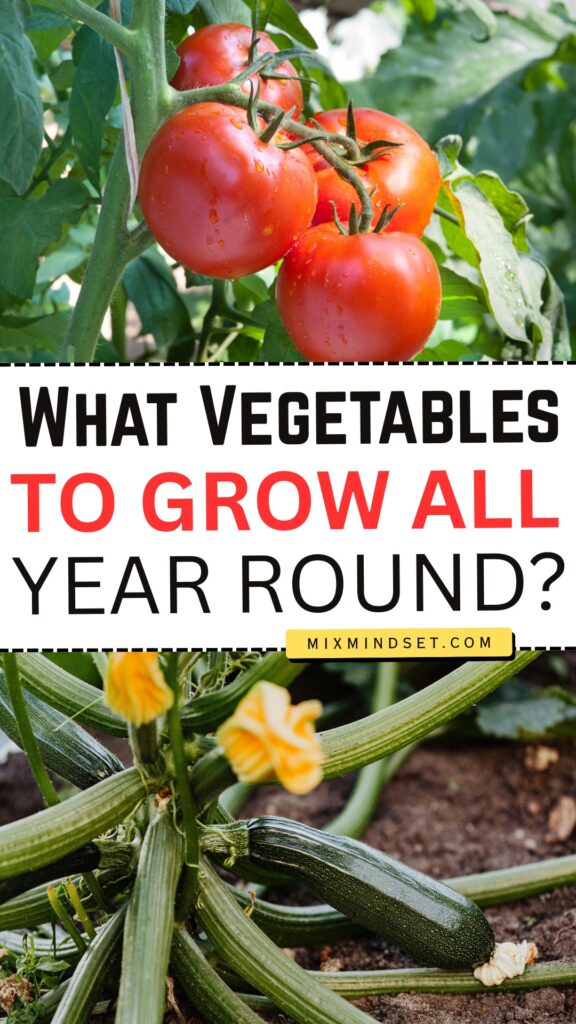
Cherry tomatoes are the ultimate container vegetable. They are compact, productive, and incredibly rewarding. I have grown them on my balcony for years, and they never disappoint.
Why they work: Determinate (bush) varieties stay compact and do not need staking, though a small tomato cage helps. Cherry tomatoes produce fruit all summer long. Look for dwarf or compact varieties like Tiny Tim, Patio Princess, or Sweet 100.
Container size: At least 5 gallons. A 5-gallon bucket with drainage holes works perfectly.
Care: Water regularly and consistently. Feed with a liquid fertilizer every 2-3 weeks. Give them 6-8 hours of sunlight daily.
My personal experience: My first cherry tomato plant gave me over 100 tomatoes from a single pot. I ate them right off the vine while sitting on my balcony. It was one of the most satisfying things I have ever grown.
2. Lettuce and Leafy Greens
Lettuce, spinach, arugula, and other leafy greens are ideal for small spaces. They have shallow roots, grow fast, and you can harvest them as “cut and come again” crops—meaning you snip the outer leaves and the plant keeps growing.
Why they work: Lettuce grows quickly, often ready in just 30-45 days. It does not need deep containers and thrives in cooler weather.
Container size: 6-8 inches deep. A window box or shallow trough works well.
Care: Keep soil consistently moist. Leafy greens can tolerate some shade, making them perfect for balconies with less sun.
3. Peppers (Sweet and Hot)
Peppers are beautiful, productive, and well-suited for containers. Both sweet bell peppers and hot chili peppers thrive in pots.
Why they work: Peppers have compact growth habits and produce fruit over a long period. They also add ornamental value to your balcony.
Container size: At least 5 gallons for sweet peppers. Smaller hot peppers can grow in 2-3 gallon pots.
Care: Peppers love warmth and need regular watering. Give them 6-8 hours of sun and fertilize when flowers appear.
4. Radishes
Radishes are one of the fastest-growing vegetables. They can go from seed to harvest in just 3-4 weeks.
Why they work: Radishes have shallow roots and are perfect for small containers. They are also great for succession planting—sow a few seeds every week for a continuous harvest.
Container size: 6-8 inches deep.
Care: Keep soil moist. They prefer cooler weather, making them ideal for spring and fall.
5. Green Onions (Scallions)
Green onions are one of the easiest vegetables to grow in containers. You can even regrow them from store-bought scraps.
Why they work: They take up very little space and grow quickly. You can harvest the green tops and they will keep growing back.
Container size: 6 inches deep. A small pot or even a recycled container works.
Care: Water regularly. They tolerate partial shade.
6. Carrots
Carrots are great for growing in deeper containers. They do need a little patience, but the payoff is sweet, homegrown carrots.
Why they work: Carrots grow straight down, so they are perfect for tall containers. Choose short-rooted varieties like Thumbelina or Paris Market for best results.
Container size: At least 12 inches deep. Use loose, sandy soil so carrots can grow straight.
Care: Water consistently. Do not let the soil dry out completely.
7. Bush Beans
Bush beans are compact and do not need a trellis. They produce a generous harvest in a small space.
Why they work: Bush beans grow as small, bushy plants that are perfect for containers. They produce beans over several weeks.
Container size: 5 gallons or larger.
Care: Give them full sun. Keep soil moist and harvest beans regularly to encourage more production.
8. Spinach
Spinach is one of the easiest leafy greens to grow on a balcony. It is fast-growing and nutritious.
Why they work: Spinach has shallow roots and grows well in containers. It thrives in cooler weather and can be harvested as cut-and-come-again.
Container size: 6-8 inches deep.
Care: Keep soil evenly moist. Partial shade is fine, especially in warmer climates.
9. Kale
Kale is a hardy, productive leafy green that thrives in containers. It is packed with nutrients and can be harvested over a long period.
Why they work: Kale is tough and forgiving. It grows well in containers and can tolerate cooler temperatures.
Container size: 10-12 inches deep.
Care: Water regularly. Kale prefers full sun but can tolerate partial shade.
10. Swiss Chard
Swiss chard is a beautiful and productive leafy green. Its colorful stems add ornamental value to your balcony.
Why they work: Chard is easy to grow and produces leaves for months. You can harvest outer leaves and the plant keeps growing.
Container size: 10-12 inches deep.
Care: Keep soil moist. Chard tolerates some shade.
11. Beets
Beets are easy to grow in containers. Both the roots and the young leaves are edible.
Why they work: Beets grow well in deeper containers and are relatively low-maintenance.
Container size: 10-12 inches deep.
Care: Water consistently. Thin seedlings so they have room to grow.
12. Cucumbers (Compact Varieties)
Cucumbers love warmth and need regular watering. Choose dwarf or bush varieties like Cucumber Spacesaver for containers.
Why they work: Compact cucumber varieties are bred for small spaces and produce fruit on bushy plants that do not need a trellis.
Container size: 5 gallons or larger.
Care: Provide support for growing vines if using vining types. Keep soil consistently moist.
13. Eggplant (Aubergine)
Eggplants are surprisingly well-suited for containers. They produce beautiful, glossy fruit.
Why they work: Compact varieties like Fairy Tale or Patio Baby are perfect for pots.
Container size: 5 gallons.
Care: Eggplants love warmth and need full sun. Water consistently and fertilize regularly.
14. Potatoes
Yes, you can grow potatoes in containers! They are actually one of the easiest vegetables to grow in pots.
Why they work: Potatoes grow in the soil, so you just need a large, deep container. As the plant grows, you add more soil (hilling), which encourages more potatoes.
Container size: 10-15 gallons. A large grow bag or plastic storage bin works great.
Care: Keep soil moist but not waterlogged. Harvest when the foliage dies back.
15. Zucchini (Compact Varieties)
Zucchini is a prolific vegetable that adapts well to container growing. Choose compact bush varieties for small spaces.
Why they work: Bush zucchini varieties stay smaller and produce a surprising amount of fruit from a single plant.
Container size: 5 gallons or larger.
Care: Give them full sun. Water deeply and regularly. Harvest zucchini when they are small and tender.
Quick Reference Table: 15 Vegetables at a Glance
| Vegetable | Container Size | Sunlight | Days to Harvest | Special Notes |
|---|---|---|---|---|
| Cherry Tomatoes | 5 gallons | Full sun | 60-75 days | Needs support; heavy feeder |
| Lettuce | 6-8 inches deep | Sun to part shade | 30-45 days | Cut-and-come-again |
| Peppers | 5 gallons | Full sun | 60-80 days | Loves warmth |
| Radishes | 6-8 inches deep | Full sun | 25-35 days | Fastest vegetable |
| Green Onions | 6 inches deep | Sun to part shade | 60-80 days | Can regrow from scraps |
| Carrots | 12 inches deep | Full sun | 60-75 days | Use short-rooted varieties |
| Bush Beans | 5 gallons | Full sun | 50-60 days | No trellis needed |
| Spinach | 6-8 inches deep | Sun to part shade | 30-40 days | Cut-and-come-again |
| Kale | 10-12 inches deep | Full sun to part shade | 40-60 days | Very hardy |
| Swiss Chard | 10-12 inches deep | Sun to part shade | 50-60 days | Colorful and productive |
| Beets | 10-12 inches deep | Full sun | 50-70 days | Roots and leaves edible |
| Cucumbers (compact) | 5 gallons | Full sun | 50-70 days | Bush varieties need less space |
| Eggplant | 5 gallons | Full sun | 65-80 days | Compact varieties available |
| Potatoes | 10-15 gallons | Full sun | 70-120 days | Use grow bags |
| Zucchini (compact) | 5 gallons | Full sun | 45-60 days | Very productive |
Top Tips for Balcony and Patio Gardening
Use the Right Soil
Do not use garden soil in containers. It is too heavy and can bring pests. Use a high-quality potting mix that is lightweight and drains well. Mix in compost for added nutrients.
Choose the Right Container
Drainage is essential. Make sure your pots have drainage holes to prevent waterlogging. Use saucers to catch excess water and protect your balcony floors.
Water Consistently
Containers dry out faster than garden beds. Check the soil daily during warm weather. Water when the top inch of soil feels dry. In hot weather, you may need to water twice a day.
Feed Your Plants
Container plants need regular feeding because nutrients wash out with watering. Use a balanced liquid fertilizer every 2-3 weeks during the growing season.
Maximize Your Space
- Use vertical gardening with trellises, pocket planters, and stackable containers
- Use railing planters to add growing space without taking up floor space
- Grow companion plants—herbs like basil and parsley grow well alongside vegetables
My Personal Balcony Garden Story
I started with a single pot of cherry tomatoes on a 4-foot-wide balcony. That first summer, I harvested over 150 tomatoes from one plant. I was hooked. The next year, I added lettuce, peppers, and herbs. Now I grow enough to make fresh salads and salsa all summer long.
The best part is how easy it is. I water my plants in the morning, enjoy my coffee while looking at them, and harvest fresh vegetables for dinner. It has become one of my favorite parts of the day.
The Bottom Line
You do not need a big backyard to grow vegetables. Cherry tomatoes, lettuce, peppers, radishes, and green onions are all perfect for balconies and patios. Choose compact varieties, use large containers with good drainage, and water consistently. With a little effort, you can enjoy fresh, homegrown vegetables all season long.
I started with one pot and now have a thriving container garden. You can do this too. Start with a few of these vegetables and see how rewarding it is to grow your own food.