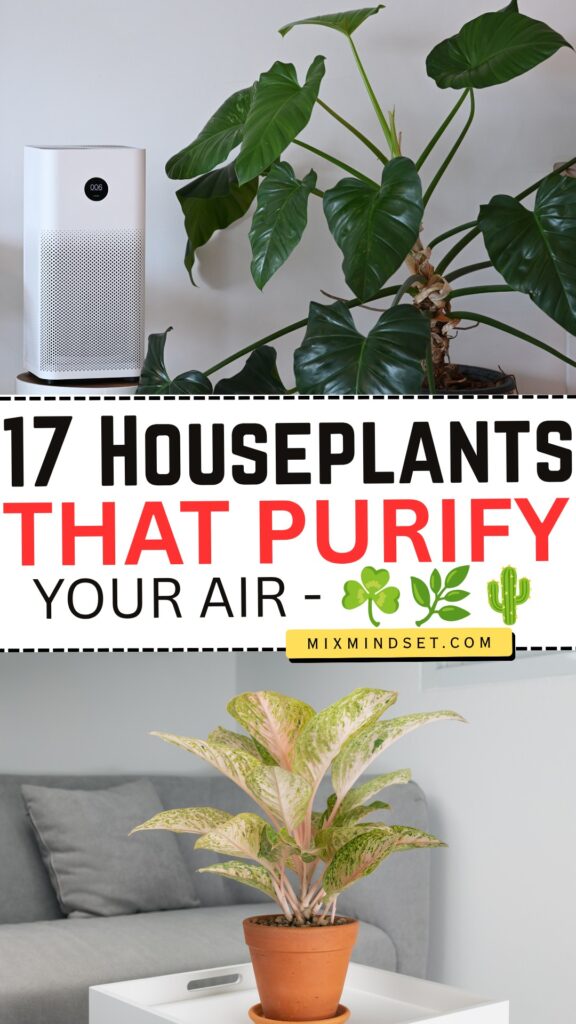
17 Houseplants That Purify Your Air
Breathe easier and add life to your home with these 17 gorgeous houseplants that naturally filter toxins from the air. From the nearly indestructible snake plant to the elegant peace lily, this list covers the best air-purifying plants for beginners and experts alike. #AirPurifyingPlants #HouseplantCare #IndoorGardening #CleanAir #PlantParent
A few years ago, I lived in a small apartment with no windows that opened. The air felt stuffy, and I was constantly getting headaches.
I bought an air purifier, but it was noisy and expensive to run. Then a friend gave me a spider plant and said, “This will help.” I was skeptical, but I placed it on my desk.
Over the next few months, I added a snake plant, a peace lily, and a few others. My headaches became less frequent, and the air in my apartment felt fresher. I’m not saying plants are a magic cure, but they made a real difference in how I felt.
Now I have plants in every room, and I love knowing they’re working to keep my air a little cleaner.
How Plants Purify the Air
The idea that houseplants can clean the air comes from a famous NASA study conducted in 1989. They were looking for natural ways to purify the air in space stations. Their research found that certain houseplants could remove up to 87% of indoor air pollutants within 24 hours.
Plants absorb toxins like formaldehyde, benzene, and trichloroethylene through tiny pores in their leaves. They also release oxygen and increase humidity. While a single plant won’t clean your whole house, having several plants in different rooms can make a noticeable difference in your indoor air quality.
17 Air-Purifying Houseplants
1. Snake Plant (Sansevieria trifasciata)
The snake plant is one of the toughest houseplants you can own. It has tall, sword-like leaves with striking yellow edges. It’s perfect for beginners because it tolerates low light and neglect.
Why it’s great: It removes formaldehyde, benzene, and xylene from the air. Unlike most plants, it continues to release oxygen at night, making it an excellent choice for bedrooms.
Care: Water only when the soil is completely dry. It can go weeks without water.
2. Peace Lily (Spathiphyllum)
The peace lily is a classic houseplant with dark green leaves and elegant white flowers. It’s one of the best air purifiers on the NASA list.
Why it’s great: It removes formaldehyde, benzene, trichloroethylene, and ammonia from the air. It also helps regulate humidity.
Care: Keep the soil lightly moist. It will droop dramatically when it needs water, so it’s easy to know when to water. Keep away from pets, as it’s toxic if ingested.
3. Spider Plant (Chlorophytum comosum)
The spider plant is one of the most beginner-friendly houseplants available. It has graceful, arching leaves with green and white stripes.
Why it’s great: It removes carbon monoxide, formaldehyde, and xylene from the air. It also produces “spiderettes” (baby plants) that you can propagate.
Care: Water when the top inch of soil feels dry. Tolerates a wide range of light conditions.
4. Pothos (Epipremnum aureum)
Pothos, also known as Devil’s Ivy, is practically unkillable. It has beautiful trailing vines with heart-shaped leaves.
Why it’s great: It removes benzene, xylene, trichloroethylene, and formaldehyde.
Care: Water when the soil is dry. Thrives in low to bright indirect light. It’s an excellent choice for hanging baskets or shelves.
5. Aloe Vera
Aloe vera is a succulent with thick, spiky leaves filled with a cooling gel. It’s famous for soothing burns and skin irritation.
Why it’s great: It removes formaldehyde and benzene from the air. It also releases oxygen at night.
Care: Water deeply but infrequently. Allow the soil to dry completely between waterings. Needs bright, indirect light.
6. English Ivy (Hedera helix)
English ivy is a classic climbing plant that looks beautiful in hanging baskets or on shelves.
Why it’s great: It reduces airborne mold particles and removes benzene and formaldehyde. According to NASA, it was one of the top air-filtering plants.
Care: Prefers bright, indirect light. Keep soil moderately moist. Handle with care, as it can cause skin irritation.
7. Boston Fern (Nephrolepis exaltata)
The Boston fern is a lush, feathery plant that adds a tropical feel to any room.
Why it’s great: It’s excellent at removing formaldehyde and xylene from the air.
Care: Prefers high humidity and bright, indirect light. Mist regularly to keep it happy. Keep soil moist but not soggy.
8. Dracaena (Dracaena varieties)
Dracaenas are a diverse group of plants with striking leaves in various colors and patterns.
Why it’s great: They remove formaldehyde, benzene, and trichloroethylene from the air.
Care: Allow soil to dry between waterings. Prefers bright, indirect light but tolerates low light. Keep away from pets.
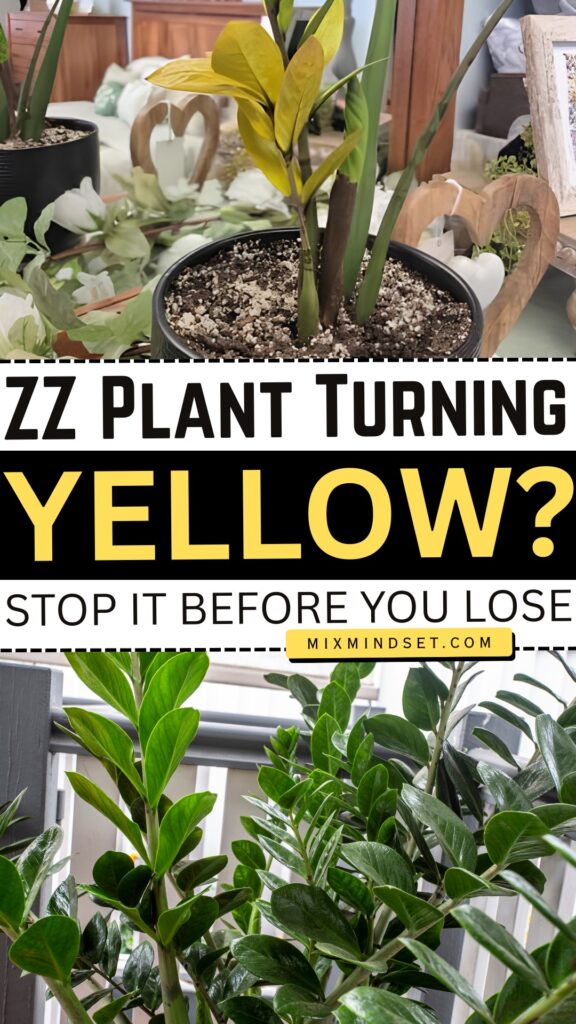
9. ZZ Plant (Zamioculcas zamiifolia)
The ZZ plant has glossy, dark green leaves that look almost fake. It’s one of the most forgiving plants you can own.
Why it’s great: It removes xylene, toluene, and other toxins from the air.
Care: Water only every 3-4 weeks when the soil is completely dry. Tolerates very low light.
10. Rubber Plant (Ficus elastica)
The rubber plant has large, glossy leaves that add a bold statement to any room.
Why it’s great: It removes formaldehyde from the air.
Care: Water when the top inch of soil feels dry. Prefers bright, indirect light.
11. Bamboo Palm (Chamaedorea seifrizii)
The bamboo palm is a small, bushy palm that adds a tropical vibe to your home.
Why it’s great: It removes formaldehyde, benzene, and carbon monoxide.
Care: Keep soil consistently moist. Prefers bright, indirect light but tolerates low light.
12. Chinese Evergreen (Aglaonema)
The Chinese evergreen has beautiful variegated leaves and is one of the easiest houseplants to grow.
Why it’s great: It removes formaldehyde and benzene from the air.
Care: Water when the top inch of soil feels dry. Tolerates low light.
13. Weeping Fig (Ficus benjamina)
The weeping fig is a classic houseplant with drooping branches and small, glossy leaves.
Why it’s great: It removes formaldehyde, xylene, and toluene from the air.
Care: Prefers bright, indirect light. Keep soil consistently moist but not soggy. It can be finicky when moved.
14. Chrysanthemum (Chrysanthemum morifolium)
The florist’s chrysanthemum is a flowering plant that comes in many colors.
Why it’s great: It removes benzene, formaldehyde, and ammonia from the air.
Care: Prefers bright, indirect light. Keep soil moist but not soggy. Flowers will bloom for several weeks.
15. Gerbera Daisy (Gerbera jamesonii)
The gerbera daisy is a cheerful, colorful flowering plant.
Why it’s great: It removes benzene and trichloroethylene from the air.
Care: Prefers bright, direct light. Keep soil consistently moist. Perfect for a sunny windowsill.
16. Corn Plant (Dracaena fragrans)
The corn plant has long, cane-like stems with clusters of green and yellow leaves.
Why it’s great: It removes formaldehyde, benzene, and carbon monoxide from the air.
Care: Allow soil to dry between waterings. Prefers bright, indirect light but tolerates low light.
17. Parlor Palm (Chamaedorea elegans)
The parlor palm is a small, elegant palm that has been a popular houseplant for generations.
Why it’s great: It removes formaldehyde, benzene, and xylene from the air.
Care: Keep soil evenly moist. Prefers bright, indirect light but tolerates low light.
Quick Reference Table: 17 Plants at a Glance
Tips for Getting the Most Out of Your Air-Purifying Plants
Choose the Right Plant for Your Space
- Low light: Snake plant, ZZ plant, pothos, and peace lily all tolerate low light.
- Bright light: Gerbera daisy, chrysanthemum, and aloe vera need bright light to thrive.
- Pet owners: Spider plants, Boston ferns, and parlor palms are safe for pets.
Dust the Leaves
Dust blocks the pores on leaves and reduces their ability to absorb toxins. Wipe the leaves gently with a damp cloth once a month.
Give Them Good Soil
Use a well-draining potting mix. Do not use garden soil in pots—it’s too heavy and can cause root rot.
Use a Humidifier
Many air-purifying plants, like ferns and palms, love humidity. A humidifier helps them thrive and also makes your air healthier.
Don’t Overwater
Overwatering is the number one killer of houseplants. Always check the soil before watering. When in doubt, wait another day.
My Personal Air-Purifying Plant Routine
Here is what I actually do to keep my air-purifying plants happy.
Every week:
- I check the soil moisture on all my plants. I water only the ones that need it.
- I rotate my plants so all sides get even light.
- I wipe the leaves of my larger plants with a damp cloth.
Every month:
- I give my plants a gentle liquid fertilizer during the growing season (spring and summer).
- I check for pests like spider mites or mealybugs.
Every season:
- I repot any plants that have outgrown their containers.
- I move plants around to follow the light as the seasons change.
Since I started this routine, my plants have been healthy and thriving. They add life to my home, and I love knowing they’re helping to keep my air clean.
The Bottom Line
Air-purifying plants are a beautiful and natural way to improve your indoor environment. Snake plants, peace lilies, spider plants, pothos, and aloe vera are some of the best options for beginners. They’re easy to care for, tolerate a range of conditions, and they work hard to remove toxins from the air.
I started with one spider plant in a stuffy apartment. Now I have plants in every room, and my home feels fresher and more alive. You can do this too. Pick a few plants from this list, give them a sunny spot and the right care, and enjoy the benefits of cleaner, healthier air.