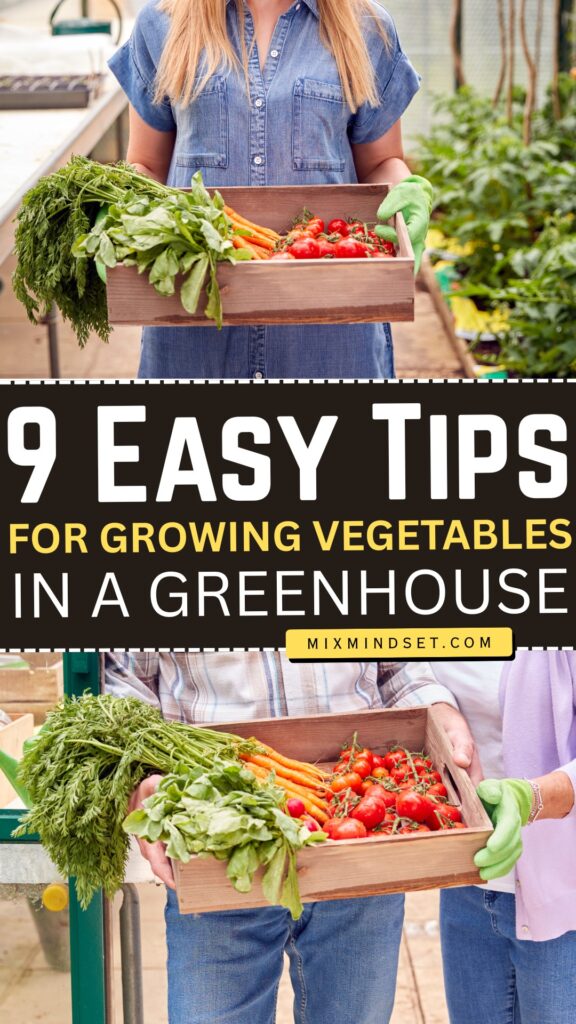
9 Easy Tips for Growing Vegetables in a Greenhouse
Growing vegetables in a greenhouse is easier than you think. This guide covers nine simple tips to help you get started, from choosing the right plants to watering and pest control. #GreenhouseGardening #GrowYourOwnFood #VegetableGardening #DIYGarden #HomeGrown
When I first got my greenhouse, I was so excited. I filled it with every vegetable seed I could find. Within weeks, my tomato plants were leggy, my lettuce bolted, and I had no idea what went wrong. I learned that a greenhouse is not magic. It is a tool, and you need to know how to use it.
Over the years, I have made plenty of mistakes. But I have also learned nine simple tips that make growing vegetables in a greenhouse easy and rewarding. Here they are.
Tip 1: Choose the Right Vegetables for Your Greenhouse
Not every vegetable grows well in a greenhouse. Some love the warmth. Others prefer cooler conditions. Picking the right ones makes all the difference.
Best vegetables for beginners in a greenhouse:
| Vegetable | Why It Works | Best Season |
|---|---|---|
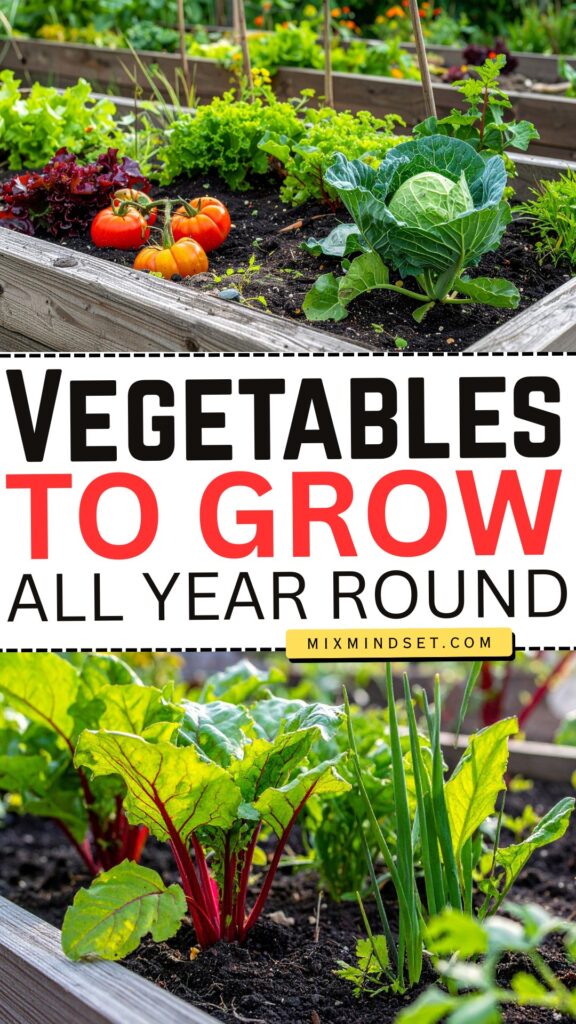
| Lettuce and leafy greens | Fast-growing, multiple harvests, cool-loving | Spring, autumn, winter |
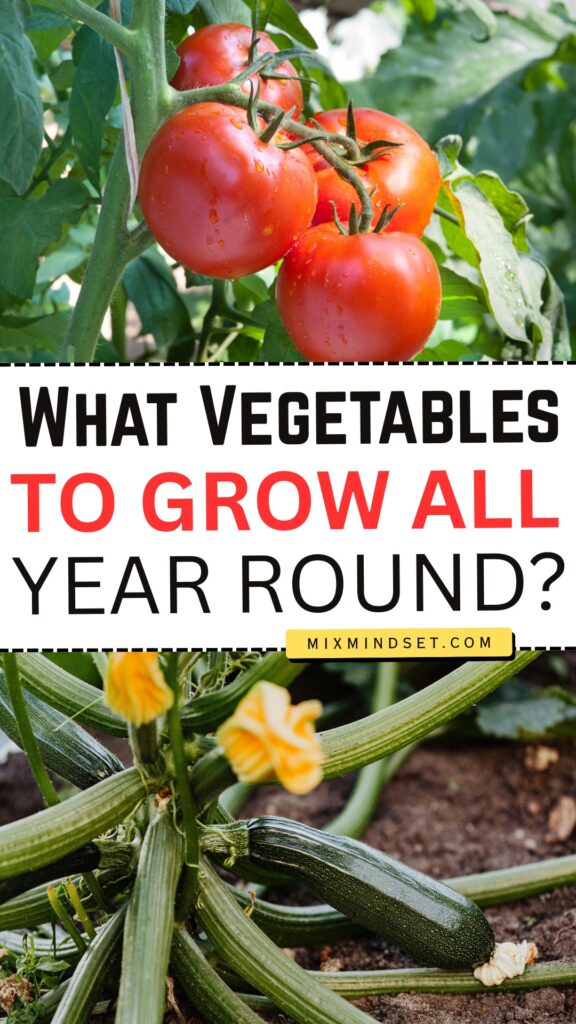
| Tomatoes | Heat-loving, high yield, classic greenhouse crop | Summer |
| Cucumbers | Warmth-loving, climb vertically to save space | Summer |
| Peppers and chillies | Love heat, compact plants | Summer |
| Radishes | Fast-growing, ready in weeks | Spring, autumn |
| Spinach | Thrives in cooler temperatures, quick to grow | Spring, autumn |
Leafy greens like lettuce, spinach, and kale are perfect for beginners because they grow fast and do not need much maintenance. Tomatoes, cucumbers, and peppers are also great choices, but they need more warmth and care.
My advice: Start with leafy greens in your first season. They are forgiving and give you quick results. Once you get the hang of it, try tomatoes and peppers.
Tip 2: Prepare Your Soil or Growing Containers
Greenhouse vegetables need rich, well-draining soil. Whether you are planting in ground beds or containers, good soil is the foundation of healthy plants.
For ground beds:
- Dig out the soil every three to five years and replace it with fresh topsoil or good garden loam.
- Add compost or well-rotted manure each season to keep the soil fertile.
- Aim for a soil pH between 6.0 and 6.8 for most vegetables.
For containers:
- Use a high-quality potting mix designed for vegetables.
- Mix in compost or slow-release organic fertilizer.
- Make sure containers have drainage holes.
My advice: I use a mix of potting soil and compost in large fabric pots. They drain well and are easy to move around if I need to rearrange the greenhouse.
Tip 3: Water Wisely—Not Too Much, Not Too Little
Watering is where many new greenhouse gardeners go wrong. Plants in a greenhouse dry out faster than outdoor plants, but overwatering is just as dangerous.
How to water correctly:
- Water in the morning. Cooler water contains more oxygen, and you avoid creating excess humidity overnight.
- Check plants daily for water needs. Smaller pots may need daily watering.
- Water the soil, not the leaves. Wet leaves can lead to fungal diseases.
- Use a drip irrigation system or self-watering mats to save time and water.
Signs you are overwatering:
- Yellowing leaves
- Wilting even when soil is wet
- Mold on the soil surface
Signs you are underwatering:
- Leaves are drooping and wilting
- Soil is dry and pulling away from the pot edges
- Plants look thin and weak
My advice: Stick your finger about an inch into the soil. If it feels dry, it is time to water. If it feels moist, wait a day.
Tip 4: Control the Temperature
Greenhouses can get too hot in summer and too cold in winter. Temperature control is one of the most important things you will do.
Ideal temperatures for common greenhouse vegetables:
| Vegetable | Ideal Daytime Temperature |
|---|---|
| Tomatoes | 65–75°F (18–24°C) |
| Peppers | 70–80°F (21–27°C) |
| Lettuce and greens | 50–65°F (10–18°C) |
| Cucumbers | 70–80°F (21–27°C) |
How to keep temperatures in check:
- In summer, ventilate early in the morning before it gets too hot.
- Use shade cloth on the roof to reduce heat from direct sunlight.
- On very hot days, dampen the floor to increase humidity and cool the air.
- In winter, use a small greenhouse heater to keep temperatures above freezing.
My advice: I keep a simple thermometer in my greenhouse. It costs a few dollars and takes the guesswork out of temperature management.
Tip 5: Ventilate for Fresh Air and Humidity Control
Good ventilation is essential. It prevents overheating, reduces humidity, and stops fungal diseases.
How to ventilate your greenhouse:
- Open roof vents and side vents on warm days.
- Roll up sides or open doors to allow cross-breezes.
- Use a small fan to keep air moving, especially in still weather.
- In hot weather, open vents early while the air is still cool.
Why ventilation matters:
- Stops plants from overheating
- Reduces humidity, which prevents mold and mildew
- Brings in fresh carbon dioxide that plants need to grow
My advice: I open my greenhouse vents every morning during summer, even if it is cloudy. It only takes a minute and keeps my plants healthy.
Tip 6: Feed Your Plants Regularly
Greenhouse vegetables grow fast and use up nutrients quickly. Regular feeding keeps them productive.
What to use:
- Slow-release organic fertilizers mixed into the soil at planting time.
- Liquid feed like compost tea or fish hydrolysate every 2–3 weeks during the growing season.
- Balanced granular fertilizer applied according to package instructions.
Feeding schedule:
| Stage | What to Do |
|---|---|
| At planting | Mix slow-release fertilizer or compost into the soil |
| Every 2–3 weeks (growing season) | Apply liquid feed |
| After heavy feeding plants (like tomatoes) | Feed weekly during fruiting |
My advice: I use a simple liquid seaweed feed every two weeks. It is gentle, organic, and my plants love it.
Tip 7: Control Pests Naturally
Greenhouses can attract pests like aphids, whiteflies, and spider mites. Chemical sprays are not your only option. Natural pest control works well.
Natural pest control methods:
- Encourage beneficial insects. Ladybugs and predatory mites eat pests.
- Use onion or garlic sprays. The smell repels aphids and other pests.
- Keep the greenhouse clean. Remove dead leaves and weeds where pests hide.
- Check plants regularly. Catch problems early before they spread.
- Introduce biological controls. Predatory mites can be sprinkled on leaves to hunt pest mites.
My advice: I check my plants every morning while I water. Catching a few aphids early is much easier than dealing with an infestation.
Tip 8: Help with Pollination
In a greenhouse, there are no wind or bees to pollinate your plants. You need to help them along, especially for tomatoes, peppers, and cucumbers.
How to pollinate in a greenhouse:
- Gently shake tomato and pepper plants when they are flowering. This releases pollen.
- Use a small paintbrush to transfer pollen from flower to flower.
- Tap the flowers gently with your finger.
- On warm days, open the vents to allow insects to enter.
My advice: I give my tomato plants a gentle shake every morning when they are in flower. It takes seconds and makes a big difference to the fruit set.
Tip 9: Harvest at the Right Time
Knowing when to harvest is just as important as knowing how to grow. Picking at the right time gives you the best flavor and encourages more production.
Harvesting guide:
| Vegetable | When to Harvest |
|---|---|
| Lettuce and leafy greens | Pick outer leaves as needed, or harvest whole heads when full |
| Tomatoes | When fully colored and slightly soft to the touch |
| Cucumbers | When firm and bright green, before they turn yellow |
| Peppers | When full-sized and have reached their final color |
| Radishes | When roots are about 1 inch across |
My advice: I harvest leafy greens in the morning when they are crisp and full of water. They taste better and last longer in the fridge.
Quick Reference Table: 9 Tips at a Glance
| Tip | Key Action | Why It Matters |
|---|---|---|
| 1. Choose the right vegetables | Start with leafy greens, then try tomatoes | Matches plants to greenhouse conditions |
| 2. Prepare soil or containers | Use rich, well-draining soil with compost | Gives plants the nutrients they need |
| 3. Water wisely | Water in the morning, check soil daily | Prevents overwatering and underwatering |
| 4. Control temperature | Ventilate in summer, heat in winter | Keeps plants in their ideal range |
| 5. Ventilate | Open vents and use fans | Prevents overheating and disease |
| 6. Feed plants | Use liquid feed every 2–3 weeks | Replaces nutrients used by fast growth |
| 7. Control pests naturally | Use beneficial insects and organic sprays | Avoids chemicals, keeps plants healthy |
| 8. Help with pollination | Shake plants or use a paintbrush | Ensures fruit sets properly |
| 9. Harvest at the right time | Pick when vegetables are ripe | Gives best flavor and encourages more growth |
My Weekly Greenhouse Routine
Here is what I actually do in my greenhouse every week. You can copy this.
Every morning (5 minutes):
- Open vents if the weather is warm.
- Check soil moisture. Water if needed.
- Look for pests on the undersides of leaves.
Every weekend (30 minutes):
- Feed plants with liquid fertilizer (during growing season).
- Remove any yellow or dead leaves.
- Harvest anything that is ready.
- Check the thermometer and adjust ventilation.
Every season (1 hour):
- Clean the greenhouse glass or plastic to let in maximum light.
- Add fresh compost to soil or containers.
- Plan what to plant next.
The Bottom Line
Growing vegetables in a greenhouse does not have to be complicated. Start with easy crops like lettuce and tomatoes. Water wisely, keep the temperature in check, and feed your plants regularly. Help with pollination and harvest at the right time.
I made so many mistakes when I started. My tomatoes were leggy, my lettuce bolted, and I overwatered everything. But I kept learning. Now my greenhouse gives me fresh vegetables for most of the year.
You can do this too. Start small, follow these nine tips, and enjoy the satisfaction of growing your own food. Your greenhouse is waiting.