How to Make Rasam at Home?
There are few dishes that capture the essence of South Indian comfort food quite like rasam. This tangy, peppery, and aromatic soup-like dish is more than just a meal—it’s an experience.
Whether you’re battling a cold, looking for a light dinner, or simply craving something that wakes up your taste buds, a bowl of hot rasam paired with steamed rice or sipped on its own is pure therapy.
If you’ve ever wondered how to replicate that authentic, restaurant-style flavor in your own kitchen, you’re in the right place.
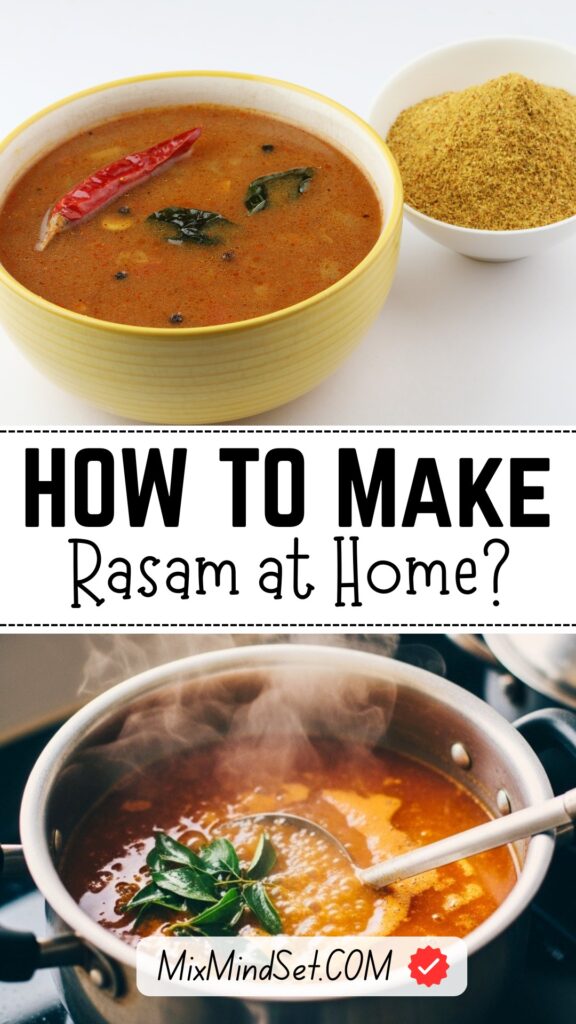
This guide will walk you through everything from selecting the right ingredients to mastering the perfect balance of spices. Let’s dive in.
Table of Contents
What is Rasam? Understanding the Heart of South Indian Cuisine
At its core, rasam is a spiced tamarind broth infused with tomatoes, lentils (or sometimes just lentil water), and a unique blend of spices. The name comes from the Sanskrit word rasa, meaning juice or essence, which perfectly describes its character.
Unlike sambar, which is thicker and vegetable-heavy, rasam is thin, light, and intensely flavorful. It serves multiple purposes: as a soothing soup, a tangy base for rice, or even a digestive aid after a heavy meal. The magic lies in the balance of sour (tamarind), spicy (black pepper and cumin), aromatic (curry leaves and coriander), and earthy (lentils and ghee) notes.
Key Ingredients for Rasam
To make a memorable rasam, you don’t need a pantry full of exotic items, but you do need a few essentials. Fresh ingredients make a noticeable difference.
Ingredient Table
| Ingredient | Quantity | Purpose |
|---|---|---|
| Tamarind | Lemon-sized ball or 1 tbsp paste | Provides the signature sour base |
| Tomatoes | 2 medium, ripe | Adds natural tang and body |
| Toor dal (pigeon pea lentils) | ¼ cup | For mild lentil base (optional but traditional) |
| Rasam powder | 1.5 – 2 tbsp | Core spice blend (store-bought or homemade) |
| Black peppercorns | 1 tsp | Fresh heat and depth |
| Cumin seeds (jeera) | 1 tsp | Earthy, warm flavor |
| Curry leaves | 1 sprig | Aromatic backbone |
| Fresh coriander | Handful, chopped | Freshness and garnish |
| Ghee | 1 tbsp | For tempering (adds richness) |
| Mustard seeds | ½ tsp | For tempering |
| Asafoetida (hing) | A pinch | Digestive and depth |
| Salt | To taste | Balances all flavors |
Pro Tip: If you don’t have rasam powder, you can make a quick version by dry-roasting 1 tbsp coriander seeds, 1 tsp cumin, ½ tsp black pepper, and 4-5 dried red chilies, then grinding to a fine powder.
Step-by-Step Guide: How to Make Rasam at Home
1. Prepare the Base (The Lentil Broth)
Traditional rasam often starts with a light toor dal base.
- Rinse ¼ cup of toor dal and pressure cook it with 1 cup of water, a pinch of turmeric, and a few drops of oil (to prevent frothing). Cook for 2-3 whistles until soft and mushy.
- Mash it well and set aside. For a quicker version, you can skip the dal and make a rasam without dal—just use tamarind water and tomatoes as the base.
2. Extract Tamarind Juice
Soak a lemon-sized tamarind in ½ cup of warm water for 10 minutes. Squeeze well, extract the pulp, and discard solids. You should have about ¾ cup of thick tamarind water.
3. Cook the Rasam Base
In a large saucepan, combine:
- The tamarind water
- 2 chopped ripe tomatoes
- 1.5 to 2 tablespoons rasam powder
- Salt to taste
- ¼ teaspoon turmeric powder
- 1 cup of water
Bring this to a boil over medium heat. Let it simmer until the tomatoes turn soft and the raw smell of the tamarind dissipates—about 8 to 10 minutes.
4. Add the Lentil Base
Once the tamarind mixture is cooked down, add the mashed toor dal and another 1 to 1.5 cups of water. Stir well and let it come to a gentle boil. You’re looking for a soup-like consistency—not too thick, not watery.
5. The Tempering (Tadka)
This step is where the aroma truly comes alive. In a small pan, heat 1 tablespoon of ghee. Add:
- ½ teaspoon mustard seeds – let them splutter
- 1 teaspoon cumin seeds – let them sizzle
- 1 sprig of curry leaves – they will crackle
- A pinch of asafoetida (hing) – adds depth
- Crushed black pepper and cumin (optional: crush 1 tsp each for extra punch)
Pour this sizzling tempering directly into the simmering rasam. Stir once, turn off the heat immediately. Overcooking after adding the tempering can dull the fresh spice notes.
6. Garnish and Rest
Add a generous handful of fresh coriander leaves. Let the rasam sit covered for 5–10 minutes before serving. This resting period allows the flavors to meld beautifully.
Video Guide 📺
Common Mistakes to Avoid (And How to Fix Them)
Even simple recipes have pitfalls. Here’s how to ensure your rasam turns out perfect every time.
- Overcooking after tempering: Rasam should never be boiled vigorously after adding the cumin and pepper tempering. The volatile oils in the spices dissipate with prolonged heat, leaving it flat. Once the tempering goes in, take it off the stove.
- Using too much tamarind: Rasam should be pleasantly tangy, not sour enough to make you pucker. Start with less—you can always add a squeeze of lemon at the end to brighten it up.
- Skipping the dal water: Even if you don’t add mashed dal, adding a few tablespoons of cooked dal water (the starchy liquid from boiling lentils) gives the rasam a subtle body and silky mouthfeel.
- Not crushing spices: Whole cumin and pepper are good, but lightly crushing them releases their essential oils, giving you a much more aromatic rasam. Use a mortar and pestle or the back of a knife.
- Rushing the simmer: The tamarind and tomato mixture needs time to simmer and lose its raw edge. Don’t rush this step—it’s the foundation of flavor.
Nutritional Information
Rasam is celebrated not just for its taste but for its health benefits. It’s low in calories, rich in antioxidants, and aids digestion. Here’s an approximate breakdown per serving (1 bowl, about 200ml):
| Nutrient | Amount |
|---|---|
| Calories | 70–90 kcal |
| Protein | 3–4 g |
| Carbohydrates | 10–12 g |
| Dietary Fiber | 2–3 g |
| Fat | 2–3 g (from ghee) |
| Vitamin C | 15% RDA |
| Iron | 8% RDA |
Practical Tips for the Perfect Rasam Every Time
- Use fresh curry leaves and coriander. Dried herbs won’t give you the same vibrant aroma.
- Invest in good quality rasam powder if you’re not making your own. Look for small-batch brands that use whole spices.
- Adjust spice levels to your preference. Want it milder? Reduce the black pepper. Want it fiery? Add a crushed green chili along with the tomatoes.
- Leftovers taste even better. Rasam deepens in flavor overnight. Store in the fridge for up to 2 days and reheat gently.
- Serve it right. Rasam is traditionally served with steamed white rice, a dollop of ghee, and a crispy side like papad (appalam). It’s also wonderful as a warm soup in a mug.
Frequently Asked Questions
Can I make rasam without tamarind?
Yes. You can substitute tamarind with ripe tomatoes (increase the quantity) and a squeeze of lemon juice at the end. Some regional variations use raw mango or even kokum (garcinia indica) for sourness.
What’s the difference between rasam and sambar?
While both use tamarind and spices, sambar is a thick lentil-based vegetable stew, while rasam is a thin, spiced broth that may or may not include a small amount of dal. Rasam is typically served as a separate course or soup, whereas sambar is a main dish paired with rice or idli.
Is rasam gluten-free?
Yes, when made with traditional ingredients. Just ensure your asafoetida (hing) is labeled gluten-free, as some commercial varieties contain wheat flour.
Can I freeze rasam?
Yes, but with a caveat. Freeze it before adding the tempering and coriander. Thaw, reheat gently, and then add the fresh tempering and garnish for the best flavor.
Why does my rasam taste bitter?
Bitterness usually comes from burnt spices during tempering or overcooked asafoetida. Keep the heat medium-low when preparing the tadka, and add hing just before pouring it into the rasam.
Conclusion
Making rasam at home is one of those simple culinary skills that rewards you with layers of flavor and comfort. It’s forgiving enough for beginners yet nuanced enough to keep experienced cooks experimenting.
Whether you enjoy it as a light soup on a rainy day or ladled over hot rice with a side of crispy vegetables, this dish carries with it the warmth of tradition and the brightness of fresh spices.
The next time you’re in the mood for something tangy, peppery, and deeply satisfying, skip the takeout and try this recipe. With a handful of pantry staples and a little attention to detail, you’ll have a bowl of rasam that tastes like it came straight from a home kitchen in Tamil Nadu.