Breakfast Burrito Recipe
There are quick breakfasts, and then there are breakfast burritos—the glorious, handheld meal that bridges the gap between convenience and outright indulgence. Whether you need something to grab on your way out the door or a leisurely weekend brunch centerpiece, a well-made breakfast burrito delivers.
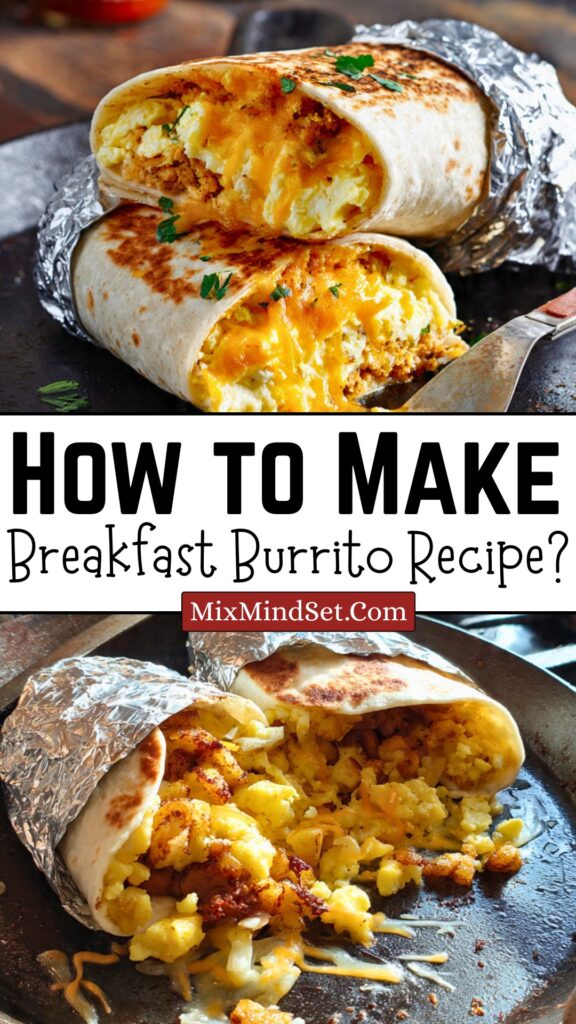
But not all breakfast burritos are created equal. A great one has the right balance of fluffy eggs, savory protein, melted cheese, and a tortilla that holds everything together without turning soggy or splitting. This recipe is designed to give you that perfect result every time.
I’m Fatima, and I’ll walk you through every step to build a breakfast burrito that’s both satisfying and practical.
What Makes a Breakfast Burrito Great?
Before diving into ingredients, it helps to understand the structure. A breakfast burrito is essentially a system. Each component needs to serve a purpose: flavor, texture, or structural integrity.
The Core Elements
- The Tortilla: Large (10–12 inch) flour tortillas are ideal. They’re pliable and sturdy enough to hold a generous filling.
- The Eggs: Scrambled softly so they don’t become rubbery when reheated or rolled.
- The Protein: Classic options include crispy bacon, breakfast sausage, chorizo, or even black beans for a vegetarian twist.
- The Melted Cheese: Cheese acts as glue, helping bind the fillings together. Cheddar, Monterey Jack, or a Mexican blend work well.
- The Texture Boosters: Potatoes (crispy hash browns or roasted) and fresh elements like pico de gallo or avocado add contrast.
Ingredients for 4 Large Burritos
Below is a clear breakdown of what you’ll need. Using the right proportions ensures each burrito is well-balanced without being overstuffed.
| Ingredient | Quantity | Notes |
|---|---|---|
| Large flour tortillas | 4 (10–12 inch) | Look for “burrito-size” tortillas |
| Large eggs | 8 | Free-range for richer flavor |
| Breakfast sausage or bacon | 1 lb | Or 1 cup crumbled chorizo |
| Russet or Yukon potatoes | 2 medium | Diced small for quick cooking |
| Shredded cheese | 1 ½ cups | Cheddar, Monterey Jack, or blend |
| Bell pepper | 1 | Diced, any color |
| Onion | ½ medium | Diced |
| Garlic | 2 cloves | Minced |
| Butter or oil | 2 tbsp | For cooking eggs and potatoes |
| Salt and black pepper | To taste | |
| Optional additions | Avocado, sour cream, hot sauce, fresh cilantro |
Step-by-Step Cooking Method
1. Prepare the Potatoes
Crispy, well-seasoned potatoes provide a satisfying base. Heat 1 tablespoon of oil in a large skillet over medium heat. Add the diced potatoes and season with salt and pepper. Cook for 8–10 minutes, stirring occasionally, until golden brown and tender. Remove and set aside.
Tip: Parboil the potatoes for 5 minutes if you want them extra soft inside while still crispy outside.
2. Cook the Protein
In the same skillet, cook your chosen protein. If using bacon, cook until crisp, then crumble. For sausage, remove casings and break into small pieces while browning. Chorizo adds a smoky, spicy depth. Once cooked, remove and set aside, leaving a little fat in the pan for flavor.
3. Sauté the Vegetables
Add the diced onion and bell pepper to the skillet. Sauté over medium heat for 4–5 minutes until softened. Add the minced garlic and cook for another 30 seconds until fragrant.
4. Scramble the Eggs
Whisk the eggs in a bowl with a pinch of salt. Reduce the heat to low, add the butter to the skillet with the vegetables, then pour in the eggs. Stir slowly with a spatula, folding gently until the eggs are just set but still soft. Overcooking now will lead to dry burritos later.
Combine the cooked potatoes, protein, and eggs in a large bowl. Stir in the shredded cheese so it begins to melt slightly from the residual heat.
Video Guide 📺
How to Assemble a Burrito That Doesn’t Fall Apart?
Assembly is where many people go wrong. A poorly rolled burrito leads to filling leaking out or the tortilla tearing. Follow this method for consistent results.
- Warm the tortilla: Heat each tortilla in a dry skillet or microwave for 20 seconds. This makes it flexible and less likely to crack.
- Layer strategically: Place the filling slightly off-center, closer to one edge. Leave about 1.5 inches of border on the sides.
- Fold the sides: Fold the left and right edges inward over the filling.
- Roll tightly: Grab the bottom edge closest to you, pull it over the filling, and tuck it under slightly. Roll forward firmly but gently, keeping the sides folded.
- Seal the seam: Place the burrito seam-side down on a hot skillet for 30 seconds to seal it. This step also adds a golden, crispy exterior.
(Pro Tip: The Double Wrap) For extra stability, especially if you’re meal-prepping, wrap the finished burrito in foil. This holds its shape and traps heat, keeping it warm for up to an hour.
Common Mistakes to Avoid:
Even experienced cooks can run into trouble. Here are a few pitfalls and how to avoid them.
- Using a tortilla that’s too small: A 10-inch tortilla is the minimum. Anything smaller will burst at the seams.
- Overfilling: It’s tempting to add everything, but aim for about 1 to 1.5 cups of filling per burrito. Overfilling makes rolling impossible.
- Soggy fillings: Drain any excess liquid from cooked vegetables, potatoes, or meats. Wet fillings will steam the tortilla and cause it to tear.
- Cold ingredients: If you add cold sour cream or avocado directly against the tortilla, it can create moisture. Place them in the center of the filling or serve them as a dip on the side.
- Skipping the sear: Not sealing the burrito seam-side down in a hot pan leaves the tortilla soft and prone to unwrapping.
Make-Ahead and Freezing Instructions
Breakfast burritos are excellent for meal prep. When made correctly, they freeze beautifully and reheat in minutes.
To Freeze
- Allow the assembled burritos to cool completely before wrapping.
- Wrap each burrito tightly in parchment paper, then again in aluminum foil. The parchment prevents sticking, and the foil protects against freezer burn.
- Store in a freezer-safe bag for up to 3 months.
To Reheat
- From frozen (microwave): Remove foil, wrap in a paper towel, and microwave for 2–3 minutes, flipping halfway through.
- From frozen (oven): Wrap in foil and bake at 350°F for 20–25 minutes, or until heated through.
- For a crispy exterior: After reheating, unwrap and place in a skillet for 1–2 minutes per side to re-crisp the tortilla.
Recipe Variations to Try
Once you master the basic method, experiment with these variations:
- Southwest Style: Add black beans, corn, and pepper jack cheese. Top with fresh salsa and cilantro.
- Vegan: Use tofu scramble seasoned with turmeric and nutritional yeast. Replace cheese with a dairy-free alternative and add roasted sweet potatoes.
- Low-Carb: Use a low-carb tortilla or collard green wrap. Increase protein and add more vegetables like spinach and mushrooms.
- Spicy Chorizo & Egg: Use Mexican chorizo, add pickled jalapeños, and finish with a drizzle of crema.
Nutritional Information
Understanding the nutritional profile helps you adapt the recipe to your dietary needs. The values below are estimated for one large burrito made with sausage, cheese, potatoes, and a standard flour tortilla.
| Nutrient | Amount Per Burrito |
|---|---|
| Calories | 620–680 |
| Protein | 28g |
| Carbohydrates | 45g |
| Fat | 34g |
| Saturated Fat | 12g |
| Fiber | 4g |
| Sodium | 980mg |
Frequently Asked Questions
Can I make breakfast burritos without eggs?
Absolutely. Substitute scrambled tofu or simply load up on potatoes, beans, cheese, and your choice of protein. The structure remains the same.
What’s the best cheese for breakfast burritos?
A melting cheese like Monterey Jack, cheddar, or a Mexican blend works best. Avoid cheeses that don’t melt well, such as feta or paneer, unless you’re using them as a topping.
Why did my tortilla get soggy?
Sogginess usually comes from excess moisture in the fillings or wrapping the burrito while the ingredients are still steaming hot. Let the filling cool for 5–10 minutes before assembling, and drain any liquid from cooked vegetables.
Can I use corn tortillas?
Corn tortillas are smaller and less pliable, making them difficult to roll into a burrito. If you prefer corn, consider making breakfast tacos instead, which are a great alternative.
How do I prevent the burrito from bursting when rolling?
Don’t overfill, warm the tortilla first, and fold the sides tightly before rolling. Pressing the burrito seam-side down in a hot skillet after rolling also helps set the shape.
Conclusion
A great breakfast burrito is more than just a quick meal—it’s a versatile, satisfying way to start the day. By focusing on the balance of textures, using the right technique for assembly, and avoiding common pitfalls like overfilling or sogginess, you can create burritos that rival your favorite café.
Whether you’re making a batch for busy weekday mornings or crafting a customized version for a weekend brunch, this recipe gives you the tools to do it confidently. Keep the fillings simple or get creative—the structure remains the same, and the results are always rewarding.