Oyster Mushroom Recipe
If you’ve only seen oyster mushrooms as a bland vegetarian substitute for scallops or chicken, you haven’t tried them cooked the right way.
These velvety, fan-shaped mushrooms have a natural umami depth and a meaty texture that even devoted carnivores love—but they can turn rubbery or waterlogged if you don’t know the trick.
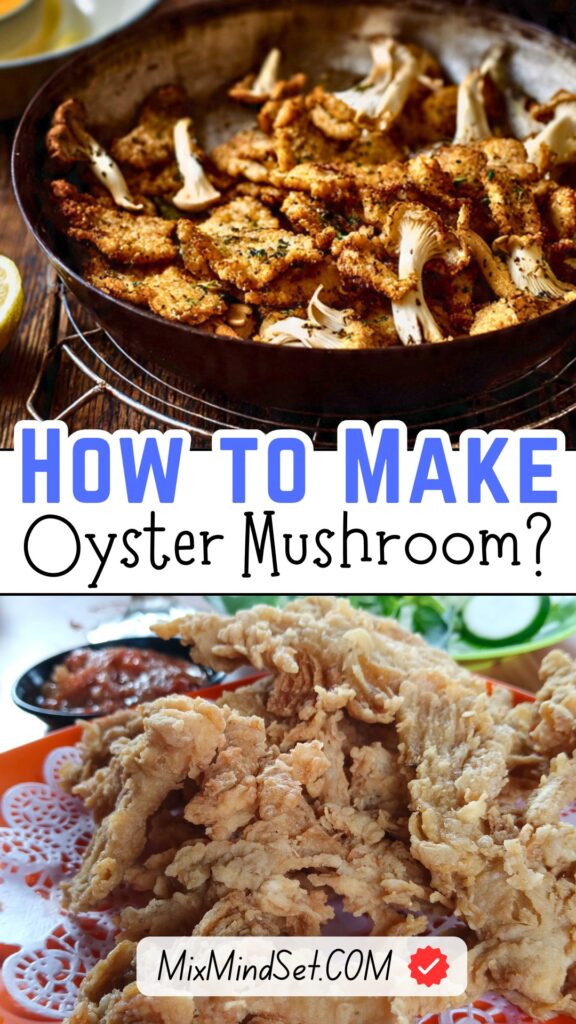
This oyster mushroom recipe gives you golden, crispy edges with a juicy, tender center in under 15 minutes. No complicated marinades, no obscure ingredients. Just a simple pan‑sear that turns these beautiful fungi into the star of your plate.
Why This Oyster Mushroom Recipe Works?
Oyster mushrooms are different from button or cremini. They’re more delicate but also more absorbent, which means they can easily become greasy or soggy. This recipe solves that with three key moves:
- Dry‑searing first – No oil at the beginning. This forces moisture out and creates a crust without deep frying.
- Finishing with butter & aromatics – Adds richness without drowning the mushroom’s natural flavor.
- Leaving them whole or in large pieces – More surface area for browning, less risk of overcooking.
The result? A texture that’s remarkably similar to seared scallops or crispy chicken skin—satisfying, savory, and deeply delicious.
Ingredients You’ll Need
| Ingredient | Quantity | Notes |
|---|---|---|
| Oyster mushrooms | 8 oz (about 2–3 large clusters) | Any color works: gray, blue, pink, or golden |
| Avocado oil or ghee | 1 tbsp | High smoke‑point oil |
| Unsalted butter | 2 tbsp | Adds richness at the end |
| Garlic | 4 cloves, thinly sliced | Thin slices won’t burn as easily as minced |
| Fresh thyme or rosemary | 2 sprigs | Optional but recommended |
| Salt | ½ tsp (or to taste) | Use flaky sea salt for finishing |
| Black pepper | ¼ tsp | Freshly cracked |
| Lemon juice | 1 tsp | Fresh, for brightness |
| Fresh parsley | 2 tbsp, chopped | For garnish |
Pro tip: Look for oyster mushrooms that feel dry to the touch and smell faintly of anise or seafood. Avoid any that are slimy or have dark spots.
Step‑by‑Step Cooking Instructions
1. Clean without water
Do not rinse oyster mushrooms under a tap. Instead, brush off any dirt with a dry pastry brush or a paper towel. If they’re very dirty, wipe with a damp cloth, then pat thoroughly dry. Moisture is the enemy of browning.
2. Tear, don’t cut
Gently tear the mushrooms into large, scallop‑sized pieces (about 2–3 inches across). Keep the stems attached to the caps—they’re tender and flavorful. Tearing follows the natural grain and helps them cook evenly.
3. Dry‑sear first
Place a large non‑stick or cast‑iron skillet over medium‑high heat. Add the mushroom pieces without any oil. Spread them in a single layer. Cook for 2 minutes without moving them. They will sizzle and release water—that’s good.
4. Flip and add oil
After 2 minutes, flip each piece. You should see golden brown spots. Now add the avocado oil (or ghee) to the pan, swirling to coat. Cook for another 2 minutes until the other side is deeply browned.
5. Add butter and aromatics
Lower heat to medium. Add butter, sliced garlic, and herb sprigs. Tilt the pan and spoon the foaming butter over the mushrooms for 30–45 seconds. The garlic should be golden, not burnt.
6. Finish and serve
Remove the herb sprigs. Sprinkle with salt, pepper, lemon juice, and fresh parsley. Serve immediately—these mushrooms lose their crispness after 10 minutes.
Video Guide 📺
Nutritional Information (Per Serving)
This recipe makes 2 side servings or 1 hearty main over grains.
| Nutrient | Amount |
|---|---|
| Calories | 210 kcal |
| Protein | 5 g |
| Total Fat | 18 g |
| Saturated Fat | 8 g |
| Carbohydrates | 8 g |
| Fiber | 3 g |
| Sugars | 2 g |
| Sodium | 310 mg |
| Vitamin D | 12% DV |
| Iron | 6% DV |
| Potassium | 420 mg |
Oyster mushrooms are one of the few plant sources of vitamin D (especially if grown with UV light). They’re also rich in beta‑glucans that support immune health.
Common Mistakes to Avoid
- Washing the mushrooms – They absorb water like a sponge, leading to steaming instead of searing. Dry brushing only.
- Using oil too early – Oil before browning creates a barrier that traps moisture. Dry‑sear first for a real crust.
- Crowding the pan – If mushrooms overlap, they’ll steam. Cook in batches if needed.
- Overcooking – Oyster mushrooms go from perfect to leathery in about 60 seconds. As soon as they’re golden and tender, stop.
- Skipping the lemon – A tiny squeeze of acid at the end cuts through the richness and lifts the entire dish.
Delicious Variations
- Oyster mushroom “bacon” – Tear into thin strips, toss with smoked paprika, maple syrup, and soy sauce, then bake at 375°F for 15–20 minutes until crispy.
- Garlic butter pasta – Slice mushrooms thinner, sear as above, then toss with cooked pasta, extra butter, Parmesan, and a splash of pasta water.
- Korean BBQ oyster mushrooms – After dry‑searing, add 1 tbsp gochujang + 1 tbsp soy sauce + 1 tsp honey. Cook for 1 minute. Serve with rice and kimchi.
- Oyster mushroom tacos – Roughly chop the seared mushrooms, warm corn tortillas, and top with avocado, pickled onions, and cilantro.
Frequently Asked Questions
Can you eat oyster mushrooms raw?
Technically yes, but they have a metallic, bitter taste when raw and can be hard to digest. Always cook them for best flavor and texture.
How do you store leftover cooked oyster mushrooms?
Place in an airtight container and refrigerate for up to 2 days. Reheat in a dry cast‑iron skillet over medium heat—never microwave, which turns them into rubber.
What’s the best substitute for oyster mushrooms?
King oyster mushrooms (sliced into rounds) or shimeji mushrooms work well. For a non‑mushroom alternative, try hearts of palm sliced thick and seared similarly.
Why did my oyster mushrooms turn out chewy?
Two likely reasons:
- You didn’t dry‑sear first, so they steamed and became tough.
- You used low heat instead of medium‑high. High heat is essential for breaking down their fibrous structure.
Are the stems edible?
Yes! Oyster mushroom stems are tender and flavorful—unlike shiitake stems. Just trim off any hard, woody base.
Final Thoughts
Oyster mushrooms are a forgotten gem of the produce aisle. When cooked with patience and high heat, they transform into something truly special: crispy at the edges, juicy inside, and packed with savory flavor. This recipe gives you a foolproof method that works for breakfast (hello, mushroom toast), lunch, or dinner.
Once you master this dry‑sear technique, you’ll start buying oyster mushrooms every time you see them. They’re affordable, sustainable, and unbelievably versatile. Give it a try tonight—your taste buds will thank you.