How to Make Pistachio Paste?
There is something magical about homemade pistachio paste. That vibrant green hue, the rich, nutty aroma, and the velvety smooth texture that instantly elevates everything from ice cream to croissants.
Store‑bought versions are expensive, often packed with artificial colours and preservatives. But making your own is surprisingly simple, far more affordable, and infinitely more rewarding.
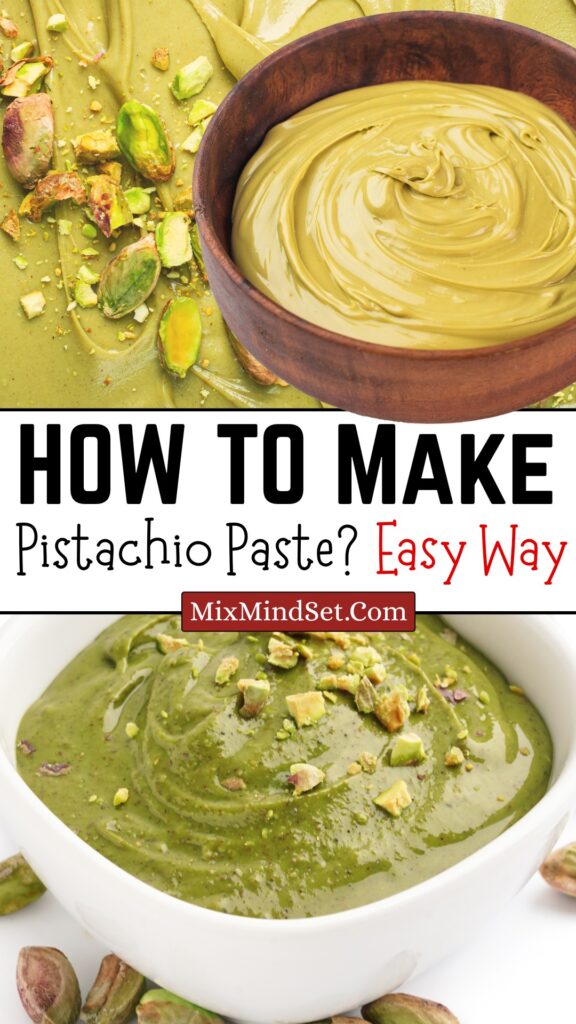
This guide on how to make pistachio paste walks you through two foolproof methods: a silky, spreadable paste for baking and a chunkier, rustic version for swirled desserts.
You will learn how to select the best pistachios, achieve that stunning natural green colour, and store your paste for months. Ready to unlock the secret of Italian pistachio cream? Let’s begin.
Why Make Pistachio Paste at Home?
- Pure flavour – No artificial colouring, no palm oil, no preservatives.
- Cost‑effective – A jar of quality pistachio paste can cost $15–20; homemade is pennies.
- Customizable – Adjust sweetness, texture, and intensity to your liking.
- Halal‑friendly – No alcohol or questionable additives.
- Versatile – Use in cakes, cookies, ice cream, pasta fillings, or simply spread on toast.
Ingredients You’ll Need
The quality of your pistachio paste depends almost entirely on the pistachios themselves. Choose the best you can find.
| Ingredient | Amount | Notes |
|---|---|---|
| Shelled, unsalted pistachios | 200g (about 1 ½ cups) | Raw or roasted; preferably with skins on for deeper flavour |
| Powdered sugar (or confectioners’ sugar) | 50–80g (about ½ cup) | Adjust to taste; helps achieve smooth texture |
| Neutral oil (sunflower, grapeseed, or refined coconut) | 1–3 tbsp | For creaminess; add gradually |
| Salt | ¼ tsp | Enhances nuttiness |
| Optional: natural green colour (spinach or matcha powder) | ¼ tsp | Only if needed – good pistachios are naturally green |
Pro tip: Look for Iranian or Sicilian pistachios – they have the brightest natural green colour. Avoid pre‑salted or dry‑roasted nuts.
Two Methods: Smooth Paste vs. Rustic Paste
| Method | Texture | Best For | Time |
|---|---|---|---|
| Food processor (standard) | Slightly grainy, rustic | Biscotti, swirls, no‑bake desserts | 10–15 min |
| High‑speed blender (silky) | Velvety, ultra‑smooth | Macarons, ice cream, ganache | 5–10 min |
Step‑by‑Step: How to Make Pistachio Paste (Food Processor Method)
Step 1: Prepare the Pistachios
If your pistachios have skins on (the thin brown layer), you have two options:
- Keep them – Adds a deeper, earthier flavour and darkens the colour.
- Remove them – For a brighter green, more vibrant paste. To remove skins: blanch pistachios in boiling water for 60 seconds, drain, then rub with a kitchen towel. The skins will slip off.
Roast for extra flavour (optional): Spread raw pistachios on a baking sheet. Roast at 300°F (150°C) for 8–10 minutes until fragrant. Cool completely.
Step 2: Grind to a Fine Powder
Place pistachios in a food processor. Pulse for 10–15 seconds until they become a coarse meal. Do not over‑process at this stage – you want a powder, not a paste yet.
Step 3: Add Sugar and Salt
Add powdered sugar and salt. Pulse a few more times to combine.
Step 4: Add Oil Gradually
With the food processor running, slowly drizzle in neutral oil (1 tablespoon at a time). The mixture will clump, then eventually transition into a smooth, spreadable paste. Stop when it reaches your desired consistency. For a thicker, more almond‑butter‑like paste, use less oil (1–2 tbsp). For a pourable, cream‑like consistency, use 3–4 tbsp.
Step 5: Blend Until Smooth
Process for 2–3 minutes, scraping down the sides as needed. The paste will warm up and become silkier. If you want an ultra‑smooth paste, transfer to a high‑speed blender and blend for 30 seconds.
Step 6: Store
Transfer to a sterilised glass jar. Seal tightly. Store in the refrigerator.
Pro tip: For a sugar‑free version, substitute powdered sugar with erythritol or monk fruit sweetener (powdered). Add a few drops of liquid stevia if needed.
Video Guide 📺
How to Make Pistachio Paste in a High‑Speed Blender (Vitamix Method)
This method produces the velvetiest, bakery‑quality paste perfect for macarons and French pastries.
Step 1: Prepare pistachios as above (blanch and remove skins for best colour).
Step 2: Place pistachios in a high‑speed blender. Blend on low speed to break them down, then gradually increase to high.
Step 3: Stop and scrape down the sides frequently. The nuts will release their natural oils and turn into a smooth liquid. This can take 3–5 minutes.
Step 4: Add powdered sugar and salt through the lid opening while blending.
Step 5: Add oil only if needed – high‑speed blenders often create enough natural oil from the nuts themselves. If the paste is too thick, add 1–2 teaspoons of oil.
Step 6: Transfer to a jar and refrigerate.
How to Use Pistachio Paste?
| Use | Method |
|---|---|
| Pistachio buttercream | Beat ½ cup softened butter with ½ cup pistachio paste, then add powdered sugar and milk. |
| Pistachio ice cream | Stir ½ cup paste into custard base before churning. |
| Pistachio croissants | Spread a thin layer inside croissant dough before rolling. |
| Pistachio milk | Blend 2 tbsp paste with 1 cup warm water and a date, then strain. |
| Pistachio frosting for cakes | Mix with cream cheese or mascarpone. |
| Pistachio swirl brownies | Drop spoonfuls of paste over brownie batter and swirl. |
Tips for the Best Pistachio Paste (And Mistakes to Avoid)
✅ Do This for Vibrant, Flavorful Paste
- Use raw, unsalted pistachios – Roasted can be used, but raw gives you control over roasting level.
- Remove skins for brighter green – The brown skins dull the colour considerably.
- Roast lightly – Freshly roasted pistachios release more oils and have a deeper flavour.
- Add a tiny pinch of matcha – If your pistachios are pale, ⅛ teaspoon of matcha powder boosts the green colour naturally.
❌ Common Mistakes
| Mistake | Why It Happens | Fix |
|---|---|---|
| Gritty, grainy paste | Not processed long enough or low‑quality food processor | Blend for 3–5 minutes; use a high‑speed blender |
| Paste is too thick or dry | Not enough oil or over‑roasted nuts | Add oil 1 tsp at a time until creamy |
| Paste turns brown or grey | Nuts roasted too long or skins left on | Roast at low temperature; remove skins for bright colour |
| Bitter aftertaste | Rancid pistachios or burnt roasting | Taste nuts before using; roast gently |
| Separation (oil on top) | Natural oil separation – normal for homemade paste | Stir before each use |
Pro tip: To test if your pistachios are fresh, bite one. It should be crunchy with a sweet, nutty flavour. Any hint of rancid or “old” taste means start over.
How to Store Pistachio Paste?
| Storage Method | Duration | Notes |
|---|---|---|
| Refrigerator (airtight jar) | 2–3 months | Press plastic wrap directly on surface to prevent oxidation |
| Freezer (airtight container) | 6 months | Thaw overnight in fridge before using |
| Room temperature | Not recommended | Oils go rancid quickly |
Pro tip: For longer fridge life, add a thin layer of neutral oil on top of the paste before sealing. This creates an oxygen barrier.
Frequently Asked Questions
Can I make pistachio paste without a food processor?
Yes, but it takes more effort. Use a mortar and pestle or a nut grinder. Grind pistachios in small batches until fine. Then work in sugar and oil by hand. The texture will be rustic but perfectly delicious for many uses.
Is pistachio paste the same as pistachio butter?
Essentially, yes. Some recipes add more sugar and oil for a “paste” used in baking, while “butter” may be unsweetened. This recipe falls in the middle – sweet enough for desserts but not overly sugary.
Can I use salted pistachios?
Not recommended. Salted pistachios will make the paste too salty for desserts. If that is all you have, reduce or omit added salt. Rinse the nuts briefly and dry thoroughly before roasting.
How do I get that vibrant Sicilian green colour?
- Use Iranian or Sicilian pistachios – they are naturally greener.
- Remove all brown skins – this is the single biggest factor.
- Add a whisper of matcha powder (¼ tsp per cup of nuts).
- Avoid over‑roasting – heat dulls the green colour.
Can I use pistachio paste in savoury dishes?
Absolutely. Reduce or omit the sugar. Use as a base for pistachio pesto (with basil, garlic, Parmesan, and olive oil) or as a thickener for sauces.
Is this recipe halal?
Yes. All ingredients (pistachios, sugar, oil, salt) are halal. No alcohol, no gelatin, no animal products. This is also vegan and gluten‑free.
Why is my paste not becoming smooth?
Your food processor or blender may not be powerful enough, or you may need to add more oil. Process in longer bursts, scraping down the sides. If it remains grainy, use it as a “rustic paste” – it still tastes wonderful.
Nutritional Information (Per 1 Tablespoon / 15g Serving)
| Nutrient | Amount |
|---|---|
| Calories | 70–85 kcal |
| Protein | 2 g |
| Fat | 6 g |
| Saturated Fat | 0.8 g |
| Carbohydrates | 4 g |
| Fiber | 1 g |
| Sugar | 3 g |
| Vitamin B6 | 6% DV |
| Copper | 12% DV |
Conclusion
Mastering how to make pistachio paste feels like unlocking a secret level of baking. You transform humble nuts into a luxurious, versatile ingredient that rivals professional pastry shop supplies.
Spread it on toast, swirl it into ice cream, or use it as a filling for delicate Italian cookies. Every time you open a jar of that vibrant green paste, you will remember: you made this.
Once you taste homemade, you will never buy the overpriced, additive‑laden jars again.
Now go crack those nuts.
— Fatima