How to Get Rid of Garden Pests With Garlic Spray?
Make a powerful, natural pest spray from simple kitchen garlic. This guide covers easy recipes, which bugs it fights, and how to apply it safely to protect your garden. #OrganicGardening #GarlicSpray #NaturalPestControl #DIYGarden #ChemicalFree
I remember the first time I saw my vegetable garden getting eaten by tiny green bugs. I did not want to use harsh chemicals because my kids play near the plants. I felt like I had no choice.
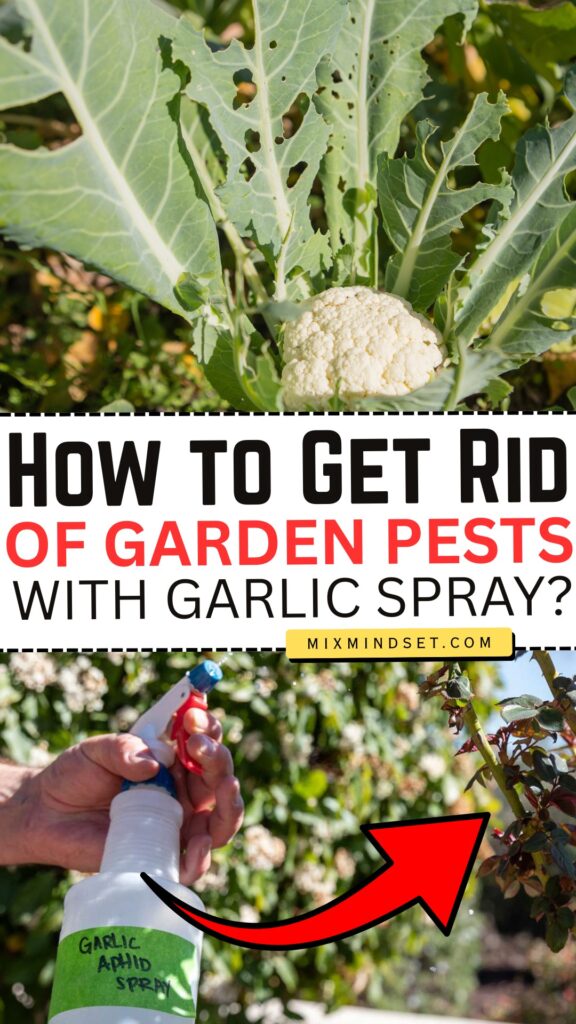
Then an older neighbor told me to try garlic spray. I thought she was joking. But I tried it, and it worked. The bugs stayed away, and my plants were safe. Now I make garlic spray every year. Let me show you how.
What Is Garlic Spray?
Garlic spray is a homemade liquid made from garlic, water, and sometimes a little soap. It is not a poison that kills bugs instantly. Instead, it works as a repellent. It smells bad to pests, so they fly away and find food somewhere else.
The magic comes from a chemical called allicin. This is released when you crush or chop garlic. Allicin has a strong sulfur smell that insects hate. It confuses their senses and drives them away. Researchers have found that garlic spray can be as effective as some synthetic pesticides.
Why Use Garlic Spray?
Here is why I choose garlic spray over store-bought chemicals:
- It is cheap. A whole garlic bulb costs less than 50p. One batch costs almost nothing.
- It is safe. It is non-toxic to plants, people, and pets. It does not leave a garlic taste on vegetables.
- It fights fungi too. Garlic has natural antifungal properties that can help with powdery mildew.
- It is good for the environment. It does not harm helpful garden critters when used carefully.
Which Pests Does Garlic Spray Work On?
Garlic spray is most effective against soft-bodied insects.
👍 Pests It Works Well Against
👎 Pests It Is Less Effective Against
Garlic spray is not a magic cure-all. Hard-bodied insects are less affected because the oils cannot easily penetrate their tough outer shells.
- Stink bugs – They do not love the smell, but it will not kill them.
- Beetles – Their hard shells protect them.
- Wasps – They lack the taste receptors for garlic.
For these pests, you may need to combine garlic spray with other methods, like hand-picking or using physical barriers.
How to Make Garlic Spray: 3 Simple Recipes
You can make garlic spray in different ways. I will give you my favorite recipes, from quickest to most powerful.
Recipe 1: The Quick Blend (Fastest)
This is the recipe I use when I need something fast.
What You Need:
| Ingredient | Amount |
|---|---|
| Garlic cloves | 1 whole bulb (8–10 cloves) |
| Water | 1 liter (about 4 cups) |
| Mild liquid soap (like Dawn or Castile) | 4–5 drops |
Step-by-Step:
Step 1: Separate the garlic bulb into cloves and peel them.
Step 2: Put the cloves and 1 liter of water into a blender. Blend until the mixture looks fine and cloudy. This releases the allicin.
Step 3: Pour the liquid into a jar or bowl. Let it sit for at least 12 hours or overnight. This steeping time makes the spray stronger.
Step 4: Strain the liquid through a fine strainer, cheesecloth, or a coffee filter. You need to remove all the solid bits. If you do not, they will clog your spray bottle.
Step 5: Add 4–5 drops of mild liquid soap and swirl gently. The soap helps the spray stick to plant leaves.
Step 6: Pour the strained liquid into a clean spray bottle. Label it clearly.
Dilution: For most plants, you can use this as is. For very young or sensitive seedlings, dilute it with an equal amount of water.
Recipe 2: The Boiled Garlic Method (Stronger Smell)
This method releases even more of the garlic’s compounds.
What You Need:
| Ingredient | Amount |
|---|---|
| Garlic bulbs | 2 whole bulbs |
| Water | Enough to boil, plus 5 liters for dilution |
| Dish soap (optional) | A drop or two |
Step-by-Step:
Step 1: Boil two garlic bulbs in water until they become soft.
Step 2: Drain the water. Crush the soft garlic to release the juice.
Step 3: Remove the garlic skins.
Step 4: Mix the garlic juice with about 5 liters of water.
Step 5: Add a drop of dish soap to help it stick. Pour into a spray bottle and use.
Recipe 3: The Garlic and Chili Spray (Extra Power)
For tough infestations, I add chili peppers. The heat of the chili peppers puts off pests even more.
What You Need:
| Ingredient | Amount |
|---|---|
| Garlic cloves | 10–12 large cloves |
| Hot chili peppers (dried or fresh) | 4–6 peppers (or 1 tablespoon cayenne pepper) |
| Water | Generous 2 cups |
| Liquid Castile soap | 1 tablespoon |
Step-by-Step:
Step 1: Put the garlic, chili peppers, and water into a blender.
Step 2: Blend until everything is pureed.
Step 3: Let it sit for at least 2 hours or overnight.
Step 4: Strain the mixture through a cheesecloth-lined strainer.
Step 5: Add 1 tablespoon of liquid Castile soap and stir.
Step 6: This makes a concentrate. To use, mix 2 tablespoons of concentrate with 1 liter (1 quart) of water.
Important: Do not spray this on a sunny day. The chili can burn the leaves.
How to Apply Garlic Spray Correctly
How you apply the spray is just as important as how you make it.
Best Time to Spray
- Spray in the evening or early morning. Spraying in the hot sun can burn the leaves. Evening is best because the spray has time to dry overnight.
- Do not spray before rain. Rain will wash the spray away before it can work.
Where to Spray
- Spray both sides of the leaves. Pests like to hide on the undersides of leaves. Make sure you cover the stems and the tops and bottoms of the leaves.
- Spray the soil around the plant. This helps repel slugs and snails.
How Often to Spray
- Reapply once a week to keep pests away.
- If you have a serious infestation, apply the spray every 2 to 3 days until the pests are gone.
- Reapply after rain or watering.
Important Safety Tips
- Test on one leaf first. Before you spray your whole plant, test the spray on a single leaf. Wait 24 hours. If the leaf looks burned or damaged, dilute the spray with more water.
- Do not spray on seedlings or very young plants. Their leaves are too delicate. Wait until they are bigger.
- Avoid spraying on flowers. Garlic spray can harm beneficial insects like bees. Only spray the parts of the plant that have pests.
- Wash your hands after spraying. The garlic smell is strong and will stay on your skin.
What to Do If You Use Too Much
I once got too excited and sprayed my tomato plants with a very strong batch. The next day, the leaves had brown spots. I had burned them.
If this happens to you:
- Rinse the plant with plain water. Use a gentle spray from your hose to wash off the excess garlic spray.
- Move the plant to the shade if it is in direct sun.
- Wait and watch. The plant will usually recover. New growth will be healthy.
To prevent this, always start with a weaker dilution. You can always make it stronger later.
Quick Reference Table: Recipes at a Glance
| Recipe | Main Ingredients | Best For | Time to Make |
|---|---|---|---|
| Quick Blend | 1 bulb garlic, 1 liter water, soap | Everyday pest prevention | Overnight |
| Boiled Garlic | 2 bulbs garlic, 5 liters water | Strong-smelling repellent | 1 hour + boiling |
| Garlic & Chili | 10 cloves garlic, chili peppers, water, soap | Tough infestations | Overnight + straining |
When Not to Use Garlic Spray
Garlic spray is a great tool, but it is not always the answer.
- If you have a massive infestation. Garlic spray repels, but it does not kill on contact. If your plant is covered in bugs, you may need a stronger, natural insecticidal soap or neem oil.
- If you have hard-bodied pests. As mentioned, stink bugs and beetles are not very affected.
- On very hot, sunny days. The spray can burn leaves. Always spray in the evening.
- On plants you are about to harvest. While garlic spray does not leave a taste, it is best to stop spraying a week before you pick your vegetables.
My Personal Garlic Spray Routine
Here is exactly what I do in my own garden:
- Every Sunday evening during the growing season, I mix a fresh batch of garlic spray using the Quick Blend recipe.
- I spray my tomato, pepper, and cucumber plants first. These are the plants that always get aphids.
- I spray the undersides of the leaves carefully.
- I reapply after heavy rain.
- If I see a few aphids, I spray every 3 days until they are gone.
Since I started this routine, I have almost no pest problems. My plants are healthy, and I never use chemicals.
The Bottom Line
Garlic spray is one of the cheapest, safest, and most effective natural pest controls you can make at home. It works by repelling soft-bodied insects like aphids, mites, slugs, and caterpillars. It will not kill hard-bodied beetles or stink bugs, but it will keep many other pests away.
The key is to make it fresh, strain it well, spray it in the evening, and reapply it regularly. Test it on one leaf first to make sure it does not burn your plant.
I have been using garlic spray for years. It has saved my garden more times than I can count. Try it once, and you will see the difference. Your plants will thank you.