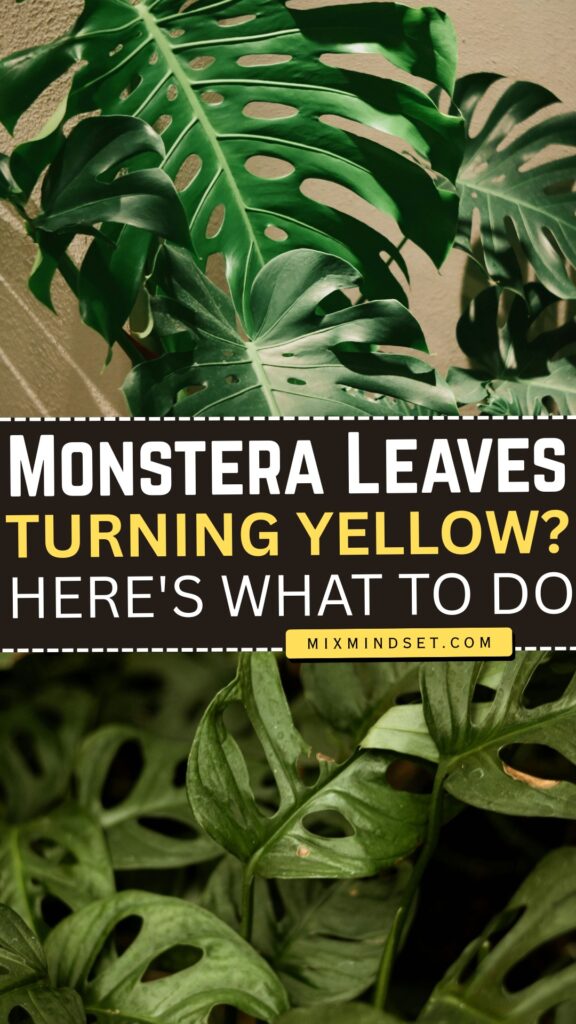
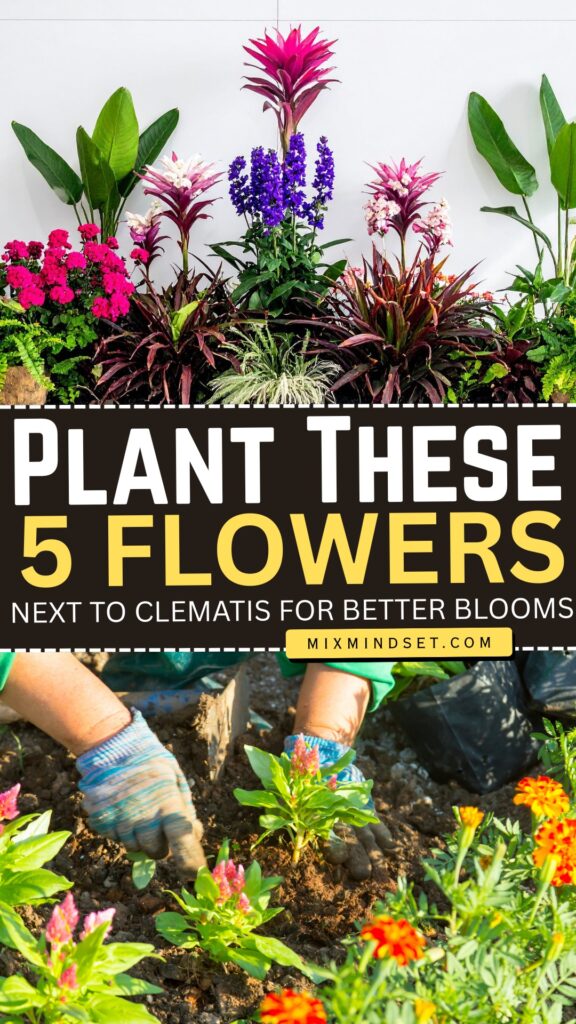
Plant These 5 Flowers Next to Clematis for Better Blooms
Plant these 5 flowers next to your clematis for healthier vines and more blooms. This guide covers the best companions, from roses to lavender, and why they work so well together. #ClematisCare #CompanionPlanting #GardeningTips #FlowerGarden #GardenDesign
I remember the first time I planted a clematis. I put it in a nice spot, gave it a trellis, and waited. It grew, but it looked lonely. The bottom was bare, and the whole thing felt like it was just there, not part of the garden.
Then a gardener friend told me, “Clematis likes company.” She showed me how to plant other flowers around it, and the difference was amazing. The clematis bloomed more, the garden looked fuller, and I finally understood what she meant.
Now I always plant companions with my clematis. Here are the five best flowers I have found.
Why Companion Planting Works for Clematis
Clematis has a unique habit. It loves its roots to be cool and shaded, but its vines and flowers need sunlight on top. This is called “heads in the sun, feet in the shade.” Planting low-growing flowers around the base helps shade the roots and keep them cool.
The right companions also:
- Attract pollinators like bees and butterflies, which help your clematis produce more blooms
- Repel pests like aphids, keeping your clematis healthy
- Add color and interest when your clematis is not in bloom
- Create a fuller, more natural look in your garden
5 Flowers to Plant Next to Your Clematis
1. Roses
Roses and clematis are a classic pairing. They have similar care needs—both like well-drained soil, consistent watering, and plenty of sun. The rose provides a beautiful, natural support for the clematis vine to climb through. The different flower shapes and colors complement each other perfectly.
Why they work: They share the same growing conditions and create a stunning visual display. The rose adds fragrance and structure, while the clematis adds height and contrasting blooms.
Best pairing: A climbing rose with a purple or blue clematis is a classic combination.
2. Lavender
Lavender is an aromatic perennial that thrives in well-drained soil and full sun. It is drought-tolerant once established and easy to care for.
Why it works: Lavender’s natural scent repels pests like aphids and moths, keeping your clematis healthy. Its purple flowers also provide a beautiful color contrast. Plus, it is low-growing, so it will not shade the clematis vines.
My experience: I planted lavender at the base of my clematis, and I noticed fewer aphids that year. The bees loved it too.
3. Delphiniums
Delphiniums are tall, stately perennials with spikes of blue, white, or purple flowers. They add a strong vertical element to the garden.
Why it works: The tall flower spikes provide a beautiful height contrast to the climbing clematis. Delphiniums also attract beneficial insects like bees and butterflies, which help pollinate your clematis.
Best pairing: Plant delphiniums behind or next to your clematis so they rise up behind the vine.
4. Hellebores (Helleborus)
Hellebores are shade-tolerant perennials that bloom very early in spring, often when snow is still on the ground. They have unique, nodding flowers in shades of white, pink, purple, and green.
Why it works: They extend the blooming season in your garden. They bloom before the clematis starts, so you get color early in the year. They also provide excellent ground cover and help retain soil moisture around the clematis roots.
My experience: I love hellebores because they are so tough. They survive cold winters and bloom when almost nothing else is flowering. They make the clematis area look alive long before the vine wakes up.
5. Hostas
Hostas are low-growing foliage plants with large, attractive leaves in shades of green, blue, or gold. They thrive in shade and are perfect for planting at the base of a clematis.
Why it works: Hostas are ideal for shading and cooling the clematis roots. They keep the soil moist and cool, which clematis loves. They also fill in the bare bottom of the clematis vine with lush foliage.
Best pairing: Plant hostas in a ring around the base of your clematis. Choose a variety with a leaf color that complements your clematis flowers.
Quick Reference Table
| Flower | Best Feature | Light Needs | What It Does |
|---|---|---|---|
| Roses | Classic beauty, fragrance | Full sun | Provides structure, shares care needs |
| Lavender | Pest repellent, drought-tolerant | Full sun | Repels aphids, adds fragrance |
| Delphiniums | Tall spikes, vertical interest | Full sun | Attracts pollinators, adds height |
| Hellebores | Early spring blooms | Partial to full shade | Extends blooming season, ground cover |
| Hostas | Foliage, root shade | Shade | Cools roots, fills bare spots |
How to Plant Companions with Clematis
Give Them Space
Plant your companions at least 30 cm (12 inches) away from the base of the clematis. This gives the clematis roots room to breathe and prevents competition.
Plant Low-Growing Companions
Low-growing plants like lavender and hostas are ideal for shading the roots without blocking sunlight from the vine.
Match the Growing Conditions
Make sure your companions like the same soil and light as your clematis. Clematis prefers well-drained, slightly alkaline soil and full sun to part shade.
Avoid Heavy Feeders
Do not plant heavy feeders next to clematis. They will compete for nutrients and water. Also avoid invasive plants like mint, which can take over.
My Personal Routine
Here is what I do in my own garden.
In spring: I plant hellebores around the base of my clematis. They bloom early and provide a beautiful start to the season.
In summer: I add lavender and roses nearby. The lavender keeps pests away, and the roses climb alongside the clematis.
In fall: I plant hostas for lush foliage that stays green through the season.
Since I started doing this, my clematis has bloomed more and looked healthier. The garden feels balanced and alive.
The Bottom Line
Companion planting is one of the easiest ways to make your clematis thrive. Roses provide support and beauty. Lavender repels pests. Delphiniums add height. Hellebores bloom early. Hostas shade the roots.
Pick one or two of these flowers and plant them near your clematis. You will see the difference in no time. Your clematis will bloom better, and your garden will look more beautiful.