How to Stop Chickens From Pecking Each Other?
Stop chickens from pecking each other with simple, proven methods. This guide covers the causes of feather pecking and bullying, plus easy fixes like more space, better food, and fun distractions to keep your flock safe and happy. #BackyardChickens #ChickenCare #PoultryTips #HappyFlock #Homesteading
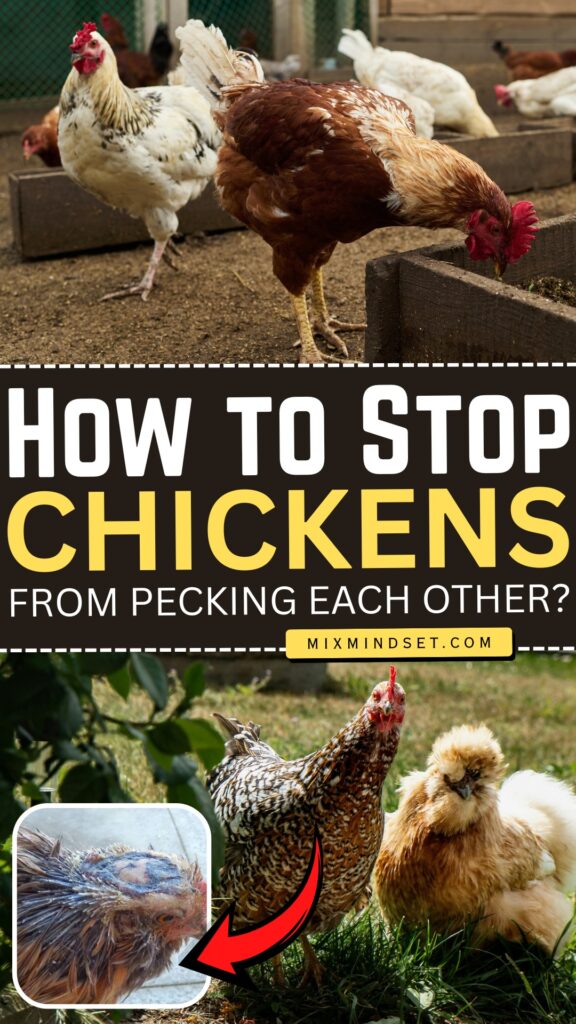
The first time I saw one of my hens with a bloody patch on her back, I panicked. I had no idea why my chickens were suddenly attacking each other. I separated the injured bird, cleaned her wound, and started researching.
It turned out my flock was overcrowded, bored, and a bit stressed. Once I fixed those things, the pecking stopped. Here is what I learned so you can stop it before it becomes a serious problem.
Why Do Chickens Peck Each Other?
Chickens peck each other for many reasons. Some pecking is normal, but when it turns into bullying or feather pulling, you need to act fast.
Normal Pecking Order
Chickens have a social hierarchy called the “pecking order.” This is how they figure out who is boss. You will see some chasing, light pecking, and jostling. This is normal and usually settles within a day or two.
Problem Pecking (Bullying and Feather Pecking)
When pecking becomes constant or causes injury, it is a problem. Chickens can become bullies and attack specific birds.
They may also start feather pecking, which is when they pull out feathers from other birds. This can lead to serious wounds and even cannibalism.
What Causes Problem Pecking?
How to Stop Chickens From Pecking Each Other
Here are the most effective ways to stop pecking and bullying in your flock.
1. Give Them More Space
Overcrowding is the number one cause of pecking. When chickens are packed together, they get stressed and start fighting.
Space requirements:
- Inside the coop: At least 4 square feet per bird is recommended.
- Outdoor run: At least 8 to 10 square feet per bird.
What to do:
- If your coop is too small, build a bigger one or reduce your flock size.
- Add more roosts. Each bird needs about 6 inches of perch space.
- Make sure there is enough space for lower-ranking birds to escape bullies.
My personal experience: I had six hens in a coop that was really only big enough for four. The pecking was constant. I built a larger run, and the bullying stopped almost immediately. It was like night and day.
2. Keep Them Busy (Prevent Boredom)
Bored chickens find trouble. They need things to do to stay out of mischief.
Enrichment ideas:
3. Fix Their Diet
A poor diet can cause chickens to peck feathers. Feathers are made of protein. If chickens are not getting enough protein in their feed, they may start eating feathers.
What to feed:
- Use a high-quality layer feed with at least 16% protein.
- If pecking is a problem, switch to a higher protein feed (20-24%) temporarily.
- Provide oyster shells for calcium and grit for digestion.
- Make sure feeders are always full. Shortages can cause fighting.
4. Manage Light Levels
Chickens are sensitive to light. Too much light or light that is too bright can make them agitated.
Light rules:
- Provide no more than 16 hours of light per day.
- Use low-wattage bulbs (40 watts or less) to avoid bright light.
- Do not use heat lamps unless absolutely necessary.
- Make sure nesting boxes are not brightly lit.
5. Reduce Heat Stress
Hot weather can make chickens irritable.
How to cool them down:
- Provide plenty of fresh, cool water at all times.
- Add ice cubes to the water on very hot days.
- Ensure good ventilation in the coop.
- Provide shade in the run.
6. Separate the Bully
Sometimes you have one or two chickens that are the main troublemakers.
What to do:
- Put the bully in a time-out. Separate her for a few days in a pen where she can still see the flock.
- When you reintroduce her, watch closely. If she starts bullying again, you may need to separate her for longer.
- If a chicken is relentlessly aggressive, you may need to rehome or cull her.
7. Use Pinless Peepers
Pinless peepers are small plastic devices that clip onto a chicken’s beak. They block the chicken’s forward vision so it cannot see its target to peck.
How to use them:
- Only put them on the bully birds, not the victims.
- They come with a tool to apply them easily.
- Chickens can still eat, drink, and see normally. They just cannot peck directly forward.
8. Use Anti-Pecking Spray
There are commercial sprays that taste bad to chickens. When you spray them on a bird’s feathers, the bully takes a taste and stops pecking.
Natural options:
- Look for sprays with natural ingredients like tea tree oil, herbal extracts, and essential oils.
- Some sprays also have antibacterial properties to help heal wounds.
My experience: I tried an anti-pecking spray on a hen that was getting picked on. The bullies took one peck, made a funny face, and left her alone. It worked surprisingly well.
How to Treat an Injured Chicken
If a chicken has been pecked and is bleeding, you need to act fast. Chickens are attracted to the color red and will peck at wounds.
Step 1: Remove the injured bird. Take her out of the flock immediately and put her in a quiet, safe place.
Step 2: Clean the wound. Use lukewarm water to gently clean away dirt and blood.
Step 3: Treat the wound. Apply a poultry wound spray or ointment. Look for products that are non-toxic and promote healing.
Step 4: Keep her separate. Let her heal completely before reintroducing her to the flock. This can take a few days to a week.
Step 5: Reintroduce carefully. When you put her back, watch for signs of bullying. You may need to use a wire barrier or separate pen at first.
Quick Reference Table
| Problem | Immediate Action | Long-Term Fix |
|---|---|---|
| Bloody wound | Remove injured bird. Clean and treat wound. | Fix the cause (space, boredom, diet). |
| Bully chicken | Separate bully for a few days. Use pinless peepers. | Rehome if persistent. |
| Overcrowding | Reduce flock size or expand coop/run. | Provide 4 sq ft inside and 8-10 sq ft outside per bird. |
| Boredom | Add enrichment: scratch grains, hay bales, dust bath. | Let them free-range if possible. |
| Poor diet | Switch to higher protein feed (16-20%). | Keep feeders full. |
| Too much light | Reduce light to 16 hours per day. Use low-wattage bulbs. | Avoid heat lamps. |
| Heat stress | Provide cool water and shade. Add ice cubes. | Ensure good ventilation. |
My Personal Pecking Story
I will never forget the day I found one of my hens bleeding from a wound on her back. She was at the bottom of the pecking order, and the other hens had been picking on her for weeks. I felt terrible. I had noticed the pecking but thought it was just normal “pecking order” stuff. I was wrong.
I separated her, cleaned her wound, and treated her with a poultry wound spray. I kept her in a dog crate inside the run for a week so she could heal and still see the other chickens. While she was recovering, I expanded the run and added more enrichment. I also switched to a higher protein feed.
When I reintroduced her, the bullying had stopped. The extra space and distractions had calmed everyone down. That experience taught me to take pecking seriously from the start.
The Bottom Line
Chickens peck each other for many reasons: overcrowding, boredom, poor diet, too much light, heat stress, and lack of resources. Most pecking problems can be solved by giving your chickens more space, more things to do, and better food.
If you see a chicken being bullied, act fast. Separate the injured bird, treat its wounds, and fix the underlying cause. Use pinless peepers or anti-pecking spray on the bullies if needed. With a little effort, you can have a peaceful, happy flock.
I learned the hard way that pecking is not something to ignore. Now my flock is calm, and I know exactly what to do if problems arise. You can do this too. Your chickens will thank you.