Chickens Stopped Laying? Here’s Exactly Why (And How to Fix It)
Is your flock suddenly empty of eggs? Discover the most common reasons why chickens stop laying and practical, natural solutions to get them back in production. #BackyardChickens #ChickenCare #EggLaying #Homesteading #PoultryTips
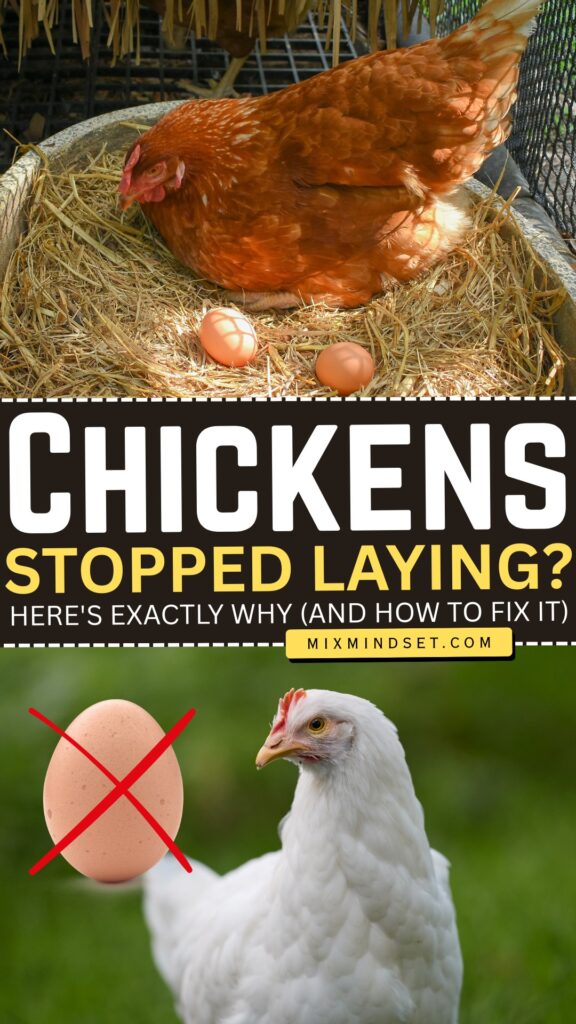
I still remember the panic I felt when my reliable flock of Rhode Island Reds suddenly stopped laying. One week, I was collecting a dozen eggs a day; the next, I was lucky to find one.
I checked for predators, changed their feed, and even apologized to them—nothing worked. After a lot of research and some trial and error, I discovered that chickens stop laying for several very specific reasons.
The good news is that most of these issues are easy to fix. Here is everything I learned.
The Simple Rule: Don’t Panic, Play Detective
When your chickens stop laying, your first instinct might be to worry. But in most cases, there is a perfectly natural explanation, and the situation will resolve with time and proper care. The most important thing is to ensure your chickens are healthy, comfortable, and receiving proper nutrition.
Think of yourself as a chicken detective. Your job is to look at the clues—the season, the birds’ behavior, their diet, and their environment—and figure out which of the following reasons is the culprit.
The 9 Most Common Reasons Chickens Stop Laying (And How to Fix Each One)
1. Not Enough Daylight (The Winter Slump)
This is the number one reason hens stop laying, especially in winter. Chickens need about 14 to 16 hours of light per day to sustain strong egg production. When the days get shorter in fall and winter, their bodies naturally slow down egg production.
How to spot it: It is fall or winter, and your hens are otherwise healthy and active.
How to fix it: You can install artificial lighting in the coop. A simple bulb on a timer for a few extra hours in the morning can trick them into laying again. The light just needs to be bright enough to read a newspaper.
My advice: I use a cheap timer on a low-wattage LED bulb. I set it to come on at 5 AM and turn off at sunrise. It gives my hens the extra hours they need without keeping them up all night. Do not overdo the light—hens need some darkness to rest.
2. Poor Diet or Not Enough Protein
Chickens need a balanced diet to produce eggs. They require about 20 grams of protein per day to keep laying. If you switch to a low-protein feed or give too many treats, egg production will drop dramatically.
How to spot it: You recently changed their feed, or you have been giving them too many table scraps and scratch grains.
How to fix it: Feed a high-quality layer feed containing at least 16% to 18% protein. Limit treats to no more than 10% of their diet; the other 90% should be layer feed. Provide calcium supplements like crushed oyster shells for strong eggshells. And never let them run out of fresh, clean water—even a few hours without water can stop egg production for days.
My experience: One year, I switched to a cheaper feed to save money. Within a week, my egg count dropped from 9 to 4 eggs a day. I switched back to quality layer feed, and within days, the eggs were back.
3. Molting (The Annual Feather Shed)
Molting is a natural process where chickens shed old feathers and grow new ones. It usually happens in the fall. Growing new feathers requires so much energy and protein that most hens stop laying temporarily.
How to spot it: Your hens are losing feathers, and you see bare patches or pin feathers (new feathers coming in). They may look a bit ragged.
How to fix it: Increase the protein in their diet with treats like mealworms, black oil sunflower seeds, or even scrambled eggs. Be patient—laying should resume once new feathers have grown in, usually within a few weeks.
My advice: I always switch to a higher protein feed during molting season. It helps my hens grow their new feathers faster and get back to laying sooner.
4. Broodiness (The Determined Mother)
Some hens have a strong instinct to sit on eggs and hatch chicks. When a hen goes “broody,” she stops laying and spends nearly all her time sitting on the nest.
How to spot it: A hen that sits stubbornly on the nest, puffs up her feathers when approached, and makes warning sounds. She may only leave the nest once or twice a day to eat and drink.
How to fix it: If you do not want chicks, you need to “break” her broodiness. One effective method is “broody jail”—place her in a wire-bottomed dog crate with food and water for 3 to 7 days. You can also remove her from the nest regularly and block access to the nesting boxes.
5. Stress
Chickens are sensitive creatures. Stress from predators, new flock members, moving the coop, loud noises, or temperature extremes can cause them to stop laying.
How to spot it: There has been a recent change or disturbance in their environment. They may seem nervous or agitated.
How to fix it: Identify and remove the stressor. If it is a predator threat, secure the coop. If you added new chickens, give them time to establish a new pecking order. Keep their environment as calm and consistent as possible. Herbs like lemon balm, chamomile, and lavender can be given fresh or dried as gentle stress relievers.
6. Age
Like all living things, hens age. Most hens begin laying around 5 to 6 months of age, peak in their first year, and gradually decrease production as they get older. By 2 to 3 years, production significantly declines, and by 4 to 5 years, many hens lay only occasionally.
How to spot it: Your hen is over 2 years old, and her egg production has been slowly declining over time.
How to fix it: Unfortunately, there is no solution for aging. If egg production is important to you, consider adding younger birds to your flock every couple of years. Otherwise, enjoy your older hens as pets and let them live out their lives naturally.
7. Illness or Disease
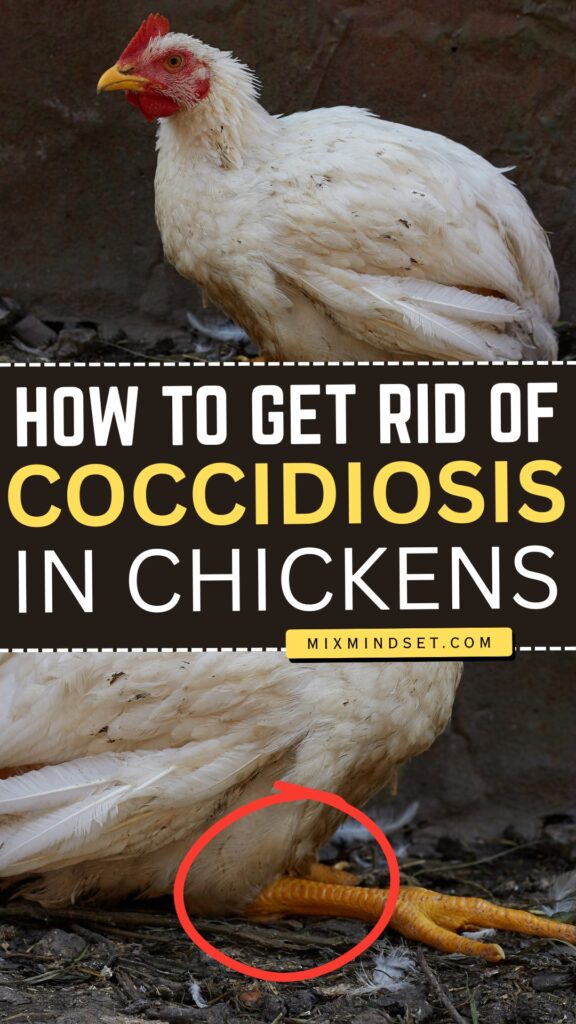
When hens fall ill, their bodies prioritize healing over egg-laying. Viral infections like infectious bronchitis can cause a drop in egg production.
How to spot it: Your hen looks sick—she may be lethargic, have reduced appetite, respiratory issues, or other signs of illness.
How to fix it: Consult a vet or experienced poultry keeper. Provide supportive care including a stress-free environment, nutritious feed, and clean water. Isolate sick birds from the rest of the flock to prevent spreading disease.
8. Uncomfortable Nesting Boxes
If the nesting boxes are not comfortable or safe, hens may refuse to lay there.
How to spot it: Hens are avoiding the nesting boxes, or you find eggs laid in other places.
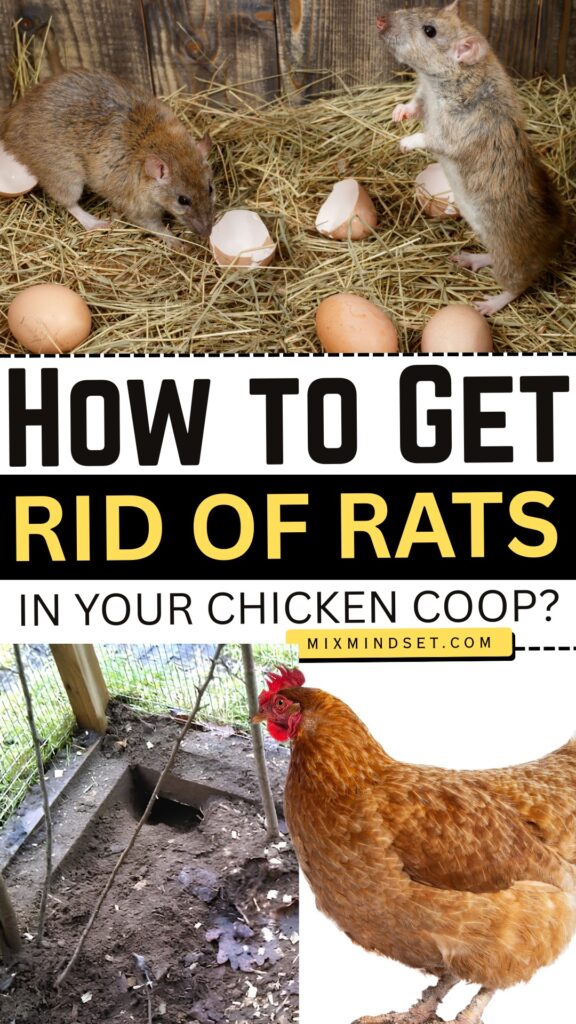
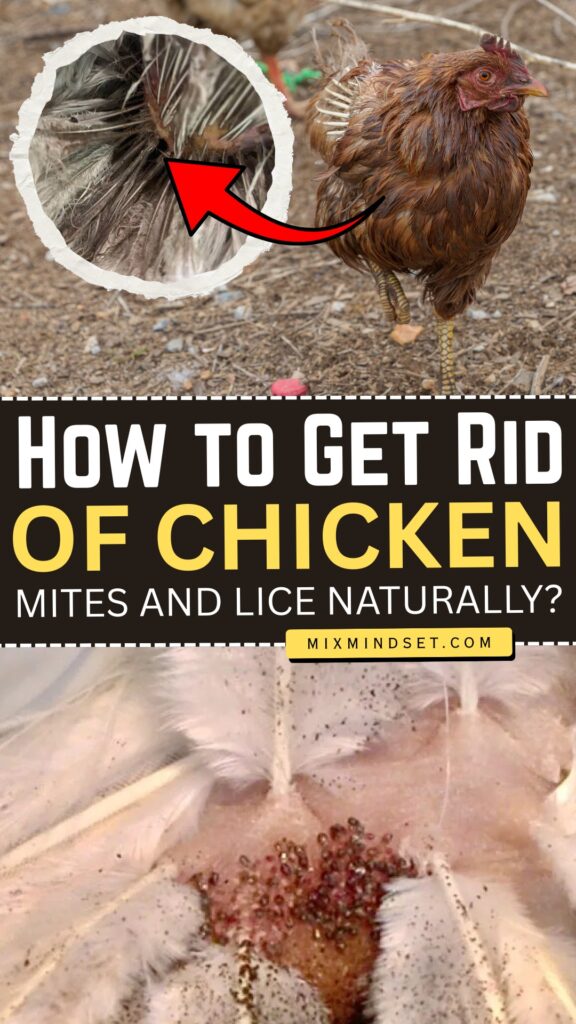
How to fix it: Make sure each nesting box has soft, dry bedding (straw or wood shavings). Place them in a quiet, low-traffic area. Keep them clean and free of pests.
9. Egg Eating
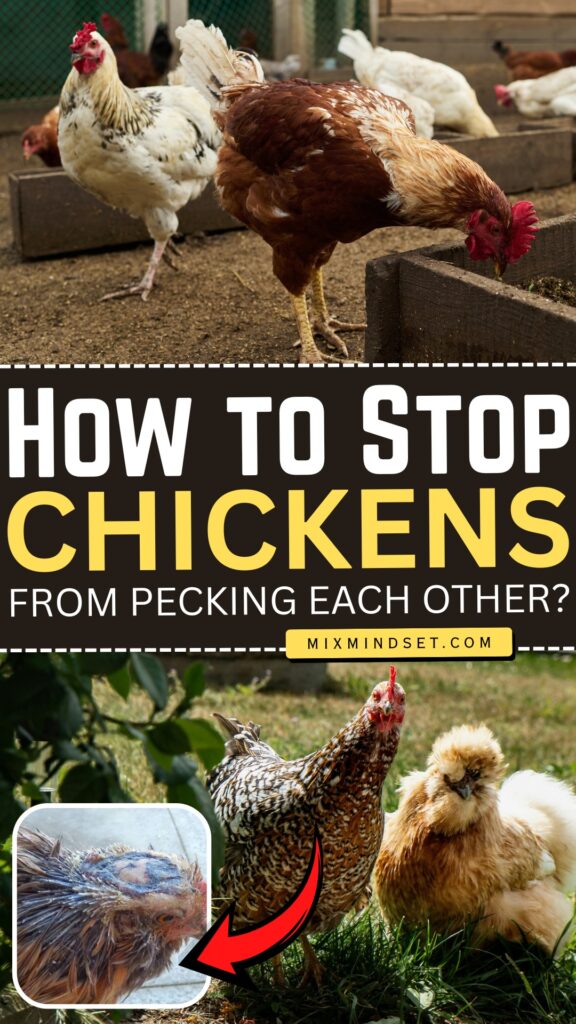
Some hens develop a habit of eating their own eggs. This is frustrating because you will not find any eggs, and the habit can spread to other hens.
How to spot it: You find broken eggshells in the nesting boxes, or you see a hen pecking at eggs.
How to fix it: Collect eggs as often as possible. Provide plenty of calcium in their diet—sometimes hens eat eggs because they are looking for calcium. Make sure nesting boxes are dark and comfortable so eggs are less visible.
Quick Reference Table: Diagnosis and Solutions
| Problem | What to Look For | Quick Fix |
|---|---|---|
| Short daylight | Winter months | Add artificial light to 14-16 hours |
| Poor diet | Recent feed change, too many treats | Switch to 16-18% protein layer feed, limit treats |
| Molting | Feather loss, bare patches | Increase protein (mealworms, sunflower seeds) |
| Broodiness | Hen sitting on nest, puffed up | “Broody jail” in wire crate for 3-7 days |
| Stress | Recent disturbance, nervous behavior | Remove stressor, keep environment calm |
| Age | Hen over 2 years old | Add younger hens to flock |
| Illness | Lethargy, reduced appetite, respiratory issues | Consult vet, isolate sick bird, provide supportive care |
| Uncomfortable nest boxes | Hens avoiding boxes | Add soft bedding, place in quiet area |
| Egg eating | Broken shells in nest box | Collect eggs often, provide calcium |
My Personal Routine for Keeping Hens Laying
Here is what I actually do to keep my flock productive. You can copy this.
Every day:
- I collect eggs at least twice a day.
- I check that waterers are full and clean.
- I look for any signs of stress or illness.
Every week:
- I clean the nesting boxes and add fresh bedding.
- I check the feeder and make sure they have enough layer feed.
- I give them a handful of mealworms or sunflower seeds as a treat.
Every season:
- In fall, I prepare for molting by switching to a higher protein feed.
- In winter, I set up a timer for the coop light.
- In summer, I make sure they have plenty of shade and cool water.
Since I started this routine, my hens have been reliable layers. When they do stop, I know exactly what to check.
The Bottom Line
Chickens stop laying for many reasons, but most are easy to fix. Short daylight, poor diet, molting, broodiness, stress, age, illness, uncomfortable nests, and egg eating are the most common culprits. The key is to observe your flock, identify the cause, and take action.
I used to panic every time my egg count dropped. Now I know that most of the time, it is just a natural part of chicken keeping. With a little detective work and these simple fixes, your hens will be back to laying in no time.
Your flock is counting on you. Go check on them and see what is going on.