Indoors Basil Plant: Quick Growth Tips
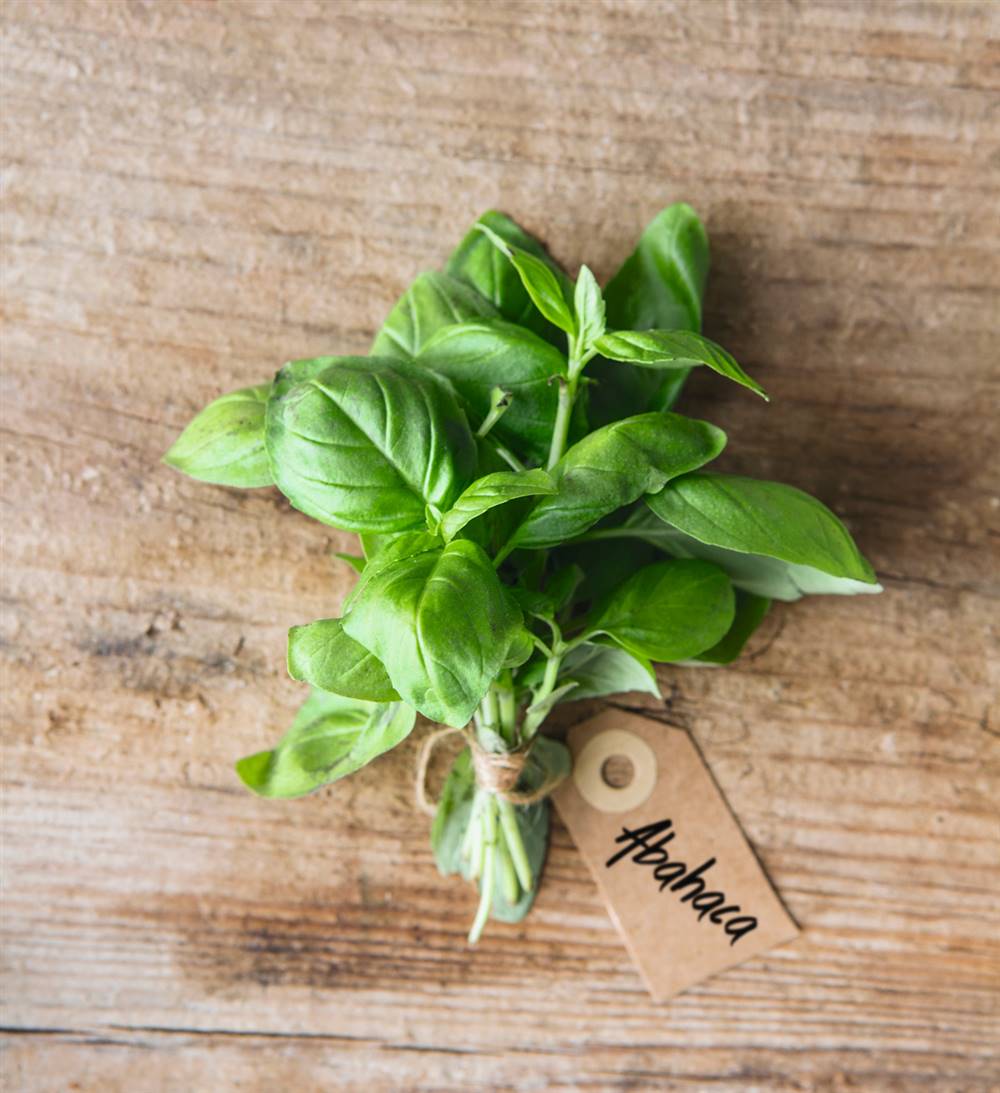
Basil (Ocimum basilicum ) is an annual —or seasonal—plant native to India, Persia, Iran, Pakistan, and other tropical regions of Asia. It is one of the most popular aromatic herbs in our kitchens, as well as a wonderful seasoning for various dishes.
For this reason, common basil and Genovese basil (commonly used in pasta recipes) are especially familiar to us. However, there are other, less well-known varieties, such as purple basil, red basil, and cinnamon basil.
The main reason why you should always have a basil plant on hand is because of its numerous properties, which we detail below.
And by the way, we think you might find this interesting… Each plant has a special meaning, whether it’s to attract luck, love, or positive energy.
What is the basil plant and what is it used for?
- Scent your home. Basil provides a fresh fragrance that is enhanced when you spray it and move its leaves. This fragrance, however, largely fades as the plant begins to dry out.
- Basil adds flavor to your dishes. It’s an excellent seasoning frequently used in Mediterranean, Vietnamese, and Thai cuisines. Therefore, having a basil plant in your kitchen will allow you to give a unique flavor to salads, pasta dishes, and soups.
- It’s a mosquito-repellent plant. It repels whiteflies and protects other crops from aphid infestations. For this reason, it’s often placed among tomatoes and/or peppers in some urban gardens to keep them safe. Likewise, having pots of basil on your windowsills can be a great mosquito-repellent alternative during the summer months.
- It attracts positive energy. And that’s because plants and Feng Shui have a lot in common…
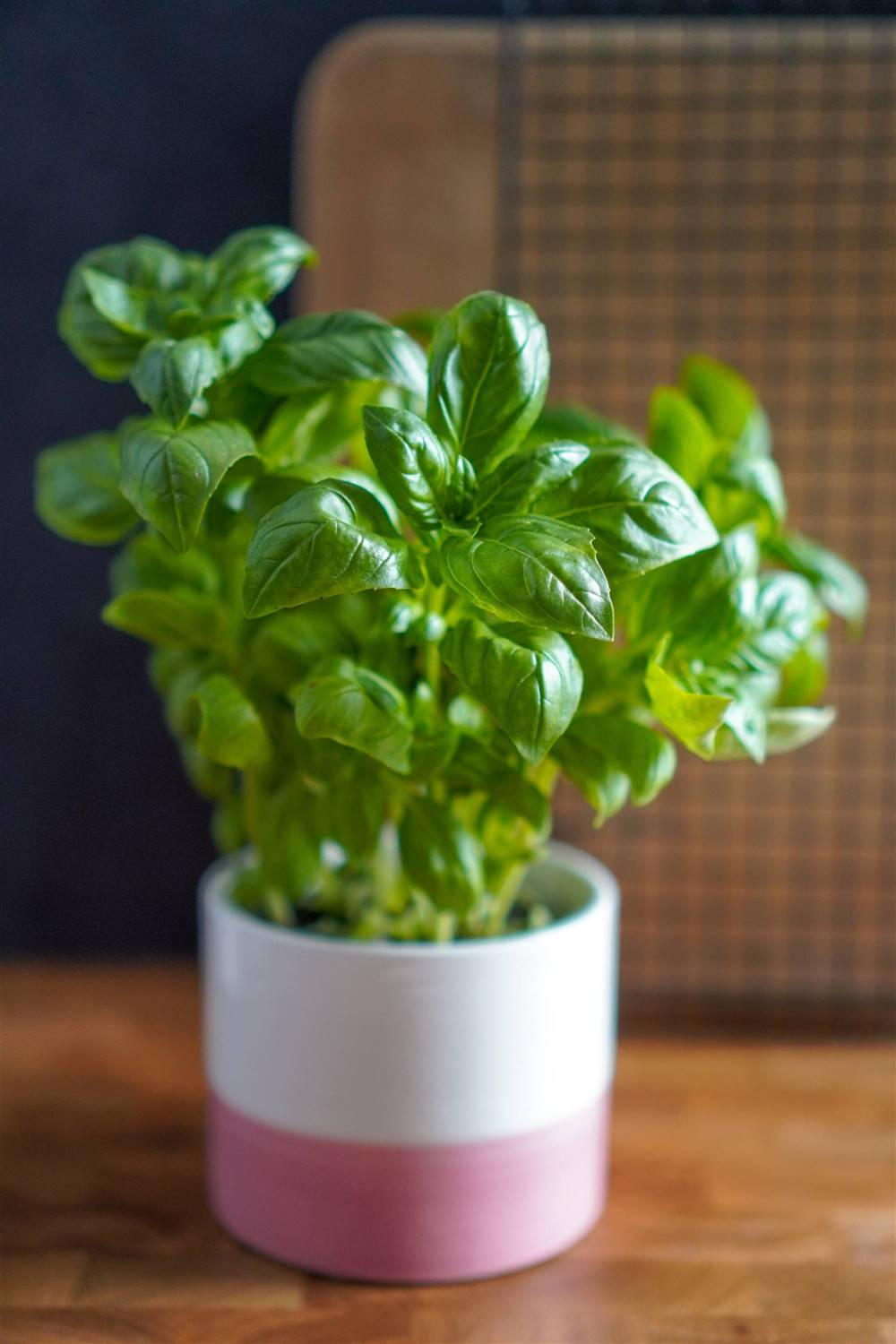
- Decorate. Placing a pot of basil on the windowsill, on the balcony, or even in the kitchen will give your home a natural touch.
What does basil cure: its properties?
- Basil aids digestion.
- It is a diuretic.
- It calms migraines.
- It soothes the throat.
- It is a muscle relaxant (when used in essential oils).
- Strengthens hair (when used in shampoos).
- And it is attributed with the property of stimulating the production of breast milk in infants.
When should you plant basil?
Basil is considered a great reproducer, although for this it must have the optimal conditions for its growth (enough water, light and soil) and the ideal time to cultivate it must be respected, that is, at the end of winter and the beginning of spring.
And by the way, this might interest you… If you want to enjoy your home without the annoying presence of flies and mosquitoes, there are plants that can help you naturally.
The care you need
When cultivating a basil plant, you must be aware that it is a seasonal plant and, therefore, once its cycle is complete, it will dry out and die. In the specific case of basil, this happens in early autumn, coinciding with the drop in temperatures.
Where to place the basil plant
For basil to develop to its full splendor, it must be placed in a location exposed to daylight, in full sun.
Since this herb is sensitive to cold and wind, avoid planting it in drafty locations, as these conditions are detrimental to its health. Do not expose it to frost, and protect it in winter with mulch.
Natural light, a key factor
Basil needs plenty of light. In fact, it needs at least six hours of direct sunlight. Therefore, a basil plant can thrive in a garden, on a patio, or indoors with ample natural light. However, the plant tolerates partial shade well, especially in very warm climates, although it will grow less.
The substrate, rich in nutrients
This plant requires soil rich in organic matter such as humus. It should be kept consistently moist.
The watering that basil needs
Basil needs frequent but moderate watering. The key to keeping this plant healthy is maintaining moist soil without overwatering. Ideally, water it daily in summer (even a couple of times a day, with small amounts of water) and ensure good drainage by creating a small hole in the bottom of the pot. During the colder months, reduce watering. Two or three waterings a week should be sufficient.
In the garden soil or in a pot?
Both options are suitable, as this plant grows very well in containers and also when planted directly in the garden. The important thing is that the substrate it grows in is fertile, rich in nutrients, and has good drainage.
If you prefer to grow it in a pot, choose a terracotta pot, as it’s a more breathable material. Don’t forget to make drainage holes so the soil doesn’t become waterlogged and the plant doesn’t suffer. Remember that potted plants need a little more water, so you’ll need to adjust your watering frequency. Keep the soil moist but not soggy, and you’ll be fine.
The good thing about growing basil in pots is that when the cold weather arrives, you can move it indoors to prevent it from suffering from frost.
How to propagate basil?
There are three ways to obtain new basil plants: through seeds, which can be planted in pots or seed trays, and through cuttings.
1. Plant the basil in a pot
For this, ideally it should remain at a temperature between 15 and 25 degrees, and have fertile, moist, and aerated soil.
Step by step:
- Plant several seeds in the pot.
- Leave enough space between them.
- Wait for the first shoots to appear and remove the less vigorous ones.
2. Plant the basil in seed trays
It is the most recommended option according to experts.
Step by step:
- Put a moist vegetable mulch in the seed trays.
- Place one or two seeds in each hole, then cover them with substrate (without compacting them).
- Cover the entire seed tray with plastic wrap. This will help maintain the necessary humidity. Ideally, place the seed tray near a window (so it gets sunlight) and mist it with water once or twice a day.
- Remove the film when the first leaves begin to emerge.
- Transplant to a pot when the shoots have reached several centimeters.
3. Planting basil from cuttings
To propagate basil from cuttings, which is best done in spring, the first step is to obtain a cutting, that is, a branch taken from the main stem of another basil plant. Cut a stem about 10 cm long. Then:
- Place the cutting in a container of water or a natural rooting hormone (made, for example, with lentils). If you put it in water, you will need to change the water every two or three days.
- Wait for the roots to develop. This will take about 10 days. Wait until the roots are about 4 cm long.
- It is transplanted to its final pot, or to the garden soil.
How to prune basil?
To ensure proper basil growth, it’s recommended to pinch back the stems and remove weeds. Cutting the stems below the flower bud encourages the plant to regrow and continue growing. If left to flower without pruning, the plant will dry out and eventually die.
Therefore, this action should be repeated as often as possible to prolong its life cycle. However, as we’ve already mentioned, the plant will die at the beginning of autumn. So, ideally, it should be allowed to flower in mid-August, and the flowers should be cut once they have reached the flower spike. This way, the seeds (found in the flower) can be collected, and a new basil plant can be planted between the end of winter and the beginning of spring.
Uses of basil in cooking
Basil is a perfect seasoning for many recipes. It’s a key ingredient in Italian cuisine, where it’s used in iconic dishes like pesto sauce. Basil adds a fresh and aromatic touch to drinks, creams, soups, rice dishes, pasta, meat, fish, pizzas, and more.