How to Clean Cutting Boards?
A clean cutting board is essential for a healthy kitchen. This guide covers simple, natural methods to clean and sanitize your boards using lemon, salt, vinegar, and more. #KitchenCleaning #CuttingBoardCare #NaturalCleaning #FoodSafety #HomeHacks
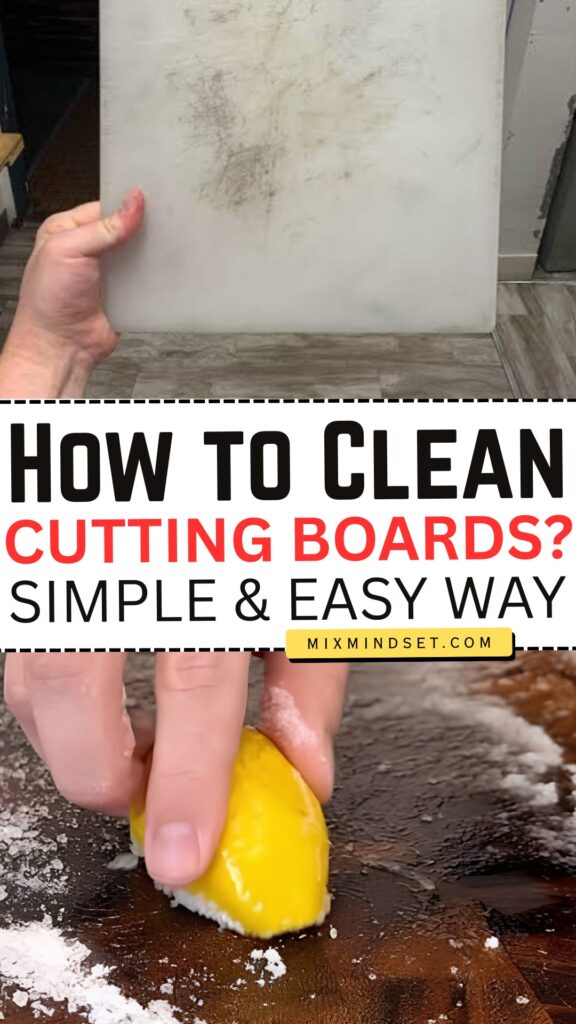
I used to just rinse my cutting boards with soap and water and call it done. Then I learned that even after washing, cutting boards can harbor bacteria deep in the scratches.
A friend who works in food safety showed me how to really clean a cutting board, and it changed my routine. Now I know the simple tricks that actually work.
Two Types of Cutting Boards (Different Care)
Before you start cleaning, you need to know what your board is made of. Wood and plastic need different care.
| Board Type | Care |
|---|---|
| Wood cutting boards | Require more careful cleaning and regular oiling to prevent cracking |
| Plastic cutting boards | Can handle harsher cleaners and can go in the dishwasher |
What You Will Need
| Item | Purpose |
|---|---|
| Coarse salt | Acts as a gentle abrasive to scrub stains |
| Lemon (cut in half) | Natural bleach and deodorizer |
| White vinegar | Kills bacteria and neutralizes odors |
| Baking soda | Lifts stains and neutralizes odors |
| Hydrogen peroxide (3%) | Sanitizes and removes stubborn stains |
| Dish soap | Basic cleaning |
| Mineral oil or cutting board oil | Conditions and protects wood boards |
Method 1: Daily Cleaning (After Every Use)
This is what I do every time I use my cutting board.
Step-by-step:
- Wash the board with hot water and dish soap immediately after use. Do not let it sit.
- Use a sponge or brush to scrub both sides, paying extra attention to knife marks and scratches.
- Rinse thoroughly with hot water.
- Pat dry with a clean towel and let it air dry standing up. Do not leave it flat on the counter. Moisture trapped underneath can lead to mold.
Important: Never soak a wooden cutting board in water. Wood is porous and will absorb water, leading to cracking, warping, and splitting.
Method 2: Lemon and Salt Scrub (For Stains and Odors)
This is my favorite method. It is simple, natural, and leaves your board smelling fresh.
What you need:
- Coarse salt (like kosher salt or sea salt)
- ½ lemon
Step-by-step:
- Sprinkle a generous layer of coarse salt over the entire surface of the board.
- Take the cut half of the lemon and use it to scrub the salt into the board. Squeeze the lemon as you scrub so the juice mixes with the salt.
- Let the mixture sit for 5 to 10 minutes. The lemon juice acts as a natural bleach and the salt lifts stains and odors.
- Use a spatula or scraper to push the salt and juice residue off the board.
- Rinse with hot water and dry thoroughly with a clean towel.
- For stubborn stains, repeat the process.
My personal experience: I use the lemon and salt method every week on my wooden boards. It removes the stains from garlic, tomatoes, and berries. It leaves the board smelling fresh and clean without any chemical smell.
Method 3: Baking Soda Paste (For Tough Stains)
For stubborn stains that will not budge, baking soda works wonders.
Step-by-step:
- Mix baking soda with a little water to form a thick paste.
- Apply the paste to the stained areas.
- Let it sit for 10 to 15 minutes. The baking soda will draw out the stain.
- Scrub gently with a sponge or brush.
- Rinse with hot water and dry thoroughly.
Tip: For very tough stains, mix baking soda with lemon juice instead of water. The fizzing reaction helps lift the stain.
Method 4: Vinegar Soak (For Sanitizing)
White vinegar is a natural disinfectant that kills bacteria.
Step-by-step:
- Mix equal parts white vinegar and water in a spray bottle.
- Spray the vinegar solution generously over the board.
- Let it sit for a few minutes.
- Wipe clean with a damp cloth.
- Rinse with hot water and dry thoroughly.
For deeper cleaning: You can also wipe the board with undiluted white vinegar for a stronger disinfectant.
Method 5: Hydrogen Peroxide (For Stubborn Stains and Sanitizing)
Hydrogen peroxide is an effective, natural sanitizer that breaks down organic stains.
Step-by-step:
- Pour 3% hydrogen peroxide directly onto the board.
- Let it sit for 5 to 10 minutes. You will see it fizz as it breaks down bacteria and stains.
- Rinse thoroughly with hot water and dry.
Method 6: The Deep Clean (Sanitizing)
This is the method I use for a thorough clean about once a month.
Step 1: Sprinkle a generous amount of coarse salt over the board.
Step 2: Cut a lemon in half and squeeze the juice over the salt. Scrub the board with the cut side of the lemon.
Step 3: Let the mixture sit for 5 minutes.
Step 4: Scrape off the salt and lemon residue.
Step 5: Spray the board with white vinegar or hydrogen peroxide and let it sit for 2 to 3 minutes.
Step 6: Rinse thoroughly with hot water.
Step 7: Dry completely.
How to Clean Different Types of Cutting Boards
Wood Cutting Boards
- Do not soak. Wood absorbs water and can crack or warp.
- Clean immediately. Wash with hot water and soap after each use.
- Sanitize weekly. Use the lemon and salt method or vinegar spray.
- Oil regularly. Apply food-grade mineral oil or cutting board oil once a month to keep the wood from drying and cracking. Apply a generous amount of oil, let it soak in for a few hours or overnight, and wipe off the excess.
Plastic Cutting Boards
- Can go in the dishwasher. The high heat sanitizes them.
- For tough stains: Use the baking soda paste or lemon and salt method.
- Replace when heavily scratched. Deep scratches can harbor bacteria. If your board has deep cuts and dark grooves, it is time for a new one.
Quick Reference Table: Which Method to Use
| Situation | Best Method | Wait Time |
|---|---|---|
| Daily cleaning | Hot water + dish soap | Immediate |
| Odor removal | Lemon + salt scrub | 5-10 minutes |
| Stains | Baking soda paste | 10-15 minutes |
| Sanitizing | White vinegar or hydrogen peroxide | 2-5 minutes |
| Deep clean | Lemon salt + vinegar or peroxide | 5-10 minutes |
| Wood conditioning | Mineral oil | A few hours |
Important Tips to Remember
- Do not soak wooden boards. Water will cause them to crack and warp.
- Do not use bleach. It can damage the board, especially wood.
- Wash both sides. Even if you only used one side, wash both to prevent warping.
- Let boards dry completely before storing them. Moisture can lead to bacteria growth.
- Store boards upright. This allows air to circulate and prevents moisture from getting trapped.
How to Prevent Stains and Odors
- Clean immediately after use. Do not let food sit on the board.
- Use separate boards for different foods. Keep one for raw meat and another for vegetables and fruits to prevent cross-contamination.
- Oil wooden boards regularly. A well-oiled board is less porous and more resistant to stains.
- Sanitize weekly. Even with regular washing, a monthly sanitizing treatment helps keep bacteria at bay.
My Personal Cutting Board Routine
Here is what I actually do in my own kitchen. You can copy this.
After every use:
- I wash my board with hot water and dish soap.
- I dry it immediately and stand it upright to air dry.
Every week:
- I use the lemon and salt method to remove stains and odors.
- I spray with white vinegar and let it sit for a few minutes, then rinse.
Once a month:
- I do a deep clean with the lemon salt scrub followed by hydrogen peroxide.
- For my wooden board, I apply mineral oil and let it soak in overnight.
Since I started this routine, my cutting boards have stayed clean, stain-free, and odor-free. They look almost new.
The Bottom Line
A clean cutting board is important for your health. You do not need harsh chemicals. Lemon, salt, vinegar, and baking soda are all you need. Clean after every use, sanitize weekly, and oil wooden boards regularly.
I used to think rinsing with soap was enough. Now I know better. Try these methods and keep your cutting boards safe and clean.