How to Clean Grease Off Painted Walls Easily?
Clean grease off painted walls easily using simple kitchen ingredients like dish soap, vinegar, and baking soda. This guide covers gentle methods that remove stubborn grease without damaging your paint. #CleaningHacks #KitchenCleaning #WallCleaning #DIYCleaner #HomeMaintenance
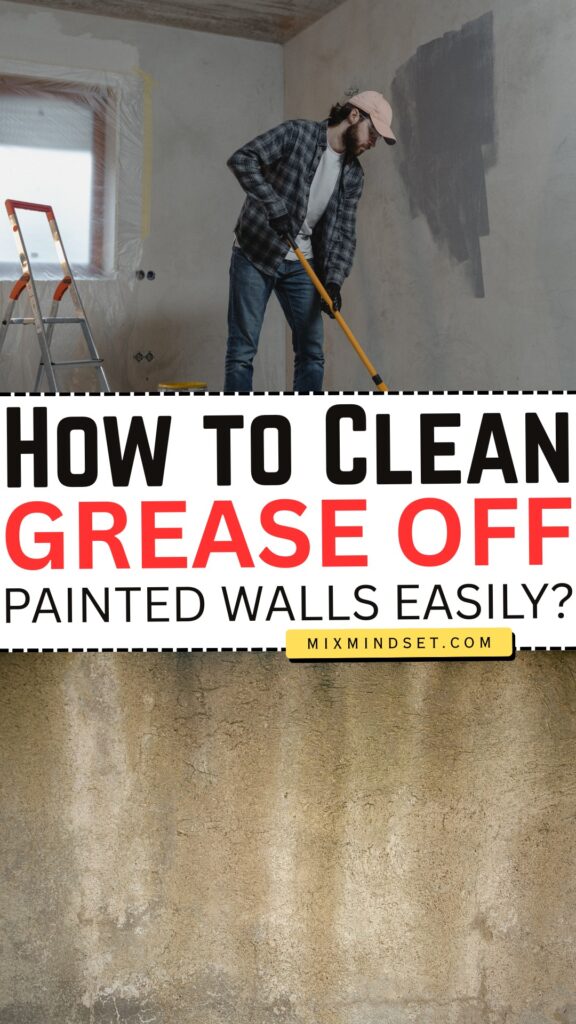
I used to think my kitchen walls were permanently stained. No matter how much I scrubbed, that sticky, greasy film near the stove just would not go away.
I tried harsh chemical sprays, but they left streaks and sometimes even dulled the paint. I was about to give up and repaint the entire kitchen. Then I discovered that the best grease-fighters were already sitting in my pantry: dish soap, vinegar, and baking soda.
Now I can clean greasy walls in minutes without damaging the paint. Let me show you exactly how.
Why Grease Sticks to Walls (And Why Scrubbing Alone Doesn’t Work)
When you cook, especially with oil, tiny grease particles float into the air and settle on nearby surfaces. Over time, this creates a sticky, yellowish film that traps dust and dirt. The problem is that grease is made of oils and fats, which are naturally water-repellent. Just wiping with water spreads the grease around instead of removing it. You need something that breaks down the grease first.
Painted walls are especially tricky. Scrubbing too hard can remove the paint along with the grease. Different paints also need different care. Flat or matte paint is less durable and requires gentle, nonabrasive cleaners. Semi-gloss paint is more durable and can handle more frequent cleaning. That is why using the right cleaner matters.
What You Will Need
Gather these simple supplies. You probably have most of them already.
| Item | Purpose |
|---|---|
| Mild dish soap (like Dawn) | Cuts through grease safely |
| White vinegar | Natural degreaser that breaks down oil |
| Baking soda | Gentle abrasive for stubborn buildup |
| Microfiber cloths | Traps grease without scratching paint |
| Soft sponge | For gentle scrubbing |
| Spray bottle | For vinegar solution |
| Warm water | For mixing cleaning solutions |
| Dry towel | For drying immediately |
Step 1: Know Your Paint Type
Before you start cleaning, figure out what kind of paint is on your walls. This helps you choose the right method and avoid damage.
| Paint Type | What to Use | What to Avoid |
|---|---|---|
| Flat or matte | Gentle dish soap and water only | Baking soda paste (too abrasive), harsh scrubbing |
| Eggshell or satin | Dish soap and water; vinegar solution for tougher spots | Heavy scrubbing |
| Semi-gloss or high-gloss | Dish soap and water; vinegar; baking soda paste for stubborn stains | Abrasive scrubbers (steel wool) |
The golden rule: Always test any cleaner on a small, hidden spot first—like behind a picture frame or inside a closet—to make sure it does not damage the paint.
Method 1: Dish Soap and Water (For Light Grease)
This is the safest place to start. Dish soap is designed to break down oils and fats, making it the perfect gentle cleaner for painted walls.
What you need:
- Warm water
- A few drops of mild dish soap (about 3-4 drops per cup of water)
- A microfiber cloth or soft sponge
Step-by-step:
- Fill a bowl with warm water and add a few drops of dish soap.
- Dip a microfiber cloth into the soapy water. Wring it out well so it is damp, not dripping wet.
- Wipe the wall gently, working from top to bottom in small sections.
- Rinse with a second cloth dampened with plain water to remove soap residue.
- Dry immediately with a clean, dry towel to prevent streaks and water damage.
My advice: This method removes about 80% of visible grease. It works well for weekly maintenance and light buildup near the stove.
Method 2: Vinegar and Water (For Tougher Grease)
White vinegar is a natural degreaser with acidic properties that break down grease without harming most painted surfaces.
What you need:
Step-by-step:
- Mix equal parts white vinegar and warm water in a spray bottle.
- Lightly spray the solution onto the greasy area. Do not soak the wall.
- Let it sit for a few minutes to break down the grease.
- Wipe gently with a microfiber cloth.
- Rinse with a clean, damp cloth and dry immediately.
Important: Vinegar works well on most painted surfaces, but always test on a hidden spot first. Do not use vinegar on unsealed or delicate surfaces.
Method 3: Baking Soda Paste (For Stubborn, Baked-On Grease)
For thick, sticky grease that has been there for months, baking soda is your best friend. It acts as a mild abrasive that lifts stubborn residue without scratching most paint finishes.
What you need:
Step-by-step:
- Mix baking soda with warm water to form a thick paste. It should be spreadable, not runny.
- Apply the paste to the greasy area with a soft sponge.
- Gently rub the paste into the stain using circular motions. Do not scrub hard—let the baking soda do the work.
- Let it sit for a few minutes if the grease is extra stubborn.
- Wipe clean with a damp cloth and dry immediately.
Important: Baking soda is abrasive, so use it sparingly on flat or matte paint. Reserve it for tougher stains on more durable paint finishes.
Quick Reference Table: Which Method to Use
| Situation | Best Method | Wait Time |
|---|---|---|
| Light, everyday grease | Dish soap and warm water | Immediate |
| Moderate grease buildup | Vinegar and water spray | A few minutes |
| Thick, baked-on grease | Baking soda paste | A few minutes |
| Flat or matte paint | Dish soap and water only | Immediate |
| Semi-gloss or high-gloss paint | Any method (test first) | Varies |
Important Tips to Remember
- Always test first. Try any cleaner on a small, hidden spot before using it on the whole wall.
- Do not scrub hard. Scrubbing too hard can strip the paint. Let the cleaner do the work.
- Do not mix baking soda and vinegar. They cancel each other out when mixed together, leaving you with an ineffective solution. Use them separately.
- Work from top to bottom. This prevents dirty water from dripping onto clean areas.
- Dry immediately. Standing water can damage paint and leave streaks.
- Use microfiber cloths. They trap grease instead of spreading it and reduce the risk of scratching the paint.
- Clean regularly. Wiping walls monthly prevents thick grease buildup.
My Personal Wall Cleaning Routine
Here is what I actually do in my kitchen. You can copy this.
Every week (5 minutes):
- I wipe down the walls near my stove with a damp microfiber cloth and a drop of dish soap.
- I dry them immediately with a clean towel.
Every month (15 minutes):
- I use the vinegar and water spray on any greasy spots.
- For stubborn buildup, I use the baking soda paste.
As needed:
- If I see a fresh grease splatter, I wipe it up right away before it dries.
Since I started this routine, my kitchen walls have stayed clean and grease-free. I no longer dread looking at the wall above my stove.
The Bottom Line
You do not need harsh chemicals to clean grease off painted walls. Dish soap and water work for light grease. Vinegar and water tackle tougher buildup. Baking soda paste handles stubborn, baked-on grease. The key is to use the right method for the job, clean gently, and always test on a hidden spot first.
I used to think my kitchen walls were permanently stained. Now I know they just needed the right care. Your walls can look clean again too. Try these methods and see the difference for yourself.