How to Get Rid of Ants in Your Vegetable Garden?
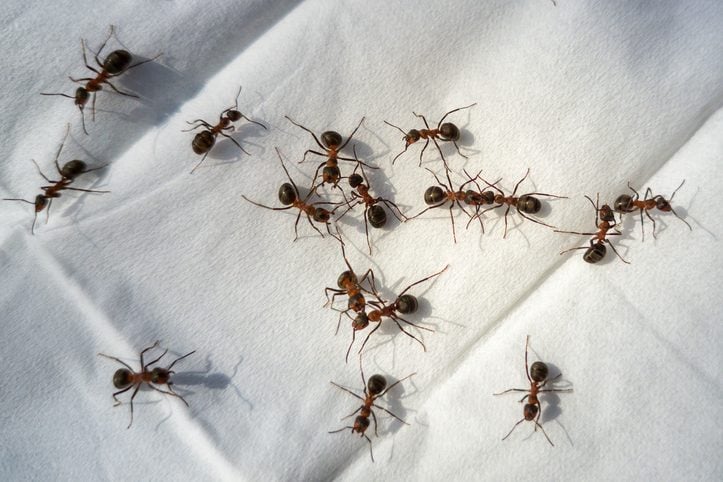
Ants are one of the most feared pests for most gardeners and gardening enthusiasts, as large numbers can be terribly damaging. That’s why many people look for the best home remedies to get rid of ants in the garden .
Before you start, remember that ants, regardless of species, are only harmful when they form a truly massive infestation and are accompanied by other pests and diseases, such as fungi or aphids. On their own, ants in the garden are not only harmless, but they also help to aerate and turn the soil, as well as add organic matter.
In this MixMindSet article, we will explain how to eliminate ants from the garden, focusing on those that are ecological and natural and leaving aside chemical pesticides that are harmful to the soil and the environment.
Table of Contents
How to get rid of ants with rice?
This is one of the most popular, eco-friendly, and easy-to-use methods. You only need a small plastic bottle and the cheapest white rice you can find, as long as it’s high in starch.
- Wear gloves when working with the rice so as not to leave your scent on it, ensuring the bait works well. If the ants in your garden are small, use a mortar and pestle to break the rice grains and make it easier for them to carry it away.
- Fill the bottle with rice and put some wooden clothespins or a stick in the nozzle, so that when you turn it upside down and stick it in the ground, it helps to keep it stable.
- Leave the nozzle slightly less than 1 cm from the surface and in a shaded area approximately 1 or 2 meters from the anthill, so that the grains fall as the ants carry them away.
- Once inside the anthill, the rice starch will absorb all the moisture, killing the fungi that sustain the ants. Furthermore, if this weren’t enough, when the rice ferments, the gases it releases will kill many of the ants, significantly reducing their population or even causing them to relocate.

How to get rid of ants in the garden with vinegar?
Getting rid of ants in the garden with vinegar is very simple.
- Mix 1 part vinegar with 10 parts water in a spray bottle or atomizer.
- Apply it directly to the affected plants, but not to the soil you intend to cultivate, as it makes the soil more acidic and can harm many plants. It is commonly used as a preventative measure, as it repels pests.
Diatomaceous earth to eliminate ants
Diatomaceous earth, as it’s known, is actually composed of fossilized microscopic algae. It’s a white powder used as a popular organic insecticide because it’s inert and non-toxic, killing insects through its drying properties and by breaking down their chitin.
It is applied directly by sprinkling it onto the soil, and it also provides an excellent source of minerals and other elements for the soil. It can also be applied to plant leaves to protect them from both pests and intense sunlight.

Cinnamon
Cinnamon is another of the most common products for eliminating ants, and it is also completely harmless to plants.
To use cinnamon to get rid of ants in the garden, simply sprinkle it along the trails the ants use to travel and at the entrance to their nest. It takes a while to work, but it will eventually force them to leave.

Lemon juice
A common remedy against those black ant infestations in the garden is lemon juice.
- Squeeze the juice of a lemon.
- Spray it on the areas of the anthill and its passageways.
- Another option is to cut the lemon in half or into slices and rub them on the trunks or areas we want to avoid.
Coffee grounds
The grounds left in the coffee pot after brewing coffee are also an excellent insect repellent, including against ants. To use coffee grounds against ants in your garden or vegetable patch, simply follow these instructions.
- Save the coffee grounds every time you make coffee.
- Sprinkle them in the area you want the ants to avoid.
- Place them near the entrance to their anthill as well, and they will eventually leave.

Water to eliminate an ant infestation
This is a rather drastic method that should only be applied when the anthill is located far enough away from any plants that we do not want to flood.
Prepare at least one liter of water and pour it very carefully in the area around the anthill. This will flood the area and dismantle the anthill, forcing the remaining ants to move to another area.
Yeast
Another very effective way to get rid of them is to prepare a mixture of baking powder, sugar, and water near the anthill. The sugar will attract them, and they will carry the mixture inside the anthill, where the sugar and yeast will ferment, causing the gases to decimate their numbers.
Garlic infusion
To use garlic infusion to get rid of ants in the garden, follow these instructions:
- Leave a head of garlic to soak for 48 hours.
- Then boil it in that same water for about 20 minutes.
- Strain the result and apply it with a sprayer to the areas to be treated, always first thing in the morning or last thing at night.

With a cork seedbed
The so-called “carpet method” involves placing a cork seed tray, or one made of a similar material, upside down in the area affected by the infestation. Water it two or three times a week, and the ants will quickly colonize it and move in.
After that, eliminating them there will be very easy with any of the previous methods or simply by relocating them to another place where they won’t be a nuisance.
Other methods for eliminating ants from the garden
There are many other common methods for combating these tireless insects, using different products and strategies. Here are some other home remedies for getting rid of ants in the garden :
- Copper cable to prevent them from passing through.
- Fruits of Paradise.
- Borax with condensed milk or sugar. Use with caution, especially if there are small children or animals in the garden, as boric acid or borax is toxic.
- Sodium bicarbonate.
- Vaseline to seal the entrance of the anthills.
- Cotton, tied with wire, prevents them from passing through where it is fixed.
- Rue, in infusion and powdered.
- The roots of the Tagetes patula plant kill or repel them, so you can cultivate it.
- Red cabbage or cauliflower near the leafcutter ant nest.
- Crushed peppers and sprayed with water on the affected areas.
- Dish soap, mixed in a small teaspoon per liter of water and sprayed on the plant.
- Potassium soap, diluted in water to 1 or 2% and sprayed onto the affected area.

:max_bytes(150000):strip_icc()/How-to-prevent-fruit-flies-FT-BLOG0724-7060ee343a7c4676af481177d290e20f.jpg "How to Get Rid of Fruit Flies and Gnats in the House?")