How to Bathe a Cat? Tips & Guide
Cats groom themselves often, meticulously cleaning every inch of their fur and skin. Grooming is a natural, innate behavior for them, and in most cases, it’s enough to keep them clean. So, is it necessary to bathe your cat? In most cases, no.
However, in certain circumstances, bathing your cat may be advisable, and that can seem like quite a challenge. Cats and water don’t have a reputation for getting along, so below we offer some advice on why, when, and how you should bathe your cat.
Table of Contents
When should I bathe my cat?
Most cats manage to remove most of the dirt and dust on their own, or with a little help from their owners, who brush or comb them. However, in some cases, a bath is necessary.
Cats that go outside
All cats that go outdoors occasionally roll in something really smelly, which you’ll want to get rid of as soon as possible. In these cases, a simple brushing might not be enough! If your cat frequents roads with parked cars, oil and grease may get on its fur.
Both oil and grease are difficult to remove with regular grooming, and it’s not advisable for your cat to ingest them, so it’s best to remove them with a good bath.
Older cats
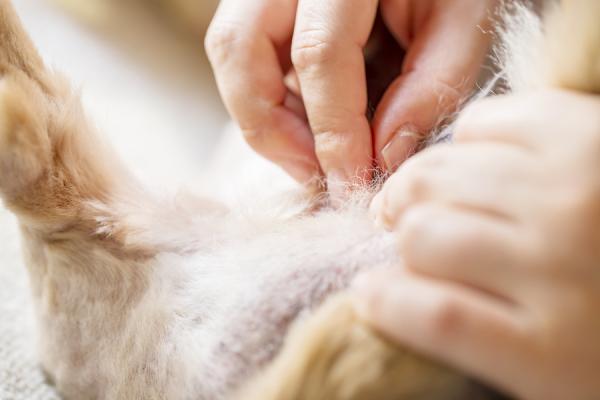
Some older cats or those with mobility limitations may find it difficult to groom their entire body. If their fur isn’t properly cared for, it can become matted and dirty. This is especially common on their hindquarters, causing discomfort and potentially leading to skin problems.
If your cat struggles to groom themselves, talk to your veterinarian, as certain conditions, such as arthritis, can contribute to this. Cats who don’t groom themselves will need assistance from their owners, which may include bathing and brushing.
Skin diseases
Some skin conditions may require topical treatment of the affected area with a medicated shampoo. Some cats tolerate this well, but others make it more difficult. Later in this article, you’ll find some tips on how to bathe your cat. If you find it too complicated, you can also consult your veterinarian.
Owners with allergies
Owning a cat can be quite a challenge if you suffer from allergies. Recent studies have shown that bathing cats regularly reduces the amount of allergens they shed, although consistency is key to truly lowering the amount of allergens in the environment.
Therefore, this option is only viable if your cat tolerates baths well. If you bathe your cat regularly, use a shampoo like DOUXO® S3 CARE to prevent their skin from drying out.
What should I use to bathe my cat?
The best option is to use a shampoo specifically formulated for pets, such as DOUXO® S3 CARE. It’s not recommended to use baby shampoo, as the pH of a baby’s skin is very different from that of a cat.
Always check the instructions to determine the correct amount of product to use. Make sure the water is lukewarm, neither cold nor hot.
Does my cat need a full bath?
It depends. If your cat has gotten something on it that could be harmful, it will most likely need a full bath. If you only need to remove a grease stain or clean a small area of skin with medicated shampoo, you can reduce the stress of a bath by thoroughly wetting the area to be cleaned, then applying the shampoo according to the instructions, and then rinsing it off.
Some cats tolerate having only a portion of their skin or fur washed better, and this is obviously less stressful for them than a full bath, so it’s an option worth considering.
This type of bath can also be a good option if you need to bathe your cat regularly, for example, to treat a skin condition, as too frequent full baths can dry out their skin.
So, how should I bathe my cat?
This is the million-dollar question. Here are some tips:
- You can use a regular bathtub or a small basin, with a non-slip mat.
- Fill it with lukewarm water, but don’t make it too deep. Cats tend to panic in deep water, as swimming isn’t natural for them. Try to keep the water level up to the tops of their legs.
- Use a pitcher to gently pour water until it is thoroughly wet.
- Cats really don’t like it when you wet their face with water: don’t pour water on this area of their body; use a cloth or a towel.
- Put the necessary amount of shampoo in your hands and rub it all over your pet’s body. Some pet shampoos don’t lather. If this happens, don’t use more shampoo than indicated; just gently rub the product in.
- If you need to wash their face, avoid the eyes and mouth.
- Medicated shampoos need to be left on for a certain amount of time before rinsing, so check the instructions beforehand.
- Use warm running water and a pitcher, or a very gentle shower spray to rinse out the shampoo.
- If your cat tolerates it, you can dry him with a towel. Hair dryers are usually too noisy and release air that’s too hot, so it’s best to gently rub him with a towel.
- Let him rest in a warm room. He’ll want to groom himself, so be sure to rinse the shampoo out thoroughly. Leave him alone for a while so he can calm down, as bath time is a somewhat stressful experience for most cats.
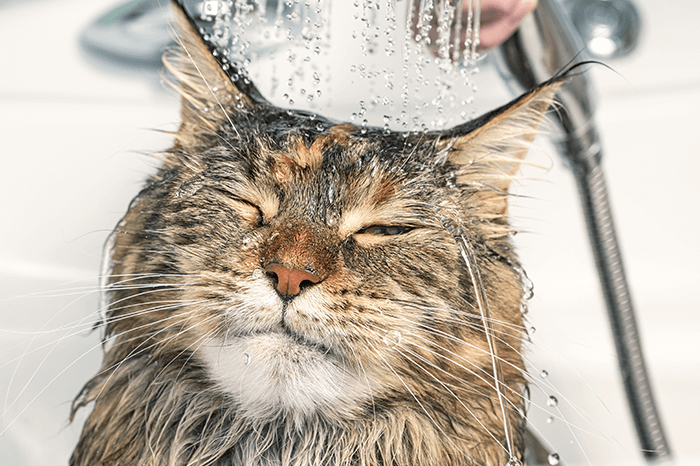
What can I do if my cat REALLY hates water?
If your cat goes outside and gets dirty, you can help by brushing it thoroughly with a fine-toothed comb. This also applies to cats that have difficulty grooming themselves. Most of the dirt and grime will disappear with a good brushing, as will any tangles in its fur. Remember, however, that it may require some time and patience.
A good option is to get your cat used to being groomed, so they tolerate it well whenever necessary. It’s also an excellent way to strengthen your bond and monitor the condition of their fur and skin. Start with gentle, very brief brushing, and give them treats so they associate grooming with a positive experience. Gradually increase the duration of the brushing and brush them regularly so they get used to it.
Your cat needs a bath, but it’s very stressful, so try starting slowly. Use a small tub or basin instead of a regular bathtub, keep your cat close to you (you might get wet too!), and use very small amounts of water. This type of bath can be very helpful if your cat is very skittish, even if it means giving small, frequent baths over a period of time instead of one full bath.
When is it NOT necessary to bathe a cat?
Most of the time, it’s not necessary to bathe a cat regularly or routinely; they only need to be groomed enough to maintain good skin hygiene and a healthy coat. Even for older cats who need help with grooming, brushing is sufficient instead of a full bath.
Flea shampoos are available in some pet stores and supermarkets, but they are quite ineffective and a very stressful way to get rid of parasites on your cat. Consult your veterinarian for the most effective ways to eliminate these unwanted “friends.”