How to Grow and Care for Caladium Bulbs?
Grow a stunning display of colorful caladium leaves with these simple, expert-backed tips. This guide covers everything from choosing bulbs and timing your planting to watering, fertilizing, and storing tubers for next season. #CaladiumCare #GardenTips #ShadeGarden #TropicalPlants #BulbPlanting
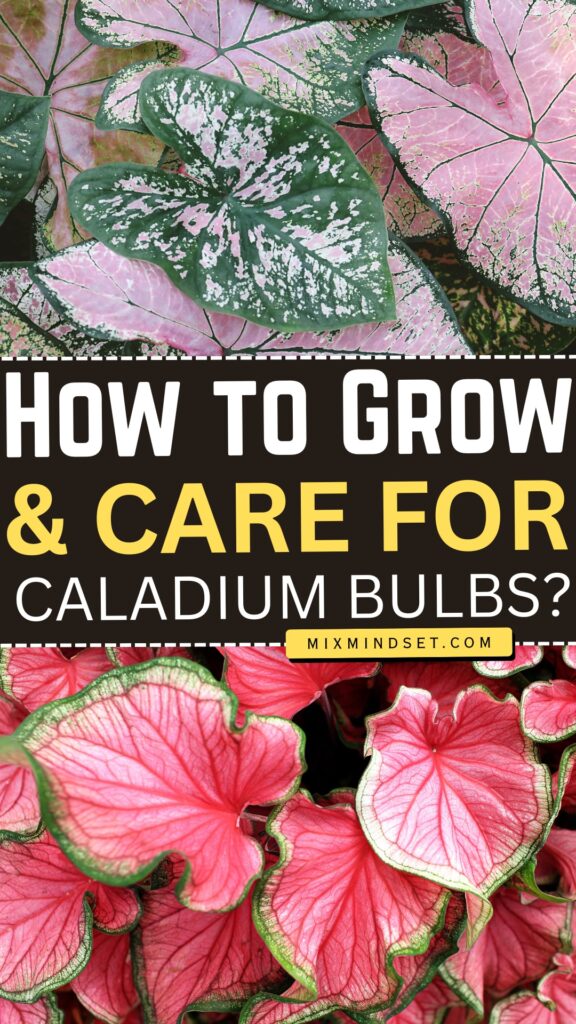
I will never forget the first time I tried growing caladiums. I bought a bag of mixed bulbs from a big-box store, planted them in what I thought was a nice, sunny spot, and watered them diligently.
Nothing happened for weeks. When they finally emerged, the leaves were small and pale. I was so disappointed. It took me a few seasons of trial and error to realize my mistake: I had planted them too early in cold soil and in the wrong spot.
Once I learned what they actually needed, my caladiums became the showstoppers of my shady garden beds. Now I want to share everything I’ve learned so you can have the same success.
Caladiums 101: A Quick Overview
Before we get into the details, here is a quick snapshot of what you are getting into.
Choosing the Right Bulbs
The quality of your bulbs makes a big difference. Here is what I look for when I am shopping.
What to look for:
- Firm bulbs. When you gently squeeze the bulb, it should feel firm but not brittle.
- No mushy or slimy spots. These are signs of a dead or rotting bulb.
- Larger bulbs produce bigger plants. Caladium bulbs are graded by size. Bigger bulbs (Jumbo or #1) produce more foliage.
- Mixed bags from big-box stores are often smaller #2 bulbs. They will still grow, but they may not be as full.
Knobby side up: Caladium bulbs have knobby protrusions called “eyes.” To get a faster sprouting time, plant the bulb with the knobby side facing up. It will sprout no matter which direction you plant it, but this gives it a head start.
When to Plant Caladium Bulbs
Caladiums are warm-weather lovers. Planting too early is the most common mistake I see.
The simple rule: Wait until the soil temperature reaches at least 65°F (18°C) before planting outdoors. In most areas, this is about three weeks after your last frost date.
If you are eager to get started:
- You can start bulbs indoors 4 to 6 weeks before planting time.
- Plant them in containers with light potting mix and keep them in a warm, bright spot indoors.
- Move them outside once the soil temperature has stabilized.
Where to Plant Caladiums
Getting the location right is key to vibrant foliage. The old rule was that caladiums only grow in deep shade, but that is not entirely true anymore.
The basic rule: Most caladiums thrive in partial shade or filtered sunlight. In the garden, they are perfect for brightening up shady corners and under trees.
What happens in different light:
Watch for sunburn: If your caladium leaves develop brown-edged holes, they are getting too much sun.
How to Plant Caladium Bulbs
Planting caladiums is straightforward. Here is my step-by-step routine.
Step 1: Prepare the soil. Caladiums like rich, well-drained soil with plenty of organic matter. Amend your garden soil with compost. For containers, use a loose, airy mix like two parts peat or coco coir-based potting mix blended with one part perlite and a small amount of compost.
Step 2: Dig holes. Plant the bulbs 1½ to 2 inches deep. Do not plant them too deep, or they will take longer to sprout.
Step 3: Space them properly. Space bulbs 6 to 12 inches apart, depending on their size.
Step 4: Plant knobby side up. Place the bulb with the knobby side (the “eyes”) facing up.
Step 5: Water well. After planting, water thoroughly.
Caladium Care: Watering, Fertilizing, and More
Once your caladiums are in the ground, consistent care keeps them looking their best.
💧 Watering
Keep the soil evenly moist but not waterlogged. Soggy soil leads to bulb rot.
How to check: Water when the top inch of soil feels dry. Indoors, this often means watering when the potting mix dries slightly but never letting it stay soggy.
Important: Once the leaves begin to yellow in fall, cut down on watering. Stop watering completely when the foliage dies back.
🌿 Fertilizing
Caladiums respond well to regular feeding, but they do not need a lot of fertilizer.
How to fertilize:
- Use a balanced, dilute liquid fertilizer once a month during active growth.
- For indoor plants, use a half-strength dose every 3 to 4 weeks.
- Avoid too-strong fertilizer—it can burn the leaves.
✂️ Pruning and Maintenance
Remove damaged or dead leaves every 2 to 3 weeks. This keeps the plant looking tidy and healthy. Dispose of discarded foliage away from the plant to reduce disease carryover.
🐛 Pests and Diseases
Caladiums are hardy plants that seldom encounter pest or disease issues when grown in the right conditions. Watch out for snails, slugs, or occasional fungal spots, and improve air circulation if needed.
Growing Caladiums as Houseplants
Caladiums adapt very well to indoor growing. Here is how I care for mine inside.
- Light: Place pots where they receive bright, indirect light—an east or north window or a few feet back from a south or west window is ideal.
- Temperature: Maintain warm temperatures between 60–70°F.
- Humidity: Caladiums thrive in high humidity. Set pots on pebble trays or use a room humidifier.
- Rotation: Rotate containers every couple of weeks for even growth.
How to Store Caladium Bulbs Over Winter
Caladiums are tropical perennials. They will not survive freezing temperatures. Here is how I store my bulbs to replant next year.
Step 1: Dig up the bulbs. Dig up the bulbs before the first frost is predicted.
Step 2: Dry the bulbs. Shake off excess soil and let the bulbs dry for a few days in a warm spot out of direct sunlight.
Step 3: Cut back the foliage. After the foliage turns yellow and brittle, cut it back.
Step 4: Store the bulbs. Store the bulbs in peat moss or vermiculite. Place them in a cool, dry location where temperatures stay around 55–60°F.
Step 5: Check them monthly. Check the bulbs at least once a month and remove any that show signs of rotting.
Replant in spring: Plant the bulbs again in spring once the soil temperature reaches 65°F.
Quick Reference Table
| Task | What to Do | When |
|---|---|---|
| Plant bulbs | 1½ to 2 inches deep, 6-12 inches apart, knobby side up | When soil temp reaches 65°F |
| Water | Keep soil evenly moist. Water when top inch is dry | Growing season |
| Fertilize | Use balanced, dilute liquid fertilizer | Monthly during active growth |
| Prune | Remove damaged or dead leaves | Every 2-3 weeks |
| Stop watering | Cut down on water when leaves begin to yellow | Late summer/fall |
| Dig up bulbs | Dig up before first frost | Fall |
| Dry bulbs | Let dry for a few days in a warm spot | After digging |
| Store bulbs | Store in peat moss or vermiculite at 55-60°F | Winter |
| Replant | Plant again when soil reaches 65°F | Spring |
My Personal Caladium Routine
Here is what I actually do in my garden. You can copy this.
Spring:
- I wait until the soil is warm before planting. I check the temperature with a soil thermometer.
- I plant my bulbs about 2 inches deep and 8 inches apart.
- I water them well and keep the soil moist.
Summer:
- I water when the top inch of soil is dry.
- I fertilize once a month with a balanced liquid fertilizer.
- I remove any damaged leaves.
Fall:
- I stop watering when the leaves start to yellow.
- I dig up the bulbs before the first frost.
- I dry them for a few days and store them in peat moss in my basement.
Winter:
- I check my stored bulbs once a month and remove any that are rotting.
Since I started doing this, my caladiums have come back stronger every year. They are one of my favorite plants to grow.
The Bottom Line
Caladiums are not as hard to grow as they look. The key is warm soil, consistent moisture, and the right light. Plant them in rich, well-drained soil, keep them evenly moist, and give them a little fertilizer during the growing season. With the right care, they will reward you with stunning, colorful foliage that brightens up any shady corner.
I used to think caladiums were too fussy for my garden. Now I know they just need a few simple things to thrive. Your garden can be filled with these tropical beauties too. Follow these steps and enjoy the show.