How to Make Smoked Salmon?
The journey from a fresh salmon fillet to a beautifully smoked delicacy is a rewarding one. Whether you envision silky slices on a bagel or flaky, warm morsels on a salad, that distinctive smoky flavour is pure magic.
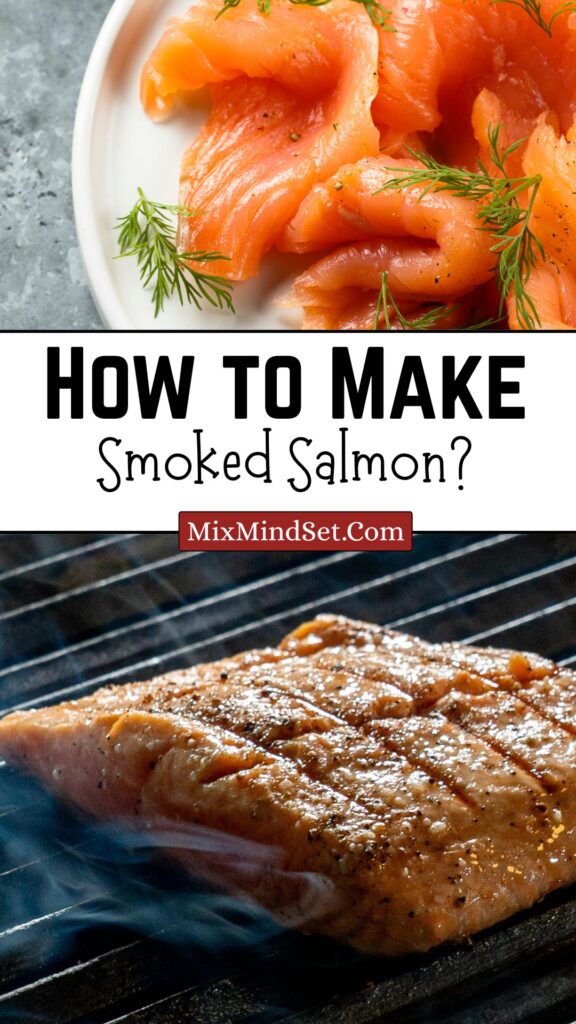
This guide provides two straightforward, halal-friendly paths to homemade smoked salmon: the iconic cold-smoked style and the simpler hot-smoked method.
We’ll walk through every step, from creating the perfect cure to achieving the ideal smoke. Let’s begin.
Why Make Your Own Smoked Salmon?
This impressive dish is more accessible than you think. Taking control of the process means you can craft a product that is healthier, more flavourful, and tailored exactly to your tastes.
- Flavour & Freshness: Homemade smoked salmon is infinitely fresher than most store-bought options. You can customise the brine and choose your favourite smoking wood to create a signature flavour.
- Health & Quality Control: By making it yourself, you avoid preservatives, excess sodium, and artificial colours. You also choose the quality of the fish, making it a healthier choice.
- Cost-Effective: Smoked salmon is often expensive. Making a large batch at home is a fraction of the cost per pound, especially when you buy salmon on sale.
- Impressively Homemade: Mastering this skill is a true culinary achievement. It feels incredibly rewarding to serve friends and family something you’ve crafted yourself.
The Foundation: The Salt Cure
The first and most critical step for both cold and hot smoking is the salt cure. This is non-negotiable and serves several vital functions.
The Three Reasons for Curing
- Preservation: Salt reduces the water activity in the fish. This is especially critical for cold-smoked salmon, which never reaches cooking temperatures. The cure inhibits the growth of harmful bacteria, making the process safe.
- Texture: The salt partially denatures the proteins in the fish, creating a firm, silky, and compact texture. This “cooks” the salmon without heat, making it easy to slice into those beautiful, thin, translucent pieces after cold smoking.
- Flavour: The balance of salt and sugar counteracts any potential bitterness from the smoke, enhances the salmon’s natural richness, and forms the foundation of the final flavour.
Ingredients for the Cure
Here is a balanced, basic brine recipe suitable for both methods. This amount is perfect for curing about 1 kg (2 lbs) of salmon.
Step-by-Step Curing Process
- Prepare the Salmon: Run your fingers gently over the salmon fillet to find any pin bones. Use a pair of clean tweezers or needle-nose pliers to pull them out straight along the angle they enter the fish. Pat the fillet completely dry with paper towels.
- Apply the Cure: In a small bowl, mix all the dry cure ingredients. Spread about one-third of the mixture on the bottom of a non-reactive dish (glass or ceramic). Lay the salmon fillet on top, skin-side down. Pack the rest of the cure mixture firmly on top of the exposed flesh. Wrap the entire dish tightly with plastic wrap.
- Weigh It Down: Place a cutting board or another flat, heavy object on top of the wrapped salmon. Add weight on top of this (e.g., a few heavy cans or a bag of sugar). This forces constant contact between the salt mixture and the fish, speeding up the curing process.
- Cure in the Fridge: Cure the salmon for 8 to 24 hours in the refrigerator. A good rule of thumb:
- Rinse and Dry: Remove the salmon from the dish and rinse it thoroughly under cold running water. You must scrub off all traces of the cure with your fingers to ensure it’s not overly salty. Pat the fillet very, very dry with paper towels.
The Secret to Smoke Adhesion: Forming the Pellicle
After curing and rinsing, the salmon is saturated with water. If you put it straight into the smoker, the smoke will simply roll right off the wet surface. This is why we must form a pellicle.
A pellicle is a tacky, slightly glossy, protein-rich film that forms on the surface of the fish as it dries. This layer is what the smoke will “stick” to, resulting in a deeper, more complex flavour. It also acts as a protective barrier, locking in moisture.
How to Create the Perfect Pellicle
- Place the rinsed and patted-dry salmon on a wire rack set over a baking sheet.
- Put the rack, uncovered, into the refrigerator. Allow it to sit for 2 to 12 hours. The ideal pellicle will feel slightly tacky and dry to the touch, not wet or slimy. For truly premium results, leaving it overnight is the best practice.
Once the pellicle has formed, your salmon is finally ready for the smoker.
Understanding Your Options: Cold vs. Hot Smoking
It’s time to explore the two main methods. Cold smoking produces the classic, silky delicacy, while hot smoking yields a cooked, flaky dish. The table below outlines their key differences.
| Aspect | Cold Smoking | Hot Smoking |
|---|---|---|
| Final Product | Silky, raw‑like texture; delicate flavor | Flaky, cooked texture; robust, intense smoke flavor |
| Smoking Temperature | 55°F – 85°F (13°C – 30°C) | 165°F – 200°F (74°C – 93°C) |
| Smoking Duration | 8 – 24 hours | 1 – 4 hours |
| Equipment Needed | Cold smoke generator or a specially lit offset smoker to keep heat low | Standard smoker, grill, or oven with smoking setup |
| Best for… | Bagels, canapés, elegant hors d’oeuvres. | Warm salads, pastas, or as a main course. |
How to Hot Smoke Salmon (Cooked, Flaky, and Full of Flavour)
This is the easiest and most accessible method for home cooks. We’ll smoke the fish at a higher temperature, which fully cooks it while infusing it with a rich smoky flavour.
Method 1 (All-Purpose): Using A Smoker or Grill
Step 1: Prepare Your Smoker.
Preheat your smoker or a standard kettle grill to a steady 165°F – 200°F (74°C – 93°C). You’ll be using indirect heat.
Step 2: Add Smoking Wood.
For a classic flavour with salmon, use alder or apple wood chips. These provide a mild, sweet, and fruity smoke that doesn’t overpower the delicate fish.
- Soak your wood chips in water for 30-60 minutes before smoking to ensure they smoulder and produce smoke rather than burn up in flames. Drain them just before adding to the coals or smoker box.
Step 3: Place the Salmon.
Place your salmon fillet (with the pellicle formed) directly on the smoker grates, skin-side down.
Step 4: Smoke to Temperature.
Smoke the salmon until its internal temperature, measured at the thickest part, reaches 145°F (63°C). This is the minimum safe cooking temperature for fish. Depending on the thickness and your smoker’s consistency, this will take about 2-4 hours. A reliable instant-read thermometer is your best friend for this.
Step 5: Rest and Enjoy.
Remove the salmon from the smoker and let it rest for 5-10 minutes. It can be served warm or at room temperature.
Method 2 (No Smoker): Oven-Smoked Salmon
No smoker? No problem. You can create a similar result using a standard oven and wood chips.
Step 1: Create a Smoking Pouch.
Soak 2 cups of wood chips in water for 30 minutes. Drain the chips, then wrap them loosely in a double layer of heavy-duty aluminium foil. Pierce the top of the foil pouch with a fork to allow the smoke to escape.
Step 2: Position the Pouch.
Place the foil pouch directly on the bottom of your oven or on the lowest rack. Place a baking sheet on the rack above it.
Step 3: “Smoke” the Salmon.
Place the foil packet in the oven and set the temperature to 200°F (93°C). Once the chips begin to smoke (about 5-10 minutes), place the prepared salmon fillet on the preheated baking sheet.
Step 4: Bake Until Done.
Bake the salmon until it reaches an internal temperature of 145°F (63°C), which will take roughly 30-40 minutes. The goal is low and slow to maximise smoke absorption.
💡 Pro tip: If you own an electric pressure cooker or Instant Pot, you can also use the “smoking” function with wood chips for a faster, more contained method.
How to Cold Smoke Salmon (Silky, Classic Delicacy)
This method requires more specific equipment to keep temperatures low, but the results are truly special. Remember, because the fish is never fully cooked, the salt cure is crucial for safety.
Step 1: Choose Your Cold Smoke Setup.
You’ll need a way to generate smoke without generating too much heat. This is best done with:
- A cold smoke generator attachment for your smoker.
- A “mailbox mod” for a pellet grill, where the smoke generator is housed separately from the cooking chamber.
- A makeshift setup where a small amount of wood chips smoulder in a separate, cool container, and the smoke is piped into a closed chamber holding the salmon.
Step 2: Prepare the Salmon.
Your salmon must be fully cured and have a well-developed pellicle (tacky surface).
Step 3: Apply the Cold Smoke.
Place the prepared salmon in the smoking chamber, ensuring the temperature never exceeds 85°F (30°C). Create a thin, steady stream of smoke.
Apply smoke for 8-24 hours, depending on the level of smokiness you desire. Lower and slower is generally better for developing a smooth flavour.
Step 4: Rest the Salmon.
Once done, remove the cold-smoked salmon and let it “rest” in the refrigerator, uncovered, for a few hours to allow the smoky flavour to mellow and distribute evenly.
❗Important Safety Note: Cold-smoked salmon is not fully cooked. It relies entirely on the salt cure and smoke for preservation. To ensure it’s safe for consumption, use the highest quality, freshest salmon, follow the curing instructions precisely, and maintain very low temperatures throughout the smoking process.
How to Serve Your Homemade Smoked Salmon
The possibilities are as delicious as they are endless.
- On a Bagel: The classic. Serve with cream cheese, capers, thinly sliced red onions, fresh dill, and a squeeze of lemon.
- Salads & Bowls: Flake hot-smoked salmon over a bed of greens, a quinoa bowl, or a Nicoise salad for a protein-packed meal.
- Appetisers: Serve slices of cold-smoked salmon on crackers or cucumber rounds with a dollop of crème fraîche and some fresh dill.
- Pasta & Eggs: Fold hot-smoked salmon into a creamy pasta sauce or scrambled eggs for an elegant breakfast or dinner.
How to Store Your Smoked Salmon?
| Type | Storage | Duration |
|---|---|---|
| Cold-Smoked Salmon | Refrigerated, tightly wrapped | 1 – 2 weeks |
| Hot-Smoked Salmon | Refrigerated, tightly wrapped | 1 – 2 weeks |
| Both Types | Vacuum-sealed, frozen | 2 – 3 months |
Frequently Asked Questions
Is it safe to smoke salmon at home?
Yes, it’s perfectly safe if you follow key safety steps. Use the freshest salmon, cure it properly with salt (especially for cold-smoked), ensure your smoker maintains a safe temperature, and for hot smoking, always cook the fish to an internal temperature of 145°F.
Is all smoked salmon halal?
Yes, smoked salmon is generally considered halal. The process simply involves curing and smoking the fish, and all the ingredients (salt, sugar, wood) are halal. The only thing to ensure is that any flavourings or glazes you use in your brine do not contain alcohol or any other non-halal substances.
Can I cold smoke salmon without a special generator?
Yes, but it’s trickier. You can use a “snake method” in a charcoal kettle grill: arrange a small line of unlit coals and wood chips. Light just one end; it will burn very slowly, producing smoke for hours with minimal heat. Always monitor the temperature.
Why is my smoked salmon mushy or slimy?
A mushy texture is a sign of improper curing or smoking. This can happen if the salt level was too low, the temperature was too high and cooked the fish unevenly, or the pellicle was not allowed to form fully before smoking.
Nutritional Information (Per 3 oz / 85g Serving)
Values are an estimate and can vary based on the specific ingredients and method used.
| Nutrient | Amount |
|---|---|
| Calories | 150 – 180 |
| Protein | 18 – 22 g |
| Fat | 7 – 12 g |
| Omega-3 Fatty Acids | 1 – 2 g |
| Sodium | 500 – 800 mg |
Conclusion
Perfecting how to make smoked salmon at home is a journey filled with delicious rewards. It begins with the simple, foundational steps of a perfect cure and the formation of a tacky pellicle. From there, the choice is yours: will you pursue the silky elegance of cold smoking or the robust, cooked satisfaction of the hot method?
Once you taste your own beautiful slices, you’ll understand the true magic. You’ll have mastered a craft that lets you serve friends and family something truly special, made entirely from scratch.
Now go build that smoke.
— Fatima