The 7 Most Effective Essential Oils Against Bed Bugs
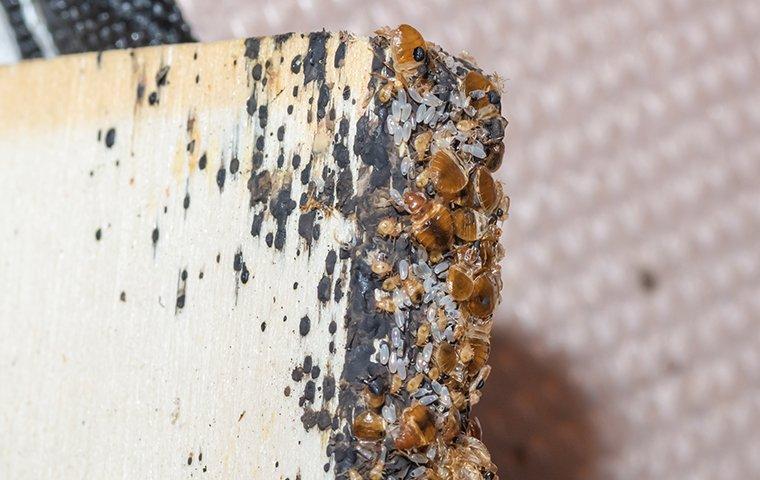
Bed bugs are undoubtedly one of the worst pests we can have in our homes because they reproduce very quickly and cause bites that often prevent us from getting a good night’s sleep.
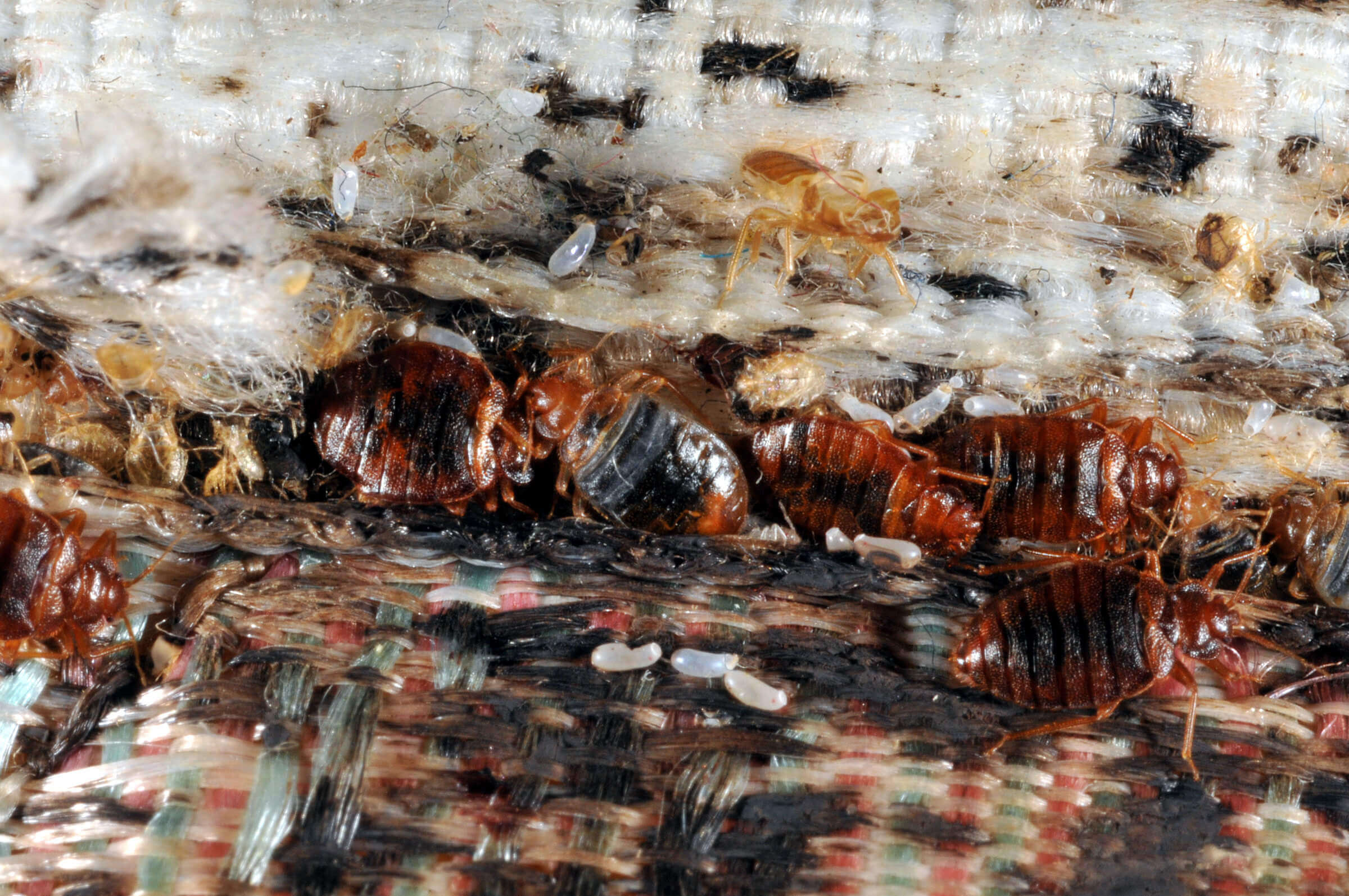
That’s why it’s important to address them at the first signs of their appearance, because otherwise they can quickly become a plague. And it’s precisely in their early stages that we can prevent them from reproducing by using natural remedies to reduce the use of chemicals.
That’s why today we’re bringing you a little-known option for combating bed bugs: the use of essential oils, particularly one that usually has excellent results if used when the infestation is just beginning.
Lavender Oil (Highly Recommended)

This is lavender oil, which is known to help repel bed bugs due to its strong aroma and natural chemical compounds, such as linalool, which act as a natural repellent for certain insects.
This compound has toxic properties for many parasites and small pests, including the ability to disrupt their nervous system.
Furthermore, the strong scent of lavender can disorient or bother bed bugs, causing them to avoid areas treated with this oil. While not a definitive method for eliminating infestations, its use can complement other control strategies by keeping these insects away and is often effective, primarily as a preventative measure or in cases of low infestation.
How to use lavender oil to repel bed bugs?
Lavender oil can be used as a natural bed bug repellent, especially in mild cases or as a preventative measure. To use it effectively, follow these steps:
- To prepare a lavender oil solution: Mix 10 to 15 drops of lavender essential oil with a cup of water in a spray bottle. Add a few drops of alcohol if you wish to enhance the mixture, as it helps it dry faster on surfaces.
- Spray the affected areas: Spray the mixture in places where bed bugs tend to hide, such as mattresses, cracks in furniture, sofa seams, baseboards, and room corners. Make sure to cover all areas where they might take refuge.
- Using the oil directly (for specific infestations): Apply a few drops of pure oil to cracks or small spaces that may serve as bed bug nests. This is useful for reinforcing the effect in hard-to-reach areas.
- Wash clothes and textiles with lavender: Add a few drops of lavender oil to the detergent or use a lavender-scented fabric softener when washing sheets, pillowcases, blankets, and any textiles that may have been in contact with bed bugs.
- Refresh frequently: Repeat application regularly, especially after cleaning or washing the treated areas.
Oils that can be used to repel bed bugs
In addition to lavender oil, there are other essential oils also known for their ability to repel bed bugs due to their repellent and toxic properties. The most effective ones, which you can use following the same method as with lavender, are the following:
- Tea tree oil: Contains terpenes with insecticidal properties that can repel and disrupt the nervous system of bed bugs. Mix with water and spray in infested areas.
- Peppermint oil: Rich in menthol, it helps repel bed bugs and other insects due to its strong aroma and toxic effect in small doses.
- Citronella oil: A well-known natural repellent, its powerful scent acts as a barrier to bed bugs, keeping them away from treated areas.
- Clove oil: Contains eugenol, a compound that is toxic to bed bugs and other insects. It can be mixed with water for application.
- Eucalyptus oil: Its penetrating smell and active compounds make it an effective bed bug repellent.
- Neem oil: It has insecticidal properties that interfere with the growth and reproduction of bed bugs, as well as repelling them.