12 Herbs You Can Grow Without Any Soil
Grow fresh, flavorful herbs without a single speck of dirt. This beginner-friendly guide covers 12 herbs that thrive in water, from basil to mint, with simple tips for a soil-free indoor garden. #HydroponicHerbs #GrowWithoutSoil #IndoorGardening #KitchenGarden #WaterPlants

I used to think you needed a big backyard and a pile of soil to grow your own herbs. Then I tried growing basil in a jar of water on my kitchen windowsill.
Within a week, tiny white roots appeared, and I was hooked. No mess, no weeding, no bags of potting soil. Just fresh herbs whenever I needed them.
If you have a jar, some water, and a sunny spot, you can do this too. Here are 12 herbs that grow beautifully without soil, plus everything you need to get started.
Why Grow Herbs in Water?
Growing herbs without soil is called hydroponic gardening. Instead of soil, the roots sit in nutrient-rich water and get everything they need to grow. This method has some big advantages:
- No mess. No dirt spills on your counter.
- Less space. A few jars on a windowsill are all you need.
- Fewer pests. Soil-borne bugs and diseases are not a problem.
- Year-round harvest. You can grow herbs in any season.
- Faster growth. Herbs can grow faster in water than in soil because they have direct access to moisture and nutrients.
What You Will Need
Getting started is incredibly simple. Here is the basic shopping list:
12 Herbs That Grow Without Soil
Here are 12 herbs that adapt well to water, along with tips for growing each one.
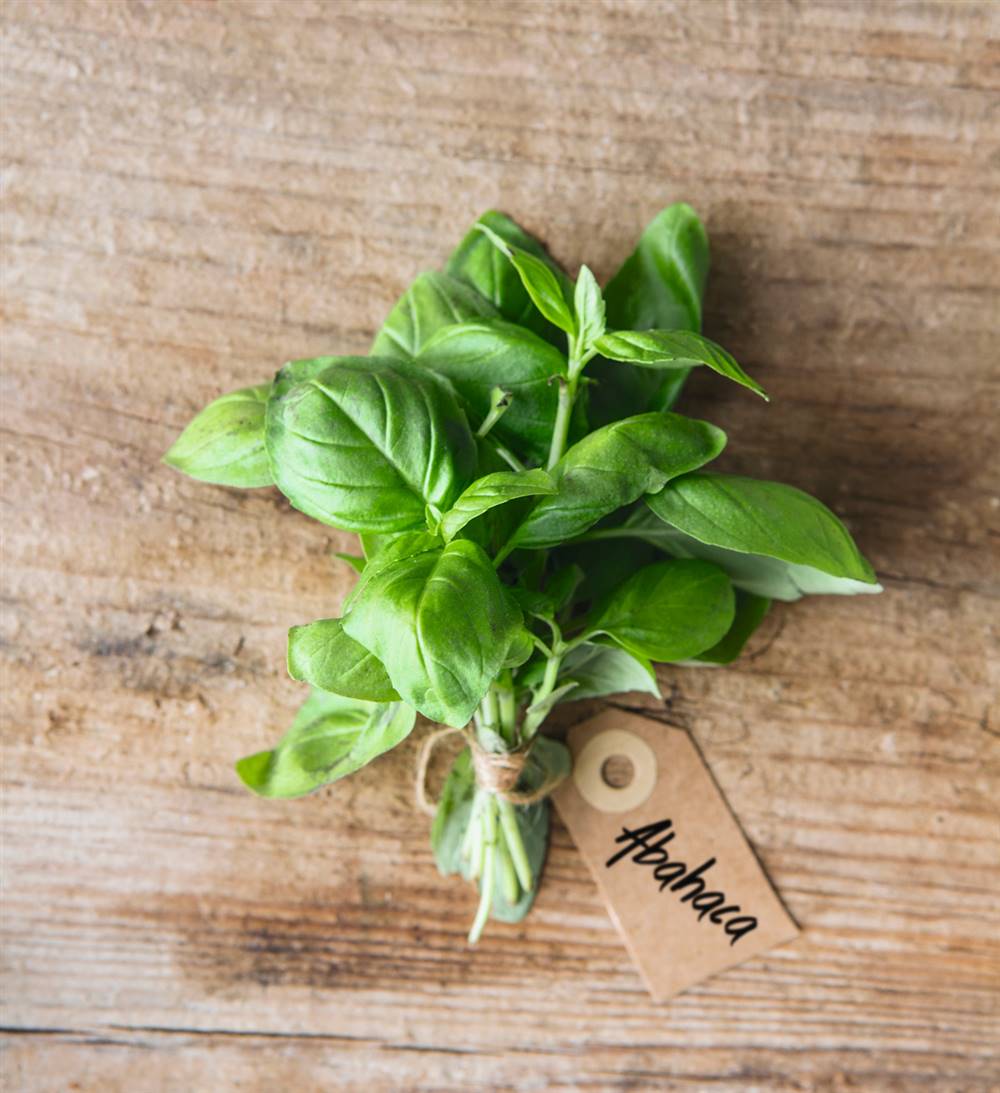
1. Basil
Basil is one of the easiest herbs to grow in water. It roots quickly and thrives on a sunny windowsill.
How to grow it: Take a 4-inch cutting just below a leaf node. Remove the lower leaves and place the stem in water.
Light needs: 6 to 8 hours of direct sunlight daily.
Uses: Pasta, pesto, salads, and sauces.
2. Mint
Mint is a fast-growing, resilient herb that adapts easily to water. It practically grows itself.
How to grow it: Place a 4-5 inch cutting in water, keeping the lower leaves submerged.
Light needs: Prefers indirect sunlight. Can tolerate partial shade.
Uses: Teas, mojitos, desserts, and garnishes.
3. Rosemary
Rosemary has woody stems and can last for months in water with minimal effort.
How to grow it: Trim a 6-inch stem, remove the lower leaves, and place it in water. Refresh the water weekly.
Light needs: Full sunlight is best.
Uses: Roasted dishes, marinades, and breads.
4. Oregano
Oregano is a Mediterranean staple that is easy to grow and adds depth to many meals.
How to grow it: Use a 4-inch stem and change the water every 3-4 days.
Light needs: Bright, indirect sunlight.
Uses: Sauces, pizzas, and seasoning meats.
5. Thyme
Thyme brings a gentle aroma to a variety of recipes.
How to grow it: Put a 5-inch cutting in water, keeping the leaves above the waterline.
Light needs: About 6 hours of bright light daily.
Uses: Soups, stews, and roasted vegetables.
6. Lemon Balm
Lemon balm has a bright, lemony scent and is popular in teas and sweet dishes.
How to grow it: Place a 4-inch stem in water and refresh it every few days.
Light needs: Grows well in indirect sunlight.
Uses: Herbal teas, fruit salads, and desserts.
7. Sage
Sage offers a rich, earthy flavor and does well in water.
How to grow it: Use a 4-6 inch cutting and keep the leaves above the water. Change water weekly.
Light needs: Bright but indirect sunlight.
Uses: Poultry dishes, sauces, and stuffing.
8. Cilantro
Cilantro is fast-growing and flavorful, best when used fresh.
How to grow it: Submerge a fresh cutting in water and replace the water often.
Light needs: Thrives in indirect sunlight.
Uses: Salsa, tacos, and Asian-inspired dishes.
9. Chives
Chives are incredibly easy to manage and add a light onion taste to many dishes.
How to grow it: Trim a few chive stems and place them in water, changing it every few days.
Light needs: Bright, indirect sunlight.
Uses: Baked potatoes, eggs, and as a garnish.
10. Stevia
Stevia is a natural sweetener that makes a healthy sugar alternative.
How to grow it: Cut a stem and place it in fresh water, replacing it weekly.
Light needs: About 6 hours of sunlight daily.
Uses: Sweetening tea, coffee, or desserts.
11. Lavender
Lavender is known for its calming effects and beautiful fragrance.
How to grow it: Take a cutting and place it in water. It thrives in sunlight and fresh air.
Light needs: Plenty of sunlight.
Uses: Herbal tea, infused oils, and relaxation.
12. Marjoram
Marjoram is a slower-growing herb but does well indoors, especially in a sunny spot.
How to grow it: Place a cutting in water and give it plenty of light.
Light needs: Sunny spot.
Uses: Chicken, beef dishes, and infused oils.
How to Start: A Simple Step-by-Step Guide
Growing herbs in water is as easy as following these steps.
Step 1: Take a cutting. Using clean, sharp scissors, cut a 3- to 6-inch segment from a healthy herb plant. Make the cut just below a leaf node (the spot where a leaf meets the stem).
Step 2: Prepare the cutting. Remove the lower leaves so they don’t sit in the water. Leave just two or three leaves at the top.
Step 3: Place in water. Put the cutting in a glass jar or bottle filled with room-temperature water. Make sure the leaves stay above the waterline.
Step 4: Find a sunny spot. Place your jar on a sunny windowsill. Most herbs need at least 6 hours of light daily.
Step 5: Change the water regularly. Replace the water every 3 to 5 days to keep it fresh and prevent bacteria or algae from growing.
Step 6: Add nutrients (optional). For healthier, longer-lasting plants, add a few drops of hydroponic fertilizer to the water.
Tips for Success
- Start with healthy cuttings. Use stems from a vigorous plant for the best chance of rooting.
- Change water frequently. Stale water can lead to rot or algae. Changing it every few days keeps your herbs happy.
- Give them enough light. Most herbs need bright, indirect light or full sun to thrive.
- Watch for roots. Most herbs will start showing roots within a week or two. You can keep them in water indefinitely or transplant them to soil later.
- Harvest regularly. Snip leaves often to encourage bushier growth.
Quick Reference Table: 12 Herbs at a Glance
| Herb | Light Needs | Water Change | Best Uses |
|---|---|---|---|
| Basil | 6-8 hrs direct sun | Every 3-5 days | Pasta, pesto, salads |
| Mint | Indirect sun | Every 3-5 days | Teas, mojitos, desserts |
| Rosemary | Full sun | Weekly | Roasts, marinades |
| Oregano | Bright indirect | Every 3-4 days | Sauces, pizza, meats |
| Thyme | 6 hrs bright light | Every 3-5 days | Soups, stews, veggies |
| Lemon Balm | Indirect sun | Every few days | Teas, fruit salads |
| Sage | Bright indirect | Weekly | Poultry, stuffing |
| Cilantro | Indirect sun | Often | Salsa, tacos |
| Chives | Bright indirect | Every few days | Eggs, potatoes, garnish |
| Stevia | 6 hrs sunlight | Weekly | Sweetener |
| Lavender | Plenty of sun | Every 3-5 days | Tea, oils, relaxation |
| Marjoram | Sunny spot | Every 3-5 days | Chicken, beef dishes |
My Personal Herb Garden Journey
I started with a single basil cutting in a mason jar on my kitchen windowsill. I watched the roots grow day by day, and within two weeks, I had a thriving little plant. That first success gave me the confidence to try mint, then oregano, then rosemary. Now I have a row of jars on my windowsill, and I rarely buy fresh herbs from the store. It’s a small thing, but snipping fresh herbs from my own windowsill to add to dinner is one of the most satisfying parts of my day.
The Bottom Line
You don’t need soil to grow fresh herbs. Basil, mint, rosemary, oregano, thyme, lemon balm, sage, cilantro, chives, stevia, lavender, and marjoram all thrive in water. All you need is a jar, some water, a sunny windowsill, and a little patience. Change the water regularly, give them enough light, and you will have fresh herbs all year round.
I started with one jar of basil. Now I have a whole windowsill garden. You can do this too. Pick one herb from this list, grab a jar, and watch it grow.