How to Use Epsom Salt on Tomatoes?
Epsom salt can help tomato plants with a magnesium deficiency, but using it when it's not needed can cause more harm than good. This guide covers when to use it, how to apply it, and how to avoid common mistakes for healthier tomato plants. #TomatoGardening #EpsomSalt #VegetableGardening #GrowTomatoes #GardenTips
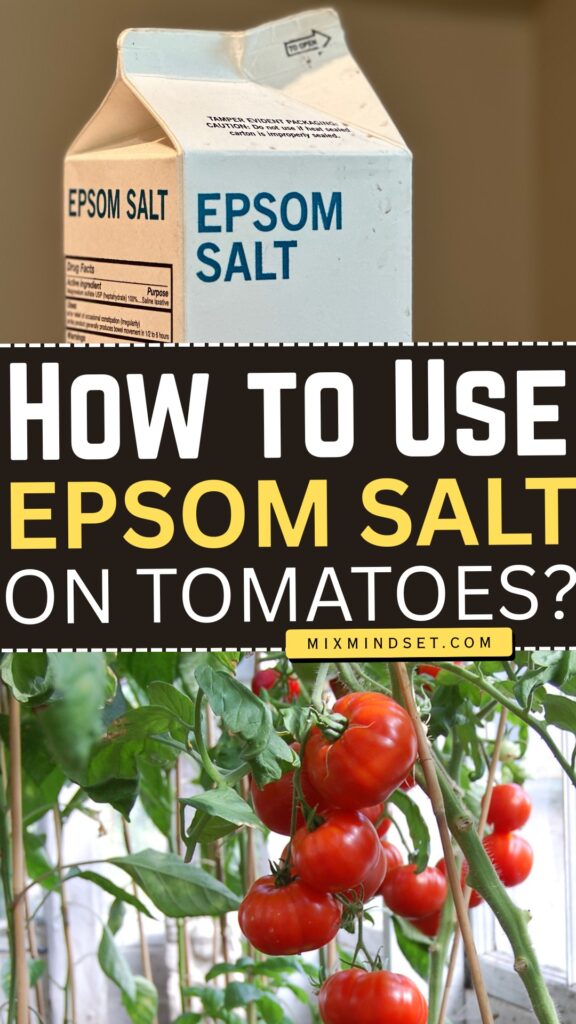
The first time I heard about using Epsom salt on tomatoes, I thought it was a miracle cure. I sprinkled it around all my plants, expecting huge, juicy tomatoes. Instead, my plants looked worse.
The leaves curled, and the fruit set was poor. I had no idea what I was doing wrong. Then I learned that Epsom salt is not a fertilizer. It is a specific mineral that only helps if your plant is missing it.
Using it when it is not needed can actually hurt your plants. Now I know exactly when and how to use it.
First, Does Your Plant Actually Need It?
The only time you should use Epsom salt is if your tomato plant is showing clear signs of a magnesium deficiency.
The main sign to look for: The leaves start turning yellow between the veins, while the veins themselves stay green. This usually shows up first on the older, lower leaves because the plant moves magnesium to new growth.
If you do not see these symptoms, your plant probably does not need Epsom salt. Adding it when it is not needed can disrupt the soil’s nutrient balance.
Important: Epsom salt does not prevent or cure blossom end rot. That is a calcium problem, not a magnesium one. Adding Epsom salt can actually make blossom end rot worse because magnesium and calcium compete for uptake in the plant.
How to Apply Epsom Salt (If You Need It)
If you have confirmed a magnesium deficiency, here are the two best ways to apply it.
Method 1: Soil Drench (Best for Roots)
Mix 1 tablespoon of Epsom salt into 1 gallon of water. Pour this solution around the base of the plant, not directly on the stem. This helps the roots absorb the magnesium.
How often: Every 4-6 weeks during the growing season.
Method 2: Foliar Spray (For Faster Absorption)
Mix 1 tablespoon of Epsom salt into 1 gallon of water and pour it into a spray bottle. Spray the solution directly onto the leaves, making sure to cover both the tops and undersides.
How often: 2-3 times every two weeks.
Important: Spray in the morning or on a cloudy day to avoid leaf burn. Foliar sprays can sometimes scorch leaves, so always start with a light application.
Method 3: At Planting Time
Mix 1 to 2 tablespoons of Epsom salt into the planting hole before you put the tomato seedling in. This gives the plant a small boost of magnesium from the start.
How Much to Use
| Application Method | Amount | How Often |
|---|---|---|
| Soil Drench | 1 tablespoon per gallon of water | Every 4-6 weeks during the growing season |
| Foliar Spray | 1 tablespoon per gallon of water | 2-3 times every two weeks |
| At Planting | 1-2 tablespoons mixed into the planting hole | Once, at planting time |
Quick Reference Table
| Symptom | What It Means | What to Do |
|---|---|---|
| Yellow leaves with green veins (lower leaves) | Magnesium deficiency | Apply Epsom salt (soil drench or foliar spray) |
| Blossom end rot | Calcium deficiency | Do NOT use Epsom salt. Add calcium instead. |
| Dark green, healthy leaves | No deficiency | Do not use Epsom salt. |
| Yellowing all over | Various issues | Check watering, nutrients, and pests. Do not assume it is magnesium. |
Important Tips to Remember
| Do | Don’t |
|---|---|
| ✅ Test your soil first if you are unsure | ❌ Use Epsom salt “just in case” or as a routine fertilizer |
| ✅ Only use it if you see clear magnesium deficiency symptoms | ❌ Use it to treat blossom end rot—it can make it worse |
| ✅ Start with a small amount and increase if needed | ❌ Overdo it—too much magnesium can block calcium uptake |
| ✅ Water deeply after applying to help it soak in | ❌ Spray on hot, sunny days—it can burn the leaves |
The University of Minnesota Extension notes that Epsom salt can be harmful to soil, plants, and water if overused. Always use it sparingly and only when needed.
The Bottom Line
Epsom salt is a useful tool for correcting magnesium deficiency in tomato plants, but it is not a cure-all. Only use it if your plant shows yellowing between the leaf veins on lower leaves. If your plant looks healthy, leave it alone.
The best way to keep your tomatoes healthy is consistent watering, good soil, and proper fertilization. Epsom salt is just one small piece of the puzzle—not the whole picture.